Category: writing

Welcome to Spain…Blog #107

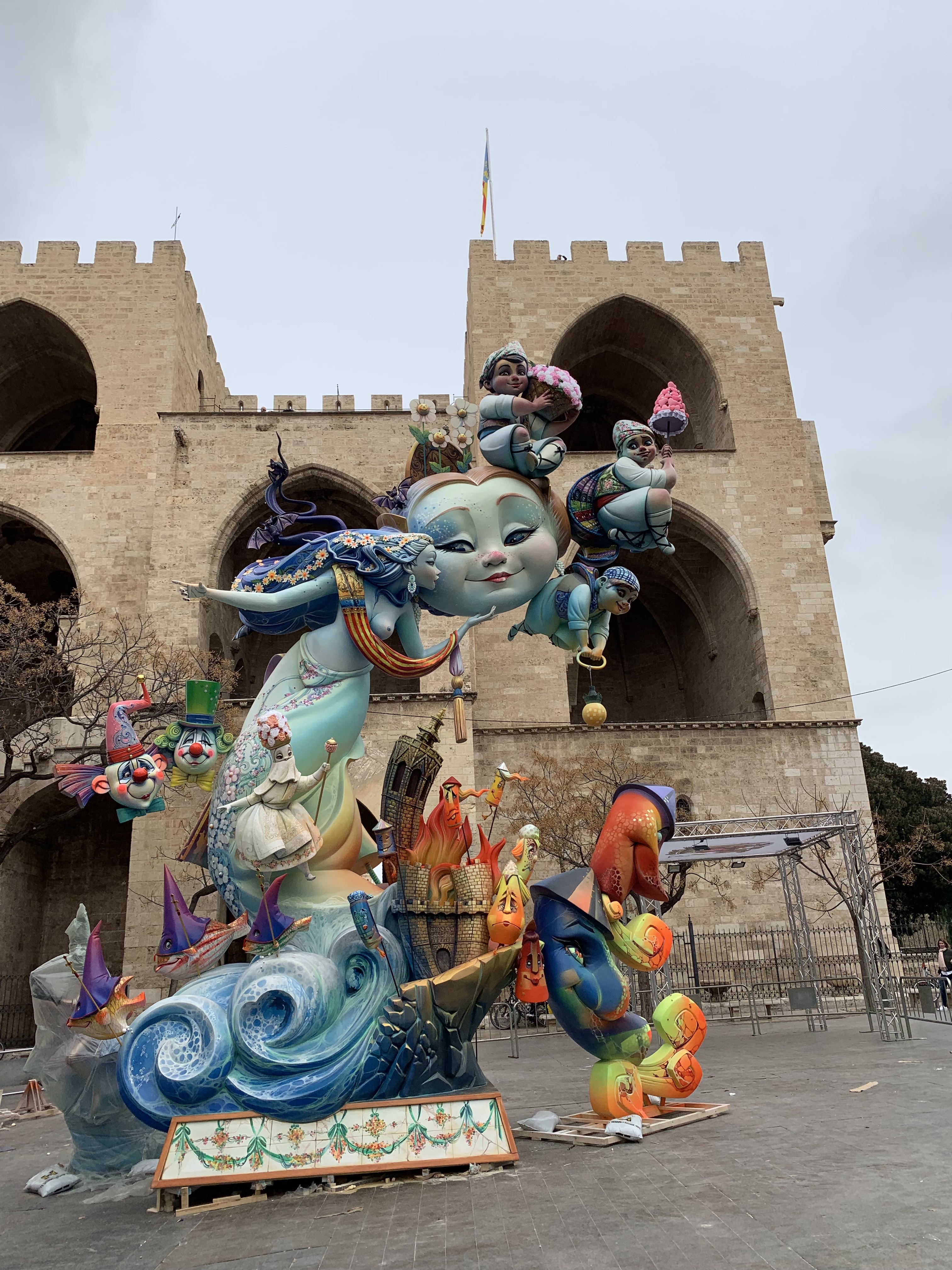
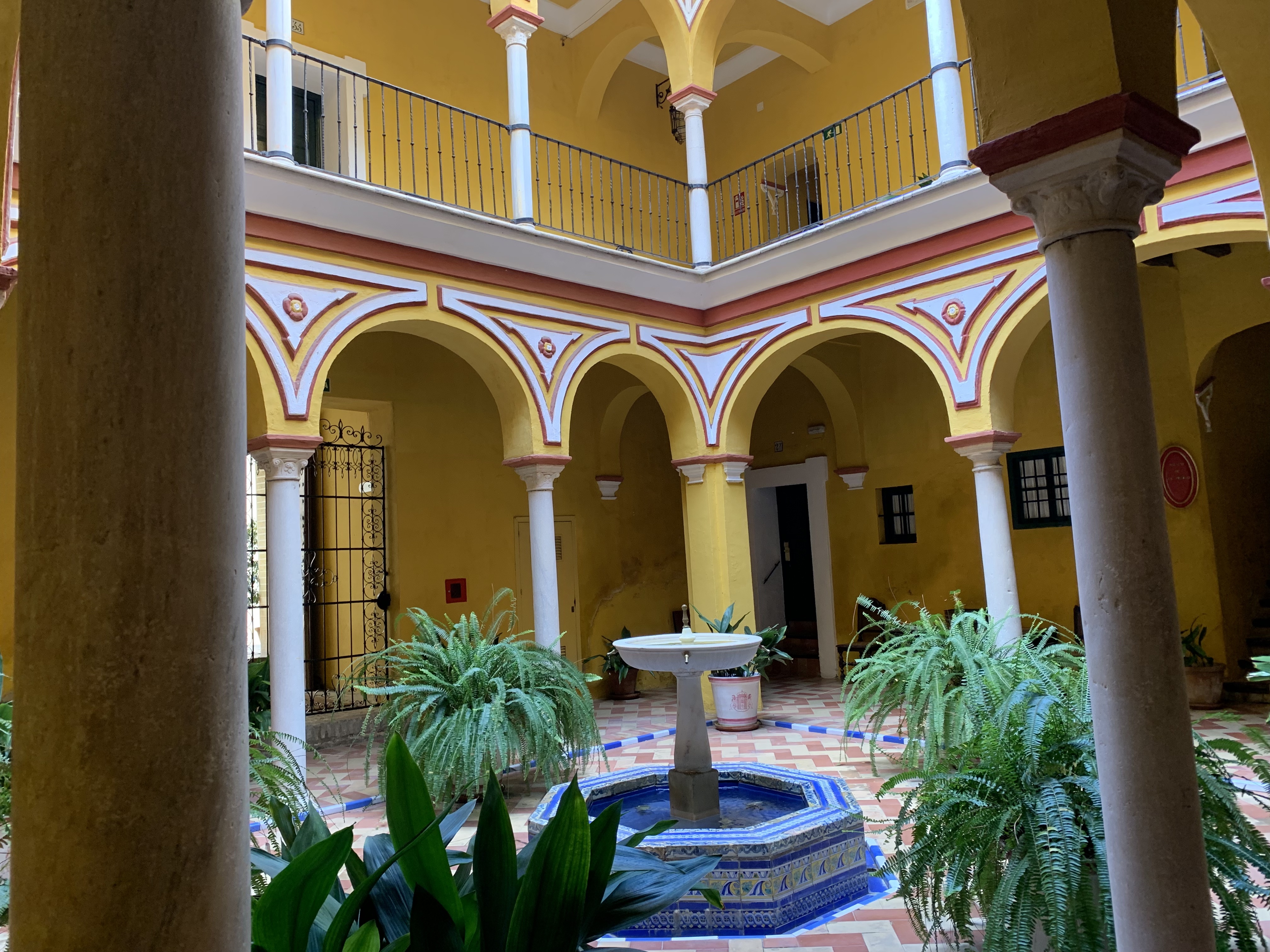
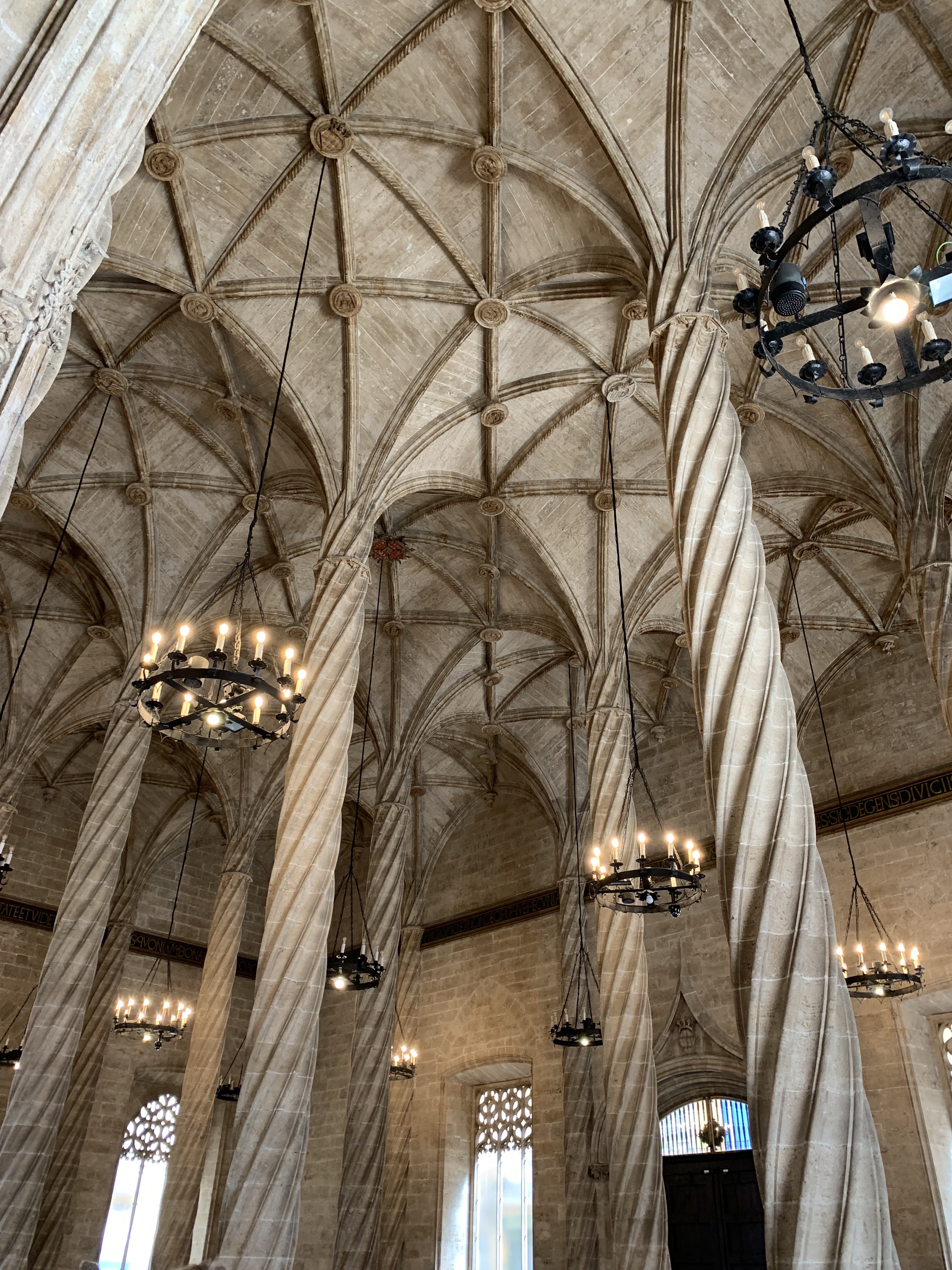
Seville, Spain

From the peaceful, natural beauty of Portugal’s Algarve to Spain’s 3rd largest city, Valencia. What a change! The Algarve provided rest for my soul and a visual buffet for my senses. Everywhere you turned there was another picture to take…and I did! I really do miss those views. (Check out past blogs for a glimpse of what I’m talking about.)

However, before coming to Valencia, many folks told us it was one of their favourite places to visit, and live. I never asked why. It’s on the Mediterranean Sea, how could it not be as spectacular as the Algarve’s coastline? It’s different…so different. We also set out on this trip to experience new cultures, but never did I expect the culture shock that hit once we arrived in Spain. But, I get ahead of myself.

Since leaving Albufeira just over a week ago, we drove to Seville, Spain, stayed for one night, drove to Torremolinos, stayed one night, and then drove to Valencia, all in a beast of a Mercedes Van! Now, those of you living in North America may not fully get the magnitude of this task…let me paint a picture for you.

Two Canadians, used to driving a small SUV, are driving a massive, seven person Mercedes Van in small, narrow, people laden streets of Old Town Seville, all the while depending on a GPS that keeps getting lost; this is not a task for the faint at heart! Infact, it is downright stressful. A fact to keep in mind, these narrow streets are one way only, so if you happen to miss the ‘obvious’ turn Siri is sure you need to take, the recalculations take so much time that you have also missed two or three more turns that should get you back to where you got lost in the first place! Once you have finally reached your destination there’s no place to park the ‘beast’. But…thank goodness, you spot a space that says something we decide to interpret as, ‘only park here if you are checking into the Hotel Las Casas de la Juderia’. We park, and nonchalauntly walk about 50 metres back to our hotel. (By the way, our interpretation was pretty accurate!). We got checked in, and took advantage of valet parking for an additional fee…money well spent I might add. The wonderful valet whisked our car away and helped us with our mega heavy luggage and medical supplies. 

A note about the hotel…it was amazing! The most unique one we have ever stayed in. Hotel Las Casas de la Juderia consists of 22 buildings that have been restored from the 18th century, all the while preserving its culture, furniture, and maze of hallways to navigate. Awesome! And, it is located right in the middle of Barrio Santa Cruz – Seville Old Town . We only had a short time to spend in this amazing town, so to make the most of it we did a bit of walking, had a wine and tapa break, engaged a horse drawn buggy to show us the sights, indulged ourselves with delicacies from a Patisserie, treated ourselves to a fantastic Flamenco Show, out for more tapas for dinner where we were serenaded by a talented young man while we FaceTimed our daughter back home, then collapsed into bed! Wow…it was all fantastic, but we had only scratched the surface of incredible place.

After a great buffet breakfast at the hotel, we were back in the beast, finding our way out of Old Town, through Seville, and on to Torremolinos. The terrain was beautiful, so varied and with an abundance of olive groves that spread out as far as the eye could see. It was pretty surreal when we started seeing directions for Africa as we approached Málaga. Africa will have to wait for another trip, another adventure.  

We finally made it to our destination where the GPS wrought havoc once more. When it says to turn right at the next turn, you figure it’s pretty safe to do so. Well, not when it is a dead end street that ends in an underground parking lot with no way to turn around without heading into the bowels of the parkade; a one floor, basement parkade, with maybe 15 parking spots fit for tiny cars and scooters. Not a Mercedes Van. Again, my husband’s driving skills were tested as I directed the inch by inch turnaround, inside the parkade, and back up the 12% grade, spiral type road to exit. (The exit was also the entrance…fortunately no other vehicles decided to enter while we were exiting). Phew! Nerves shot, pulse racing, marriage intact! GPS? No comment there!

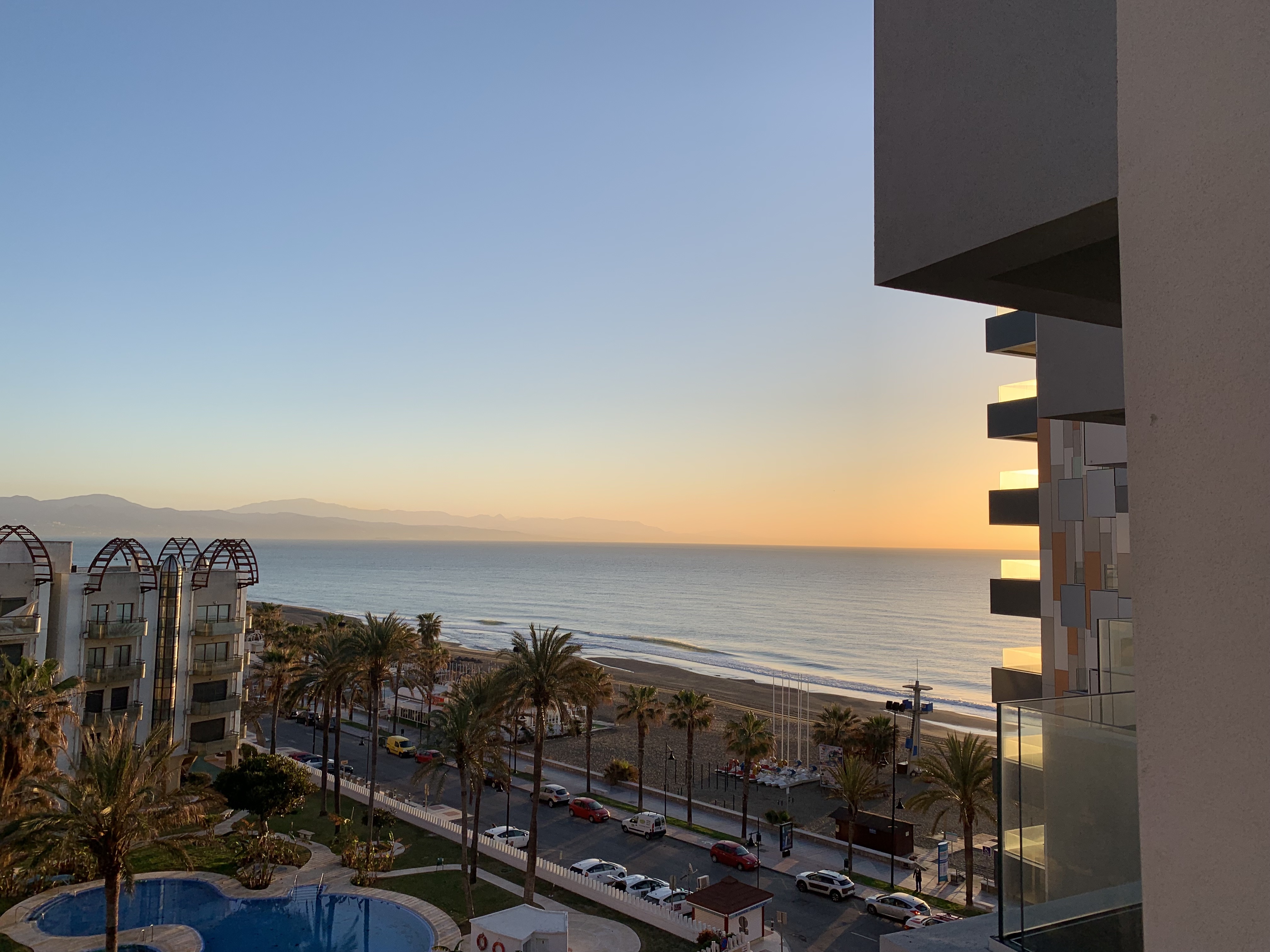
Torremolinos is on the Mediterranean Sea, but sadly the weather was dull, overcast, and windy, so it did not show off its enticing beauty. However, the next morning it redeemed itself as the view from our hotel balcony provided a front row seat to the sun coming up over the sea. Lovely!

After the most delectable breakfast I’ve ever devoured, champagne and all, we hopped in the van for a long drive to Valencia where more challenges, learning, adventures, and discoveries awaited us. 

You’ll have to wait until next blog to hear more about the culture shock we are experiencing, until then…

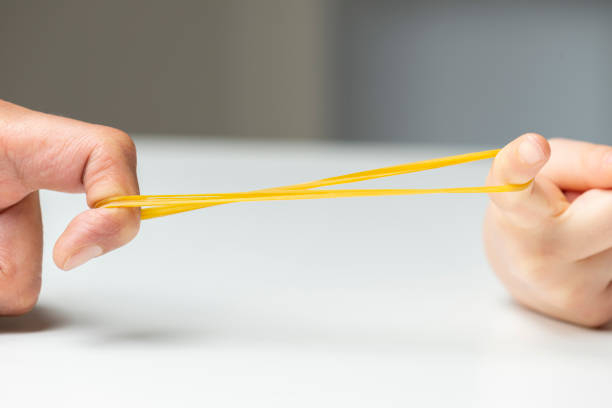
The rubber band snapped!…Blog #104

Still overwhelmed by such beauty!

Two more weeks in Albufeira, Portugal, before heading to Valencia, Spain. We are thoroughly enjoying, and appreciating, balmy 16-20 degree celsius weather, boasting azure skies, sometimes dotted with fluffy clouds, and the occasional refreshing rain. Most days start with breakfast on the deck, where we can look out between buildings and clearly see the ocean spread out before us. The background sounds combine the squawks of seagulls, sweet songs of various birds, people calling to each other on the street, or from their balconies, and vehicles manoeuvring through steep, winding streets. The morning routine of hanging laundry out to dry and walking your garbage to the end of the street is embraced by all. Mail is delivered by a CTT delivery person often driving a scooter, with parcels dropped off by the delivery van. Mid-morning see’s an elderly couple walk down the hill for their morning coffee, while several locals gather outside the cafe for a morning espresso and chat. All this from my office balcony perch on our 4th floor apartment.

View from ‘my’ table

Somedays I head to my favourite cafe, Roca Beach Bar, right on the beach. Not only is the coffee good, but the Pastéis de Nata are amazing, served warm with cinnamon to sprinkle on top. I’ve become a regular, and receive such a warm greeting each time, with a genuine ‘check-in’ to see how my work is going. They have even dubbed a table as being ‘your table’, one that welcomes me with a breath-taking view of the vast beach and ocean just steps away.

Then the inevitable thing happens. Around 17:00, the sun loses its warmth, and slowly slips from view, eventually causing the air to drop to single digit temperatures. I had no idea how cold it would be in the evenings here in the south of Portugal. Ok, not as cold as at home in Canada, but still cold. We learned that the buildings are constructed to provide cool in the blistering summer heat, but in no way equipped to warm their inhabitants during the winter. From white concrete walls, to beautifully tiled floors, summer efficiency doesn’t feel so great when trying to warm oneself while huddled around a fireplace. Sure, it does a great job of taking the chill off the air, but once you stray more than a few feet away from its blaze, the chill quickly wraps itself around you.

This is where the rubber band snapping comes in. Finding wood for a fire is easy here in Albufeira; you simply add it to the grocery list and pick up with your regular staples…oat milk, granola, eggs, fire starter, logs, firewood. Easy. Except these 9 kilos plus bundles are stacked in bins that require one to bend over, lift, twist, and drop into a shopping cart. I’ve been doing it successfully for 2½  months, until a few days ago. I have no idea what I did differently, except that my back decided enough was enough, and snap! Instant pain, instant ‘I can hardly move’, instant inconvenience! The shopping cart became my crutch until reaching the ‘comfort’ of our car.

With the aid of a heating pad, topical cream, Tylenol, and rest, I am well on my way to healing. The past few days, however, have made getting comfortable a real challenge. Sitting for too long hurts, lying down makes me ache, and walking has dropped a few gears to slow motion. However, even though I knew the bricks creating the footpaths had gaping cracks, the roads had many potholes, the stairs were totally uneven, and the walk to the beach was a downhill trek (not to mention the uphill return climb), the pain that shot through my back with each crack, dip, step, and hill, drew attention to these irregular surface conditions. Nothing changed about the footpaths, roads, or hills over the past few days, but my attention was drawn to them because something in my body had broken down, making it difficult for me to ‘make do’ with such uneven terrain. 

It got me thinking about life and work in general. When things are going well, when there are no new challenges that come along to disrupt the flow, we don’t pay much attention to problems or issues. Sure, they exist, but we work around them, we put up with them, until we can’t. Why is it that something, be it catastrophic or minor, has to happen before we give attention to those things that we can actually change in order to make life, systems, processes, or relationships better? Why do we settle for mediocrity when we could actually implement changes that just maybe, would bring growth and increased joy or efficiency to our personal and professional lives?

I obviously can’t do anything to change the surface conditions in Albufeira, nor can I change the building construction; however, my rubber band experience can serve as a reminder to pay attention to what I can change (yup, even how I lift). And more than that…do something to effect that change.

Culture: celebrating similarities & differences… Blog #102

Cliffs at Sagres

In my previous post, I expressed the hope that being in a place for four months (as we are in Portugal and then Spain) would afford us some of the cultural insights that are unique to these areas. We have not been disappointed; culture and daily living is different than in Canada. Sitting at a restaurant, on the beach, sipping some delicious Portuguese wine, my husband and I had a great discussion around what we were observing as cultural differences between this location and at home in Canada. We laughed, the very fact that we had been sitting, sipping, for over two hours with no-one hovering wondering when we were leaving, no server coming to offer the conta (bill), or asking if we want anything else, was a stark contrast to what we would have experienced at home. Portuguese people know how to relax and truly enjoy the moment. No one is in a hurry, even if you really do need to leave the restaurant for an appointment! We adjusted, and have learned to ask for the bill a while before needing to leave. It is a joy, however, to have this travel time with a minimal schedule, where waiting to pay is not an issue.

Several of our experiences have caused us to recognize cultural differences, one such phenomenon relates to when places are open, or not. Because of the time of year in Albufeira, many places are simply closed until the arrival of tourists some time around the end of February. When in February? Well, that’s rather vague. Many places were already closed in November when we arrived, with either no signage indicating when they would re-open, or simply ‘closed for the holidays’. What holidays? Not sure…some opened for two weeks around Christmas, but closed again at the end of the first week in January, when once more they were ‘closed for the holidays’. Apparently holidays could be four months, two weeks, sporadic, or even five days a week. One place we kept trying to go to for Sunday pot roast turned out to be quite a challenge. First time we went most menu items were not actually available due to recent restrictions that would have them limit patrons for a predetermined number of days before Christmas until after the New Year. Understandable. The second time we went, arriving for dinner at 4:30pm, we were told they only served food until 4pm. No problem, we would come back next Sunday for their special pot roast, or roast chicken dinner, served from noon to 4pm. The day came, and my husband was pumped! He was salivating over the prospects of yorkshire puddings, bringing back warm memories of Sunday dinners at my parent’s home…Mom had mastered the art of cooking pot roast and yorkshire puddings! We arrived, sat down and were quickly told that the cook decided to take the week off, so they weren’t serving food that week. Really?? 

At this point, it simply became laughable. Even the British culture of the proprietor had been influenced by the Portuguese culture they had been part of for so many years. Seeing our disappointment, and ‘what can you do,’ laugh, they assured us that next Sunday, pot roast would be served up, guaranteed! We were there, and it did not disappoint.

However, as we left the restaurant, I had a real sense of feeling cheated. Not because of the quality of food, or the generous quantity that overflowed the dinner plates, but because I was in Portugal, eating a traditional English Sunday lunch, drinking Guinness, surrounded by British people. I truly missed hearing a cacophony of conversations, in multiple languages.

One of the beauties of Europe is that while you are residing in one country, everywhere you go you’ll encounter folks from many countries and cultures; just be quiet, listen, and take it all in. It can be intimidating and exciting all at once, but there is such a beauty to it. Fortunately for us, the majority of people speak some degree of English (how I wish I had learned a second language!). To give you an example, we were enjoying breakfast at a cafe last week. Over the course of our time there, we visited with people from Ireland, England, Wales, Germany, India, and of course, Portugal. It was so much fun. The common thread of course was travel, and a love for learning about others experiences. Some encounters, however, aren’t quite so successful. 

Yes, that is a man fishing on the edge!

This week my husband and I visited the end of the world, Sagres, at least that’s what Europeans considered it until the 15th century. Sagres is a small village of 2000 people, located on the very south-western tip of Portugal and is a place unlike no other we have experienced. A small place, it’s beauty is truly breathtaking, from the landscape, to the 100 plus species of flora, to the cliff-side walks overlooking vistas of unending ocean, to the 25 isolated beaches with avid surfers, and of course we can’t forget the fearless line fishing happening on the precipice of 200 foot high cliffs! This truly blew my mind! Do these people not know the potential danger and certain death they were inches away from? That several of their co-adventurers fall to their death every year? Well, apparently they do, but it hasn’t curtailed these brave souls from fishing here for many years. These are one of the many sights that remind me I’m from Canada…our authorities would have shut such activity down years ago due to potential danger. I’ve lost count of how many times we have commented on this very thing throughout our travels…apparently we North Americans need someone else to let us know what is dangerous, then set up rules to save us from ourselves. Hmmm!

I digress…while walking around the peaceful Fortaleza de Sagres,  we passed a lovely, elderly couple who were clearly enjoying their time exploring this wonderful area together. By the third time our paths crossed, it seemed right that we should have some kind of an interaction. Which we did. We exchanged greetings, neither speaking the other’s language.. We learned they were from France. When we said we were from Canada, they immediately assumed we also spoke French! They excitedly talked about some of the places they visited in Canada: Montreal, Quebec City, Montcalm, Gatineau, to name a few. However, when we somehow communicated that we were from the West Coast of Canada, and couldn’t speak a word of French, they offered a rather pathetic “Vous ne parlez pas français aussi?” Which I rightly assumed meant they were expressing empathy towards our lack of French speaking ability. (I had to get my multilingual niece to help with this interpretation!). Still, using hand signals, body language, and tiny words, we were able to share a moment together celebrating the awesomeness of the creation we were enraptured with. We said ‘Au revoir’, they said ‘Goodbye’, and we parted company. Even that short encounter brings certain joy when shared by fellow travellers who have a deep appreciation for not only our similarities, but also our differences. 

Fortaleza de Sagres

Culture = habits? … Blog #101

Sunday evening, church services were done, and the sitting room was all set up ready for company. Mom had been preparing for our visitors over the past couple of days, and the spread she presented was nothing short of front-cover-cookbook ready. The sandwiches were trimmed and cut into triangles, the scones were the perfect three bite size, ready to be lathered with Devonshire cream and homemade strawberry jam. Mince tarts, chocolate fudge shortbread, ‘plain’ shortbread, and Victoria Sponge cake were all part of the fare, served on a triple layer cake plate. Now, with the fireplace blazing, the room provided a warm and welcoming atmosphere for some good Irish craic with friends.  

If you think Mom put on this spread for a special occasion, you’d be greatly mistaken; this was a normal, regular, and most enjoyable cultural entertaining norm for a family in Northern Ireland, right up to when we immigrated to Canada in 1970. People would feel free to drop in anytime, knowing the kettle was boiled and ready to ‘wet the tea’ and let it ‘draw’ for the appropriate amount of time. As well, the pantry always had a tea treat at the ready for those welcomed guests who would simply drop in for an unannounced visit.

This was our ‘habit’ each Sunday evening. Similar times were enjoyed at my grandparents home in Annalong, Ireland. I have fond memories of sitting around the fire listening to my granda, with his gentle Irish brogue, recite stories and poems from years gone by, while granny cooked up her delicious tomato soup in the tiniest kitchen possible (I’ve no idea how they raised six boys in that tiny home!).

When our family immigrated to Canada, we expected those habits of culture to continue for us. Dad and mom expected neighbours to drop by anytime for a visit, they expected Sunday evenings after church to be times of visiting with new friends. Sure, my parents still invited people over, and guests were delighted by the table spread before them (albeit, with a greatly reduced salary the fare was more simple, though every bit as delicious), but such visits only happened when intentionally planned for. No one dropped by for a visit and a cup of tea. Mom waited, but no knocks ever sounded on the front door. It didn’t take long before her confidence started to crack; did people not like her? Was she an inadequate hostess? Would she ever have close friends again? It was a devastating turn of events for this accomplished homemaker who freely expressed her love and appreciation for others through hospitality.

Culture was not a topic of conversation back then. People were people. We didn’t encounter folks from other countries on our small island (the cultural landscape of Ireland has certainly changed over the years…a lovely thing to see). In our new home called Canada, we knew things were different, but had no words to describe it, only expressions of sadness, hurt, and longing for what had been.

Eventually, as a result of a heart attack, my dad met an Irish doctor who opened our eyes to the ‘Canadian way’. Dr. Mark quickly became a family friend, and provided our first lessons on cultural training. Who would have thought it would be considered an imposition to drop in for a visit? As time passed we would soon discover not only the differences in our cultures, but also in our common words of expression. Apparently it wasn’t a good idea for a student to use the term ‘stupid ass’ in class. Nor was it a compliment to tell someone their home was homely. (We learned that ‘homey’ was the complementary word we were after.) Another cultural practice, or habit, was drinking tea. Let me be clear, there is nothing wrong with tea…it is still a pleasure to be enjoyed by young and old alike, no matter where they call home. 

However, our habit was to have tea first thing in the morning, mid-morning, before going to the market, when we came home from the market, with lunch, afternoon tea, dinner, and of course supper (the snack we had just before bed). Not until my then boyfriend (now husband) came into the family did we realize this was not the norm. 

Culture is a beautiful thing, but even some cultural practices, or habits, can be a barrier to fully enjoying the many wonders of life and living. Let me share this example. As a young woman I was suffering with constant headaches. I saw one specialist after another, and none of their brilliant minds could figure out the problem. Until one. This doctor was an eye, ear, nose and throat specialist (ENT), but most significant was his heritage: he was British. In our first consultation, he inquired about my tea drinking habits. When I recounted a normal day, we added up how many cups of tea I was actually consuming…more than ten cups a day, well beyond the recommended daily allowance of caffeine! His prescription was for me to stop drinking tea for a period of time. I did, missed the tea desperately, but did not miss the headaches that magically disappeared at the same time I cut out my tea drinking rituals. 

Our culture, our habits, were so ingrained in who we were, we had no idea others would not share the same. Growing up, I had no exposure to other cultures, our family travels were mostly to the South of Ireland, England, Scotland, Wales, and just before immigrating we visited Ibiza and Canada. There is a great difference between visiting a place and residing in a place. Marriam Webster offers this as a definition of reside…’to be present as an element or quality.’ How long does it take to move from simply living to residing in a location? I don’t know…but I certainly hope that being in a place for four months (as we are in Portugal and then Spain) will afford us some of the cultural insights that are unique to these areas.

The idea of culture being habits, has created a bit of a mind shift for me over the course of my current research.  Organization culture or team culture is a topic of great interest in these changing times. We read articles and books about adapting to culture, learning culture, creating a culture, or embracing culture, among other topics, but the challenge seems to be most apparent when we start looking at changing culture.

“Culture will not change by propagating different values. Culture can only change by changing habits and behaviours. These in turn will change values, plans, procedures, and norms and finally the ‘stories we tell ourselves about ourselves’ regarding our bottomline assumptions and beliefs.”  

Jutta Ekstein and John Buck, experts in the ‘Agile’ space.

While changing my behaviour around drinking copious amounts of tea may not revolutionize an organization, it was a change in my habits, my culture, that certainly brought healing and growth to how I live my life. And, opened up a whole new world of coffee (decaffeinated of course!)

We continue to live in a time of change, change that often calls for a re-examining of organizational culture. Is it possible that such an examination might reveal some habits that, if changed, may be the first step in shifting a culture towards one that more realistically aligns with the values, plans, procedures and norms aspired to as an organization? 

The Cambridge Dictionary defines a catalyst as ‘someone or something that causes a big change’. Is it possible that individuals within organizations could be the catalysts for a necessary cultural shift in an organization by intentionally changing one habit at a time? I wonder what some of those habits might be for your organization?

Praia da Oura Leste, Albufeira, Portugal

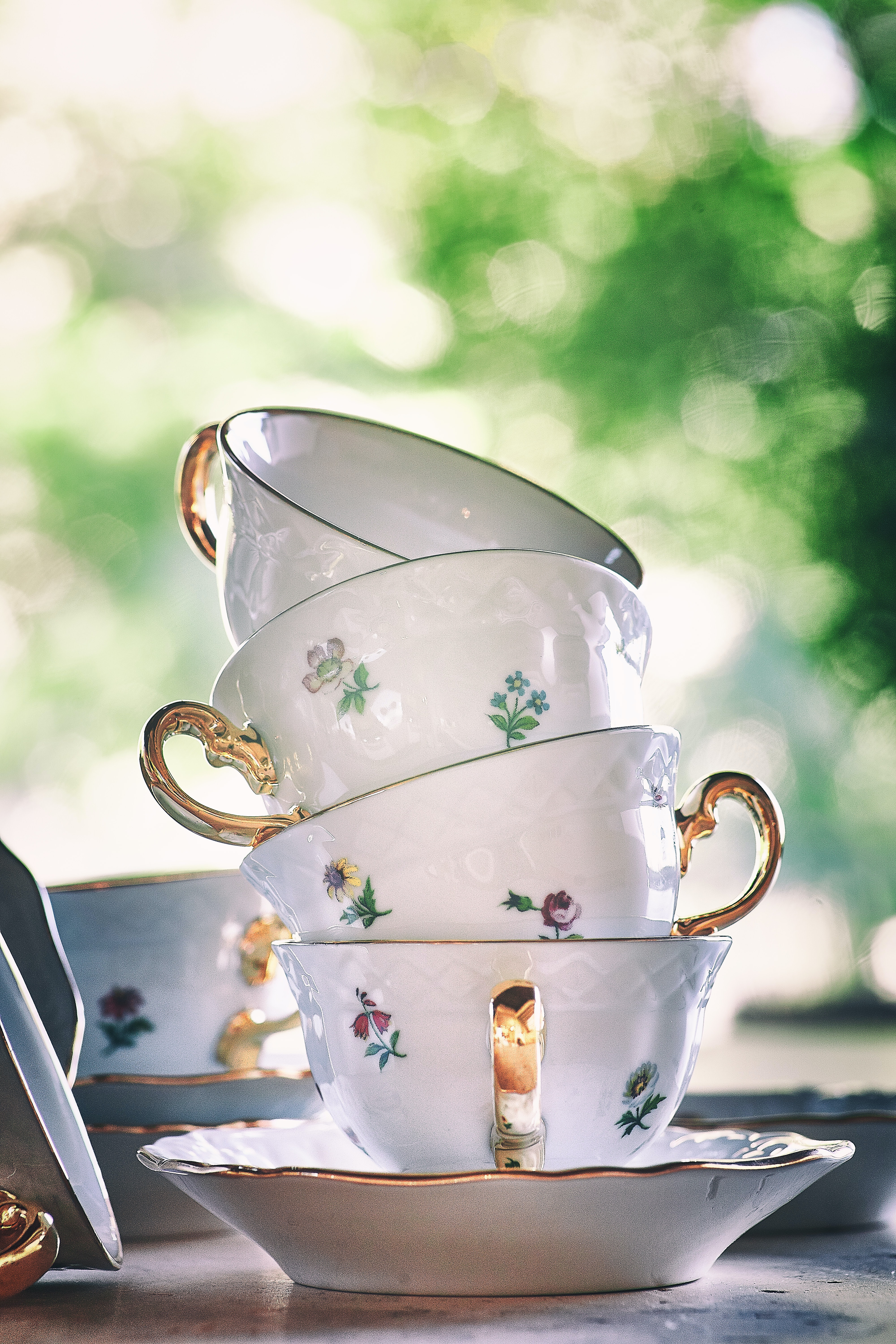
Tea cups photo by Rodolfo Marques on Unsplash English tea service photo by Sebastian Coman Photography on Unsplash

Portugal…here we come! Blog #97

It’s finally time!

As I write this blog, we are on the first leg of our journey from Canada to Portugal…I can hardly believe it has now become a reality. Just a year ago my proposal for an Extended Study Leave was granted, and our plans for the year began to take shape. There have been changes, adaptations, and many workarounds, but we did it; our eight month adventure in Europe has officially begun.

Looking back over the past year, we have had many hurdles to overcome. The original plan was to be in Europe for 12 months, visit at least 5 countries, and basically live life as digital nomads while I researched and interviewed around the topic of leading hybrid teams. You know the saying…the best laid plans… Well the goal remained the same, but the plan changed. A combination of the pandemic and kidney failure (for my husband), greatly tested our resolve to step out on this journey, but here we are! For the next 8 months we will split our time between Portugal and Spain, with a short visit to Finland, and perhaps…? Some plans are still fairly fluid.

Besides the many things I have already learned from my research (I’m setting those learning aside for this blog), I have a whole new appreciation for people choosing to travel and live abroad for an extended time. We watched our son and family pack up their 6 children and make the move to my home country of Ireland, and as a young teenager I immigrated with my parents and siblings from Ireland to Canada. I had, at least I thought I had, a good understanding of the process; was I ever wrong.   

It turns out there is no guidebook for what we are doing. Nor are there people in certain levels of governments who can give you the playbook for travelling to another country for 8 months. Don’t get me wrong, most of the folks I interacted with wanted to be helpful, and even tried, but nothing seemed to be as straightforward as one would think. 

 Born in Ireland, living in Canada, I have both an EU passport and a Canadian one…very handy. Early spring it was brought to our attention that my husband needed to have a visa to travel to Europe because of the length of our stay (I was even told that I needed one as well…hmmm). So we started the application process. Do you know how difficult and frustrating it is to find information on a website from a country that’s not your own, nor shares the same language? After many emails and phone calls, a lovely person at the Portuguese Consulate finally looked at the site and admitted, “Oh yes, that is rather confusing, isn’t it?” You see, there isn’t an option for our situation. I’m not going to Europe to work, my husband is retired, we are not travelling for medical reasons, I’m not providing training and development, we aren’t going to volunteer, nor am I going to further my education. Without making a selection, you don’t get access to the portal where the necessary documents can be uploaded and an appointment made. So, I had to choose something, and they would ‘fix’ it later. To make a really long story short, after a trip to the Consulate, more conversations, it turns out my husband didn’t need the visa we were seeking, but rather has to go through a totally different process once in Europe. We laugh about it now…but then, not so much. I do want to say that the young gentleman we eventually worked with at the consulate was great…it was certainly a learning process for all involved.

Covid also presented many challenges for travel, all also overcome. I never realized how many people you could call to find out the proper process, testing, timing, locations, without finding anyone who would give a definitive answer. Again, easy to laugh at now…but I can assure you, my Irish came out full force at times.

The other hurdle we were forced to deal with was my husband’s newly diagnosed need for on-going kidney dialysis. We are overwhelmed with the support provided by his medical team, our local hospital (Kelowna General Hospital)), solution provider (Baxter), client support, and government funding for the treatment Rob has received. Mind blowing to say the least! However, traveling overseas when one is required to hook up to dialysis each and every night is not a common practice. This, we learned, is new territory. Not to be defeated, we started asking questions, reading, seeking input, making phone calls, and came to discover that, while not without great effort, it is possible. So with dialysis cycler and transformer, extra solution for ‘just in case’, way more suitcases than our previous ‘carryon only’ travel mode, here we are.

Without the help and support of an amazing family, great friends, a fantastic medical team, and the opportunity to take time away from teaching at Okanagan College School of Business to entrench myself in research, we would not be 30,000 plus feet in the air, filled with excitement for what this adventure holds.

I hope you’ll follow along with our journey.

PS We are now safely in Lisbon…unfortunately our luggage didn’t make it! Decided it wanted to stay in Toronto 🤷‍♀️. Stay tuned!

And so the new research journey begins…blog #93

“It is a capital mistake to theorize before you have all the evidence. It biases the judgment.”

– Sherlock Holmes, A Study in Scarlet (1887)

Photo by Tatiana Syrikova on Pexels.com

It’s been a long time coming, but it’s here! I officially started my extended study leave, great thanks to Okanagan College for the privilege of such an opportunity.

When I began planning for this back in February 2019, never could I have imagined how life would have changed by the time I flipped the calendar to August 2021. Every area of our lives have been touched with both joy and sorrow. We’ve laughed, cried, shaken our fists, embraced, accepted, and are learning how, on a daily basis, to not let circumstances define us. The ‘us’ is my husband of 43 years, and myself; together we are embarking on an exciting journey, unsure of what all will unfold, but ready to embrace the unknown.

As many of you may know, I am a business professor, and a ‘remote work’ consultant. I have appreciated the privilege of adapting a form of ‘work from anywhere’ for most of my professional life. In my early career, I was fully supported by my employers to work either in the office, or from home, whatever was needed. I have enjoyed having a co-located office, as well as a home office, teaching amazing students in face to face classroom settings as well as fully on-line, working from amazing coffee shops in North America and Europe, all the while ensuring that the way I work reflects the high work ethic I was raised with. These opportunities have been the impetus for my focus on exploring the people aspects of working from anywhere.

Now, as I embark on a new research project, I am excited to learn, relearn, have my opinions challenged, and in return contribute my findings to the many individuals, teams, and organizations who are facing challenging and exciting transitions in how and where work gets done. The first research, conducted with my son Nathan Sawatzky, focused on Competencies for Success in Remote Workers. This led into a research project with Ian MacRea as we looked at Personality Traits of Remote Workers. Looking back on this research released over the past couple years, never would we have predicted the importance and impact of our learning for a time of such disruption. 

What’s next? Where is my current focus? The overarching question I am seeking to find answers to is “What does it takes to lead successfully in a work from anywhere context, ensuring proximity equity for all”. I want to hear stories from both leaders and members regarding how they have experienced proximity equity, especially when discussing access to resources (support, training, data, promotions, collaboration…). And, as we all know, there is also much to be learned from those who fall victim to proximity bias, so those stories are also of great value. Many are still in the early stages of these new working contexts, while others have been living in a more hybrid or work-from-anywhere format for some time…the common denominator is people. As leaders we need to talk responsibility for self-leadership, while ensuring our members are supported and equipped to be the very best of who they can be.

So, vaccinations received, accommodations reserved, flights booked, my husband’s visa application submitted (I get to travel on my EU Passport as an Irish National!), all the biggies taken care of. The plan is to work from our home in Kelowna, BC, Canada from now through the end of October, then hop on a plane for Portugal to saturate ourselves in the Portuguese culture for four months. Next stop Valencia, Spain for another four months. Before heading home at the end of June, we will spend a bit of time with our son and his family in Finland. Of course, this is all dependent on the skies remaining open for travel! Knowing this may be a possibility, plan ‘B’ will still allow my research to continue, all thanks to the opportunity technology provides for working (or researching) from anywhere! 

However, our first choice is to experience first hand what it means to truly work from anywhere, and live in cultures not our own. I love this quote from Interactive Design Foundation (IDF):

“Research can be compared to interacting with the ocean. On the surface, we may see calm beauty or turbulence; however, we can only fully understand the bigger picture once we submerge ourselves and go much deeper. In order to gain a holistic, empathic understanding of [those impacted] and the problem we are trying to solve, we need to question everything, even things that we think we know the answers to.”

I invite you to follow along with, and participate in, our journey. I have a list of books to read, literature to review, podcasts to glean from, and most important, interviews to conduct with the experts…those of you who are living the reality of work from anywhere contexts.   

If you are interested in a conversation please reach out to me, Roberta Sawatzky…I would love to hear your stories!

Time out to take in…blog #92

It’s June. Something about the start of summer that requires one to slow down, create space for down time, and recharge. At least that’s what it means for me.

The past 18 months have been a whirlwind, filled with events and happenings that have pulled every emotion out of me. The full spectrum! I know I’m not alone in this. Taking time to think, to create, to breathe, has been pushed to the back burner.

But, it’s June, and it’s time. I wrote in a past blog about the excitement of my upcoming, one year, Extended Study Leave that officially starts August 1, 2021 (big thanks to Okanagan College for this!). I’ve planned for this, looked forward to it for quite some time, and find it hard to believe that it is only two months away! It will be a time filled with learning for me: reading, writing, interviewing, reflecting…repeat. By the way, the focus of the research and inquiry will be on Proximity Equity in Hybrid Teams. I’ll be looking to chat with both leaders of hybrid teams and team members to hear their stories. If you are interested in a virtual chat, please reach out to me at rsawatzky@okanagan.bc.ca. COVID willing, November will find us heading to Portugal and Spain to fully experience working from anywhere while continuing the research.

So that’s August, this is June. Part of me wants to jump in with two feet, to just get started with the research. But a greater part of me gently suggests that it’s time to wait, to pause, to let transitions happen, to watch, to take in, to let my mind wander, to allow it to create, to write, to reflect. For once I have decided to listen to that quiet voice, to prepare, and be ready to hit the ground running!

This past semester, I had Rowena Hennigan (virtually)speak to my third year business students…her topic was psychological health. Rowena, message heard and received! 

So what does this look like? Hmmm, well, it for sure includes making time to read for pleasure, for walking, biking, spending time with family and friends, taking in the beauty of this amazing part of the world we live in, and perhaps even sitting doing nothing!  It also means taking a bit of a social media break (talk about FOMO!), but I’ll be there, on the sidelines, just taking a peak at what my colleagues across the globe are learning and experiencing…but more as a spectator than a participant.

So for now, at least until August, I’m signing off. But I’ll be back, full of excitement and energy to start this next leg of the adventure. 

Have a fantastic summer…and be kind to ‘you’!

The power of words…blog #73

“One of the hardest things in life is having words in your heart that you can’t utter.”
James Earl Jones

There are times in life when I so desperately want to have something profound to share…like right now. You know what I’m talking about…some way to offer comfort or encouragement to family, friends, neighbours, or colleagues. Those whose experiences during these days vary from sadness to fear, despair to frustration, from loneliness to exhaustion, appreciate to being totally overwhelmed. Some are even expressing gratitude for the forced slowing down of life. Even the simplest comforting touch or high five is not an option. All we truly have to express our love, concern, empathy, praise, appreciation or whatever, are our words.

All we have is words? All we have? Perhaps we need to remember how powerful words actually are. Remember the old saying’ “Sticks and stones my break my bones but words can never hurt me.” So not true. How many of us have been hurt beyond measure by the words spoken by friend or foe? Then again, how many of us have been ministered to by the power and beauty found in a thoughtful, genuinely crafted message offered in a time of need. Words have the power to hurt, yes, but more important, they have healing power that goes beyond what we can imagine.

“Beautifully crafted words have the power to captivate the mind of anybody.” Sam Veda
“Words are pale shadows of forgotten names. As names have power, words have power. Words can light fires in the minds of men. Words can wring tears from the hardest hearts.” 
Patrick Rothfuss, The Name of the Wind
“Good words are worth much, and cost little.” George Herbert
“Kind words are a creative force, a power that concurs in the building up of all that is good, and energy that showers blessings upon the world.”
Lawrence G. Lovasik
“Fill your paper with the breathings of your heart.” William Wordsworth
“Go inside where silence is. Stay there. Let words bubble up.” Maxime Lagacé

Words are powerful. When time is taken to connect with what we want to express, to identify the feelings, the emotions, then paint a word picture that expresses those deep thoughts to someone who needs to hear them, the outcomes are nothing short of magnificent. What’s more, the beauty of the written word is in the reading, and re-reading, prolonging the joy or affirmation received by the ‘other’.

I’m not a great orator, nor am I capable of orchestrating a magnificent symphony with words, but I want to learn. Not for self-edification, but to put into words–spoken and written, what I have lived, what I feel, what I am learning, and offer them up as a gift to bring meaning and edification to others.

Perhaps together we can create verbal touches and virtual hugs offered to others through the sharing of  thoughtful, genuinely crafted words, seasoned with a healthy measure of empathy.