Category: Change

Leaving Portugal, bitter sweet…Blog #106

It’s our last day here in Albufeira, Portugal – of course it can’t go by without one final walk along the incredible stretch of beach that has been our home for the past three months. There’s no wind blowing but still the waves are strutting their power for all to see. As I sit on the power tide created ridge on the beach, I see a big wave coming. I close my eyes and just listen…it’s still, like the calm before a storm, then comes the crash of the wave, followed by the soaking I get as the ocean splashes over the sand ledge where I’m perched. It got me, and a couple sitting a few meters away. We look at each other and laugh…what else can you do? As the water recedes I hear the sound of shells rolling and soft, bubbling water as the next wave gets ready to pound the beach. I could listen for hours! In those few moments the waterscape changes as it continues to do with every new wave. As we walked this beach on an almost daily basis, we’ve marvelled at how much the beach changes, while preserves its beauty.

These past four months have provided the opportunity to spend much quality time with our son, daughter-in-law and grandkids. We love each of them and cherish the new memories created. We’ll miss them terribly! However, being with our European kids means being away from our Canadian kids. We miss our Canada family and friends. No matter where in the world they are, family and friends are such an important part of our lives; too often we forget to stop and appreciate the blessings and joy they each bring to our lives. BUT, over the next four months we are excited to have all our kids and grandkids, EU and Canadian, together in Spain for a visit. AND welcome friends coming to visit as well…the adventure just keeps getting better.
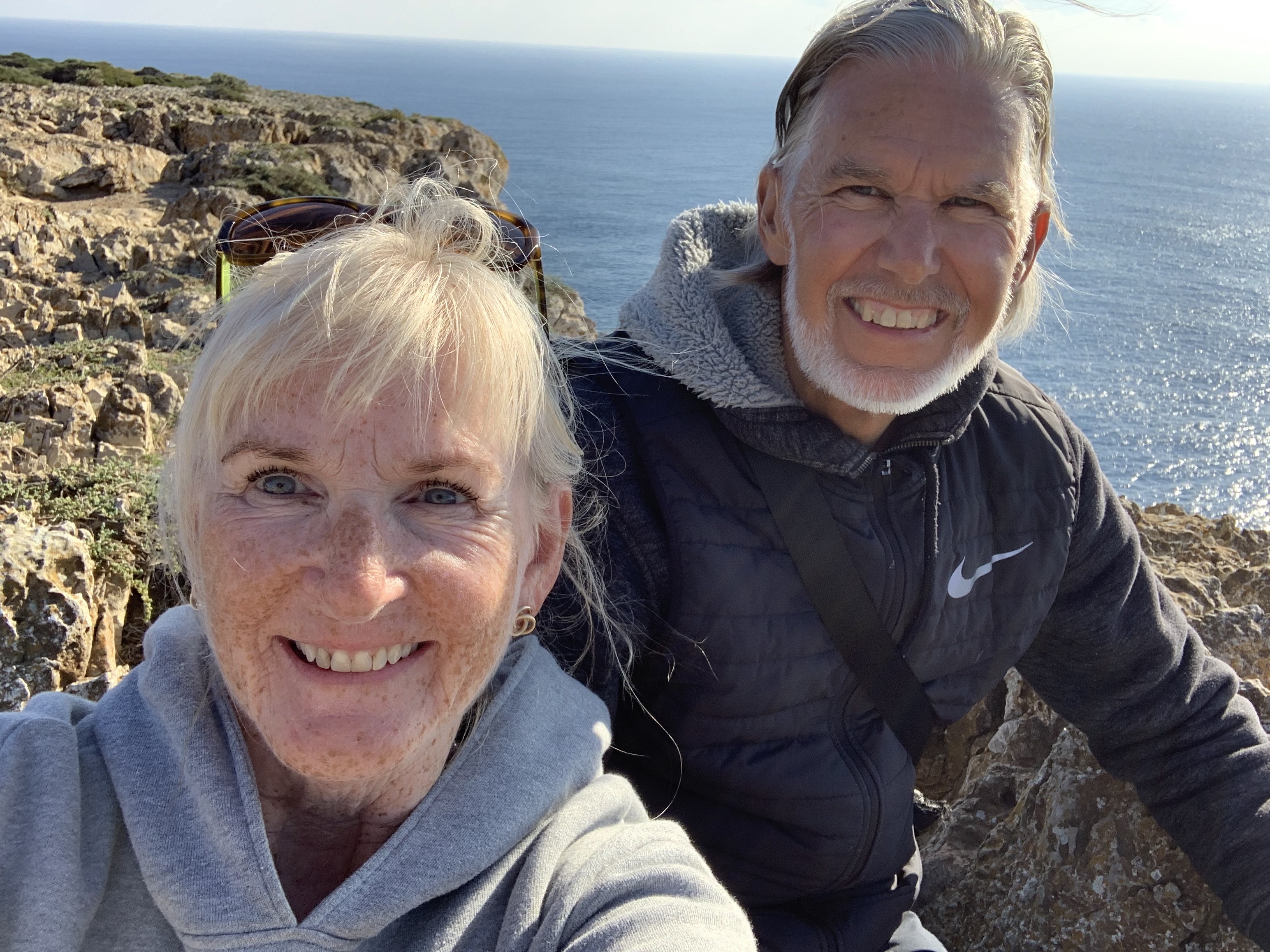
Our time here in Portugal has been fantastic. As my husband and I travel to Valencia, via Seville and Torremolinos, we will have time to reflect on the many memories created. In a way it feels like we’re venturing out on a new trip: new locations, language, surroundings, culture, living accommodation, food…new everything. We are excited. 

Before I head out on the beach I stop at one of the cafés we have frequented to pick up a coffee and one last Pasta du Nada. You’d think after four months of having them more often than I should, the novelty would’ve worn off…not so! I still love these creamy custard treats, especially sprinkled with cinnamon, a spice that I’m actually not overly fond of.

We are leaving at a time when Albufiera is just starting to come alive again. When we arrived a few month back, we were told that March is when things start to fully open up…just as we leave. Restaurants that we had been longing to try just opened, a café on a side street in Old Town finally opened up; we treated ourselves two days in a row to their delicious offerings. I realize how perfect it would’ve been to work out of that café…oh well. The café on the beach that I did work from was amazing and so hospitable.

I love watching people as they take their first walk along the beach. The awe and wonder on their faces is undeniable. I want to go to them and say ‘isn’t it marvellous? Isn’t it breathtaking?’ But I don’t. With all the different languages we hear around us, chances are pretty strong that they wouldn’t understand anything I’ve said. Instead, we share the unspoken nods, glances, and smiles that seem to say everything without a single word being spoken.

When I look at all I have accomplished these past months for my research, I’m actually quite amazed. At times I have felt panicked thinking I should be doing more, forgetting that sitting thinking and reflecting on what I just read or just written is all part of learning. I’m a doer, and often need to be reminded that ‘doing’ isn’t the goal, but rather stopping to reflect on my learning, process it, and apply it is what really matters. 

As I sit soaking in this amazing creation, my mind wanders. I used to think of the ocean, or sea, as being my happy place… I’m not sure that’s the right word anymore. Don’t get me wrong I still absolutely love being by the water, but over these four months it’s become more than just my happy place. It’s become a place where my thoughts have had time to freely make themselves known, a place where I’ve been forced to acknowledge that life can be just plain shitty, but also filled with such joy. It’s a place where I’ve been forced to come to terms with how I’ve grown up viewing myself and where that negative thinking has come from; I’m finally seeing how its deep roots have infiltrated so much of my life. 

Sitting by the water over these past months is where tough conversations have taken place, where words have been spoken from a place of hurt, words that were not totally seasoned with love and grace. It’s also a place where long walks have been enjoyed, hand in hand, with the person that I love more than life itself.

It’s place where I have paused to be vulnerable with myself, and am learning to be brave enough to be vulnerable with others.

As I relish being at ‘my ruminatting place’, I notice a deep sense of peace and contentment. I don’t want to leave, but yet know that without leaving and moving on I’ll never experience the new, wonderful and exciting adventures and lessons yet to be encountered on our journey.

Spain, here we come!

When Google Translate doesn’t help…Blog #105

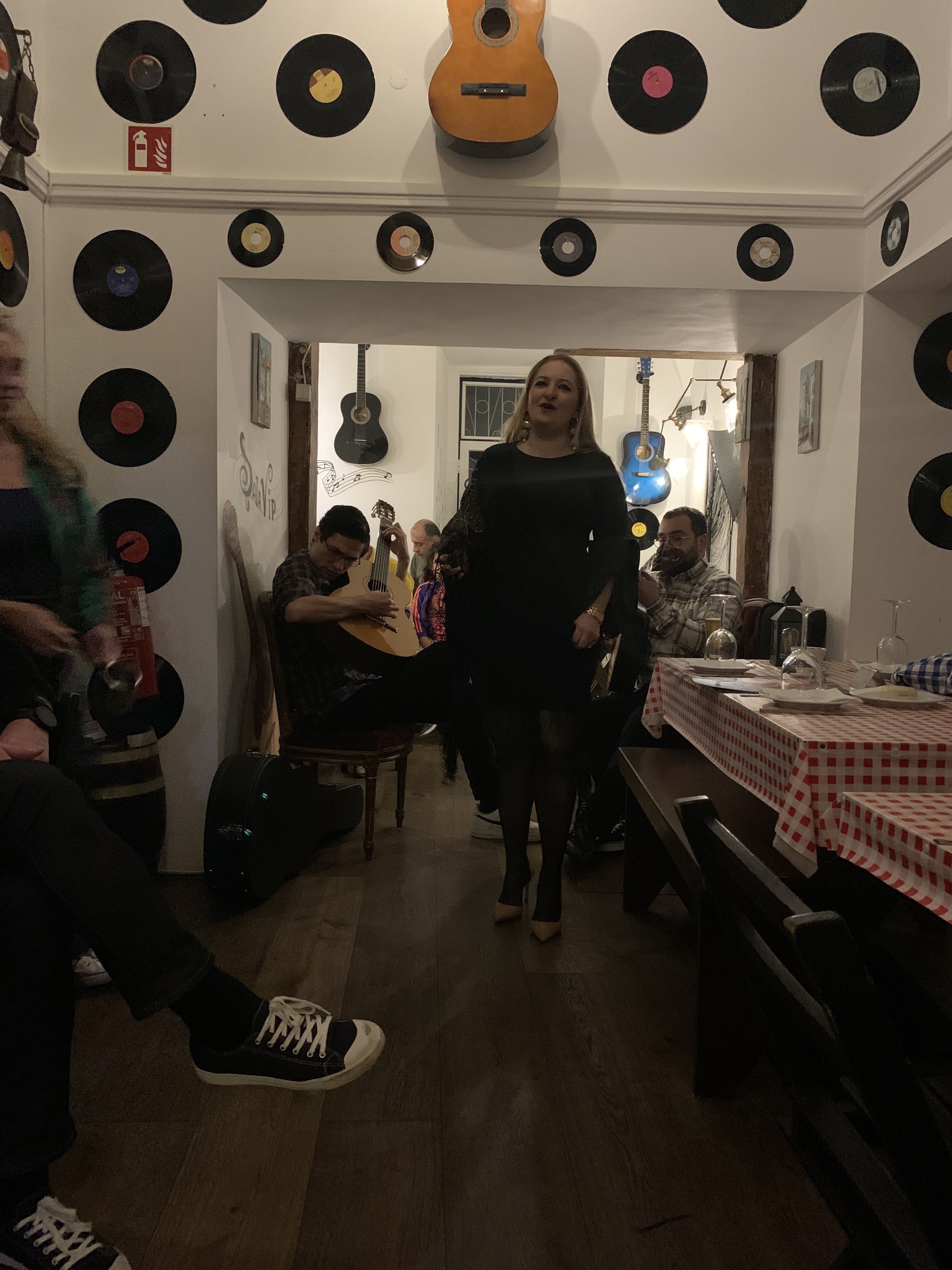
Fado…a ‘must see’ Lisbon experience.

We first discovered Google Translate during our trip to Prague some years ago. It was amazing, and helped out in so many ways from reading menus to asking for directions. Our time in Portugal has also been aided by this helpful app. While most menus provide an English translation, we have had the need for language support in several other areas. Grocery shopping, for example, was an immediate area of challenge. The first day upon arrival in Lisbon we needed groceries. No car? No problem. Grocery stores were within close walking distance from our AirBnB. For the most part, buying meat, cheese, fruits, and vegetables was easy (as long as one could identify what the fruit or veggie was). What wasn’t so easy was knowing what kind of yogurt, oatmeal, milk, or even shampoo and conditioner was before us on the shelves. Open  Google Translate, use the camera feature, and we were good to go! 

In one instance while dining at a favourite eatery, Basilio, there was a sign hanging on the basket of ginger on the counter by our table. The symbol was a dog sitting, with a line across the picture. We have similar types of signage in Canada to indicate such things as no smoking, or no cell phones. You know the ones. Looking at the placement and context of where the sign was located, we were certain the message was clear.  My husband and I had a lengthy discussion around why ginger may be dangerous for dogs, and why a restaurant would need to provide signage to that effect. Being curious, and wanting to share this knowledge with family and friends, I took a picture. It wasn’t until we returned to our apartment that I actually asked Google to translate the words accompanying the picture; ‘Nao sentar’. 

Ok, those Portuguese speaking readers will immediately realize our mistake. The ginger basket was simply a vehicle on which the owners could hang the sign until needed to mark a table for incoming customers. For those of you, like us, not familiar with the language, Nao sentar means ‘don’t sit’. To be fair, had we used Google in the restaurant we would have learned this, but would have missed out on a very interesting conversation about the perils of ginger and our canine friends.

We recently had incident where we wished Google Translate could have helped. In preparing to leave Portugal to move to our new European location in Spain, we had to pick up a vehicle in Faro. After a rather frustrating experience (too long to get into here), we were upgraded to a Mercedes van (a little extreme for the two of us). However, it provides comfort, and plenty of room for us, our luggage, and other supplies we need to take along. We should have known we were in trouble when the customer service people told us the vehicle was from Spain, having been dropped off by one way travellers. 

My husband started the vehicle, and successfully drove out of the car lot, figured out where the gear changer was located, and headed back to Albufeira. Everything was good, until he touched something, causing the car to get stuck in first gear! Finding a place to pull over, he pushed, tapped, and pulled on every available lever and button (of which there were many). It began to feel like our youngest grand daughter pushing buttons, pulling levers, and turning wheels to make things happen on her Fisher Price car! To be fair, the car was trying to tell us what to do by way of information showing up on the control panel. The trouble was, all instructions were in Spanish! There is nothing in the basic Spanish lessons we are both taking that equipped us to know what should be done to get us out of this predicament, nor could our precious app get close enough to provide any kind of translation. Finally, after much random button and lever maneuvering, the gear changer was released…although my husband had no idea which was the magic move. 

Unsure of which road to take to get us home, rather than using my phone I decided to use the car GPS. You can guess what happened…Spanish! AND GPS gadgets that more resembled a gaming controller than a car GPS! For sanity sake, I used my phone. 🤷‍♀️

Knowing we only spoke English, why no-one at the rental place thought to introduce us to the foreign machine we had just rented remains a mystery. However, we did stop at one of their drop off locations once we made it back to Albufeira, where one of their service agents kindly switched the system to English, linked my phone via bluetooth, and introduced us to the various bells and whistles possessed by the van. We breathed a sigh of relief. 

My husband and I have both been driving for more years than I choose to mention. We have driven all kinds and sizes of cars, in various countries, but have never found ourselves in this kind of predicament. It’s interesting how inadequate and foolish you can feel, trying to do something you have done for years, but being completed lost and overwhelmed because what was once familiar, changed. I think many leaders are feeling like this. They have been leading teams, creating processes, fostering cultures successfully throughout their careers, but now find they have to re-think and re-learn everything. They knew how to be effective, but what was familiar has now changed. Learning how to lead and support their people in the fast changing contexts in which they find themselves can be like operating in an unfamiliar language. 

A word of advice? Seek out people who know this new environment, this exciting, yet overwhelming working environment, and ask for help. Believe me, you will learn to enjoy the ride once you do.    

Carvoeiro, one of our favourite places in the Algarve.

The rubber band snapped!…Blog #104

Still overwhelmed by such beauty!

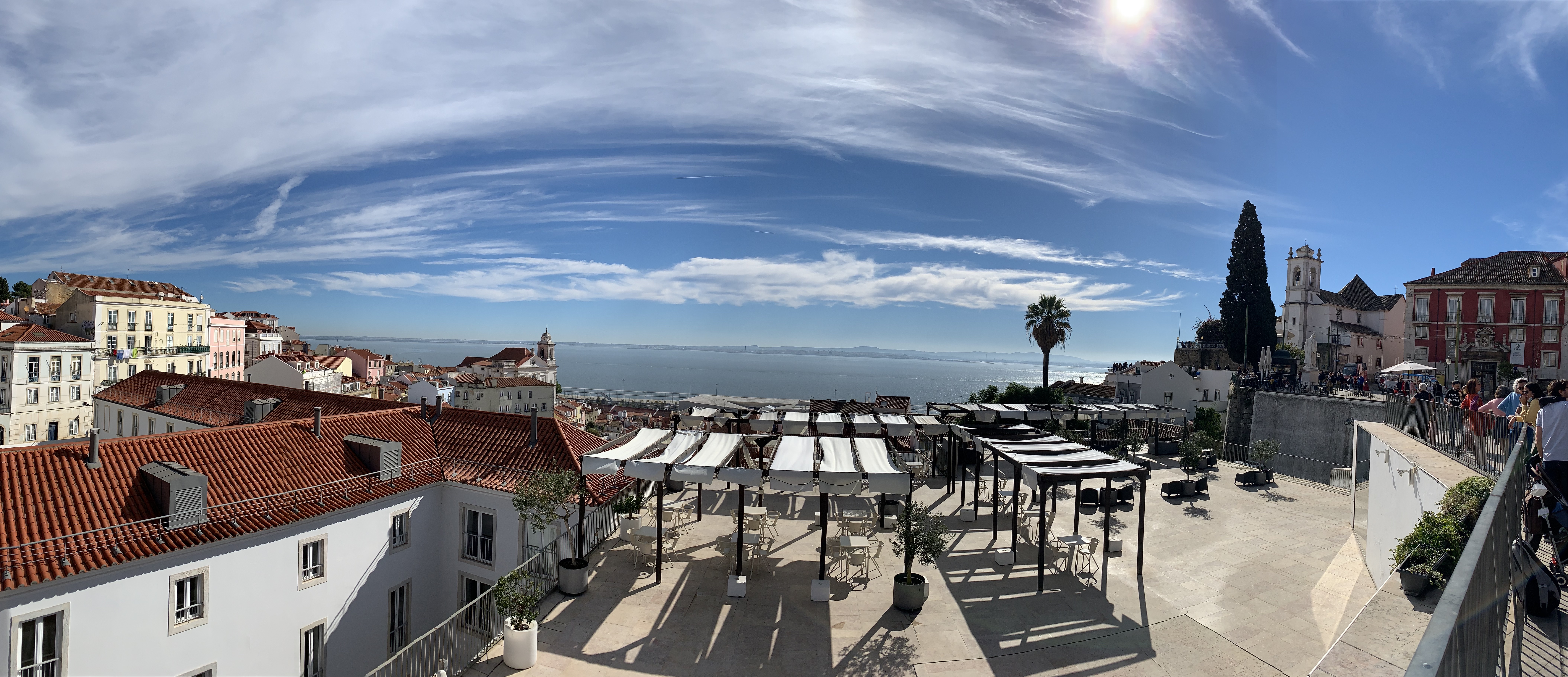
Two more weeks in Albufeira, Portugal, before heading to Valencia, Spain. We are thoroughly enjoying, and appreciating, balmy 16-20 degree celsius weather, boasting azure skies, sometimes dotted with fluffy clouds, and the occasional refreshing rain. Most days start with breakfast on the deck, where we can look out between buildings and clearly see the ocean spread out before us. The background sounds combine the squawks of seagulls, sweet songs of various birds, people calling to each other on the street, or from their balconies, and vehicles manoeuvring through steep, winding streets. The morning routine of hanging laundry out to dry and walking your garbage to the end of the street is embraced by all. Mail is delivered by a CTT delivery person often driving a scooter, with parcels dropped off by the delivery van. Mid-morning see’s an elderly couple walk down the hill for their morning coffee, while several locals gather outside the cafe for a morning espresso and chat. All this from my office balcony perch on our 4th floor apartment.

View from ‘my’ table

Somedays I head to my favourite cafe, Roca Beach Bar, right on the beach. Not only is the coffee good, but the Pastéis de Nata are amazing, served warm with cinnamon to sprinkle on top. I’ve become a regular, and receive such a warm greeting each time, with a genuine ‘check-in’ to see how my work is going. They have even dubbed a table as being ‘your table’, one that welcomes me with a breath-taking view of the vast beach and ocean just steps away.

Then the inevitable thing happens. Around 17:00, the sun loses its warmth, and slowly slips from view, eventually causing the air to drop to single digit temperatures. I had no idea how cold it would be in the evenings here in the south of Portugal. Ok, not as cold as at home in Canada, but still cold. We learned that the buildings are constructed to provide cool in the blistering summer heat, but in no way equipped to warm their inhabitants during the winter. From white concrete walls, to beautifully tiled floors, summer efficiency doesn’t feel so great when trying to warm oneself while huddled around a fireplace. Sure, it does a great job of taking the chill off the air, but once you stray more than a few feet away from its blaze, the chill quickly wraps itself around you.

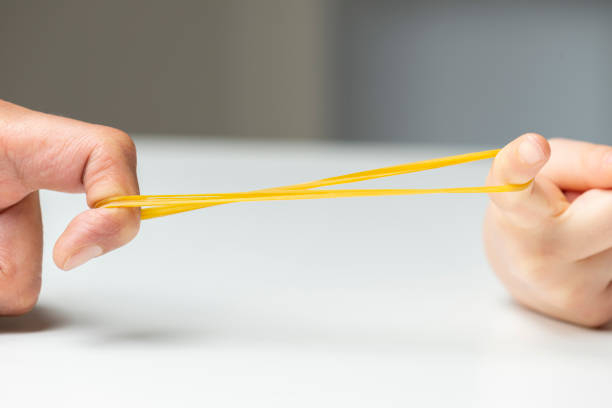
This is where the rubber band snapping comes in. Finding wood for a fire is easy here in Albufeira; you simply add it to the grocery list and pick up with your regular staples…oat milk, granola, eggs, fire starter, logs, firewood. Easy. Except these 9 kilos plus bundles are stacked in bins that require one to bend over, lift, twist, and drop into a shopping cart. I’ve been doing it successfully for 2½  months, until a few days ago. I have no idea what I did differently, except that my back decided enough was enough, and snap! Instant pain, instant ‘I can hardly move’, instant inconvenience! The shopping cart became my crutch until reaching the ‘comfort’ of our car.

With the aid of a heating pad, topical cream, Tylenol, and rest, I am well on my way to healing. The past few days, however, have made getting comfortable a real challenge. Sitting for too long hurts, lying down makes me ache, and walking has dropped a few gears to slow motion. However, even though I knew the bricks creating the footpaths had gaping cracks, the roads had many potholes, the stairs were totally uneven, and the walk to the beach was a downhill trek (not to mention the uphill return climb), the pain that shot through my back with each crack, dip, step, and hill, drew attention to these irregular surface conditions. Nothing changed about the footpaths, roads, or hills over the past few days, but my attention was drawn to them because something in my body had broken down, making it difficult for me to ‘make do’ with such uneven terrain. 

It got me thinking about life and work in general. When things are going well, when there are no new challenges that come along to disrupt the flow, we don’t pay much attention to problems or issues. Sure, they exist, but we work around them, we put up with them, until we can’t. Why is it that something, be it catastrophic or minor, has to happen before we give attention to those things that we can actually change in order to make life, systems, processes, or relationships better? Why do we settle for mediocrity when we could actually implement changes that just maybe, would bring growth and increased joy or efficiency to our personal and professional lives?

I obviously can’t do anything to change the surface conditions in Albufeira, nor can I change the building construction; however, my rubber band experience can serve as a reminder to pay attention to what I can change (yup, even how I lift). And more than that…do something to effect that change.

Culture = habits? … Blog #101

Sunday evening, church services were done, and the sitting room was all set up ready for company. Mom had been preparing for our visitors over the past couple of days, and the spread she presented was nothing short of front-cover-cookbook ready. The sandwiches were trimmed and cut into triangles, the scones were the perfect three bite size, ready to be lathered with Devonshire cream and homemade strawberry jam. Mince tarts, chocolate fudge shortbread, ‘plain’ shortbread, and Victoria Sponge cake were all part of the fare, served on a triple layer cake plate. Now, with the fireplace blazing, the room provided a warm and welcoming atmosphere for some good Irish craic with friends.  

If you think Mom put on this spread for a special occasion, you’d be greatly mistaken; this was a normal, regular, and most enjoyable cultural entertaining norm for a family in Northern Ireland, right up to when we immigrated to Canada in 1970. People would feel free to drop in anytime, knowing the kettle was boiled and ready to ‘wet the tea’ and let it ‘draw’ for the appropriate amount of time. As well, the pantry always had a tea treat at the ready for those welcomed guests who would simply drop in for an unannounced visit.

This was our ‘habit’ each Sunday evening. Similar times were enjoyed at my grandparents home in Annalong, Ireland. I have fond memories of sitting around the fire listening to my granda, with his gentle Irish brogue, recite stories and poems from years gone by, while granny cooked up her delicious tomato soup in the tiniest kitchen possible (I’ve no idea how they raised six boys in that tiny home!).

When our family immigrated to Canada, we expected those habits of culture to continue for us. Dad and mom expected neighbours to drop by anytime for a visit, they expected Sunday evenings after church to be times of visiting with new friends. Sure, my parents still invited people over, and guests were delighted by the table spread before them (albeit, with a greatly reduced salary the fare was more simple, though every bit as delicious), but such visits only happened when intentionally planned for. No one dropped by for a visit and a cup of tea. Mom waited, but no knocks ever sounded on the front door. It didn’t take long before her confidence started to crack; did people not like her? Was she an inadequate hostess? Would she ever have close friends again? It was a devastating turn of events for this accomplished homemaker who freely expressed her love and appreciation for others through hospitality.

Culture was not a topic of conversation back then. People were people. We didn’t encounter folks from other countries on our small island (the cultural landscape of Ireland has certainly changed over the years…a lovely thing to see). In our new home called Canada, we knew things were different, but had no words to describe it, only expressions of sadness, hurt, and longing for what had been.

Eventually, as a result of a heart attack, my dad met an Irish doctor who opened our eyes to the ‘Canadian way’. Dr. Mark quickly became a family friend, and provided our first lessons on cultural training. Who would have thought it would be considered an imposition to drop in for a visit? As time passed we would soon discover not only the differences in our cultures, but also in our common words of expression. Apparently it wasn’t a good idea for a student to use the term ‘stupid ass’ in class. Nor was it a compliment to tell someone their home was homely. (We learned that ‘homey’ was the complementary word we were after.) Another cultural practice, or habit, was drinking tea. Let me be clear, there is nothing wrong with tea…it is still a pleasure to be enjoyed by young and old alike, no matter where they call home. 

However, our habit was to have tea first thing in the morning, mid-morning, before going to the market, when we came home from the market, with lunch, afternoon tea, dinner, and of course supper (the snack we had just before bed). Not until my then boyfriend (now husband) came into the family did we realize this was not the norm. 

Culture is a beautiful thing, but even some cultural practices, or habits, can be a barrier to fully enjoying the many wonders of life and living. Let me share this example. As a young woman I was suffering with constant headaches. I saw one specialist after another, and none of their brilliant minds could figure out the problem. Until one. This doctor was an eye, ear, nose and throat specialist (ENT), but most significant was his heritage: he was British. In our first consultation, he inquired about my tea drinking habits. When I recounted a normal day, we added up how many cups of tea I was actually consuming…more than ten cups a day, well beyond the recommended daily allowance of caffeine! His prescription was for me to stop drinking tea for a period of time. I did, missed the tea desperately, but did not miss the headaches that magically disappeared at the same time I cut out my tea drinking rituals. 

Our culture, our habits, were so ingrained in who we were, we had no idea others would not share the same. Growing up, I had no exposure to other cultures, our family travels were mostly to the South of Ireland, England, Scotland, Wales, and just before immigrating we visited Ibiza and Canada. There is a great difference between visiting a place and residing in a place. Marriam Webster offers this as a definition of reside…’to be present as an element or quality.’ How long does it take to move from simply living to residing in a location? I don’t know…but I certainly hope that being in a place for four months (as we are in Portugal and then Spain) will afford us some of the cultural insights that are unique to these areas.

The idea of culture being habits, has created a bit of a mind shift for me over the course of my current research.  Organization culture or team culture is a topic of great interest in these changing times. We read articles and books about adapting to culture, learning culture, creating a culture, or embracing culture, among other topics, but the challenge seems to be most apparent when we start looking at changing culture.

“Culture will not change by propagating different values. Culture can only change by changing habits and behaviours. These in turn will change values, plans, procedures, and norms and finally the ‘stories we tell ourselves about ourselves’ regarding our bottomline assumptions and beliefs.”  

Jutta Ekstein and John Buck, experts in the ‘Agile’ space.

While changing my behaviour around drinking copious amounts of tea may not revolutionize an organization, it was a change in my habits, my culture, that certainly brought healing and growth to how I live my life. And, opened up a whole new world of coffee (decaffeinated of course!)

We continue to live in a time of change, change that often calls for a re-examining of organizational culture. Is it possible that such an examination might reveal some habits that, if changed, may be the first step in shifting a culture towards one that more realistically aligns with the values, plans, procedures and norms aspired to as an organization? 

The Cambridge Dictionary defines a catalyst as ‘someone or something that causes a big change’. Is it possible that individuals within organizations could be the catalysts for a necessary cultural shift in an organization by intentionally changing one habit at a time? I wonder what some of those habits might be for your organization?

Praia da Oura Leste, Albufeira, Portugal

Tea cups photo by Rodolfo Marques on Unsplash English tea service photo by Sebastian Coman Photography on Unsplash

It’s been a week!..Blog #98

I have a renewed appreciation and respect for people who chose to pack up and move to another country for a temporary, or extended time to embrace working from anywhere. Our son has coined the phrase “lifestyle travelling”, meaning, you operate with a different lens, and open yourself up to the sorts of risks one would normally face, but you expand that to the “open road”. That’s what my husband and I are doing, he’s retired and I’m continuing my extended study leave. However, to say our first week had some hurdles would be an understatement. We have faced multiple challenges that make it hard to believe we only arrived 6 days ago! I know someday we’ll look back on this and laugh…but not yet.

Rather than giving you the ‘glass half empty’ story, I’ll focus on the ‘glass half full’ perspective.

  • (Luggage lost for 5 days) Our clothes did arrive, eventually, delivered right to our door with an apology. It felt like Christmas! No need to for a replacement wardrobe. We have been planning this trip for over a year, and had purchased clothing that would layer well and be versatile for the 8 months in Europe. Much as shopping for a new wardrobe may be fun, we were really happy with our own selection. 
  • (Supplies in lost luggage) The pharmacists here in Lisbon are great, helping us choose the best products, closest to what my husband uses at home. Full marks for them! 
  • (Medical support equipment breaking) Baxter, our supplier for all things dialysis, has gone above and beyond for us. Truly a life-line! If you want to study what great customer service looks like across borders, look no further. 
  • (Limited power in the apartment) We are learning to be more intentional in our use of electricity…limit it, or loose it! And we are good with that. 
  • (Cave like lighting) Because of the lack of natural light in our place, we are spending a great deal of time outdoors, exploring Lisbon and finding third spaces to soak in the Vitamin D while getting reading and research done. 
  • Through all of these ’bumps’ our hostess has been over the top amazing! As many great hospitality stars AirBnB gives, she deserve twice as much! And, 
  • (Language) Google Translate has become my constant companion. We had planned on learning some Portuguese and Spanish before leaving Canada, but time got away from us. We are also so impressed with the graciousness of the Portuguese people—they are so hospitable in speaking English, even apologizing for not speaking fluent enough! The most Portuguese we can manage is ‘obrigada’, a word we have been called on to use more times in a week than imaginable. 

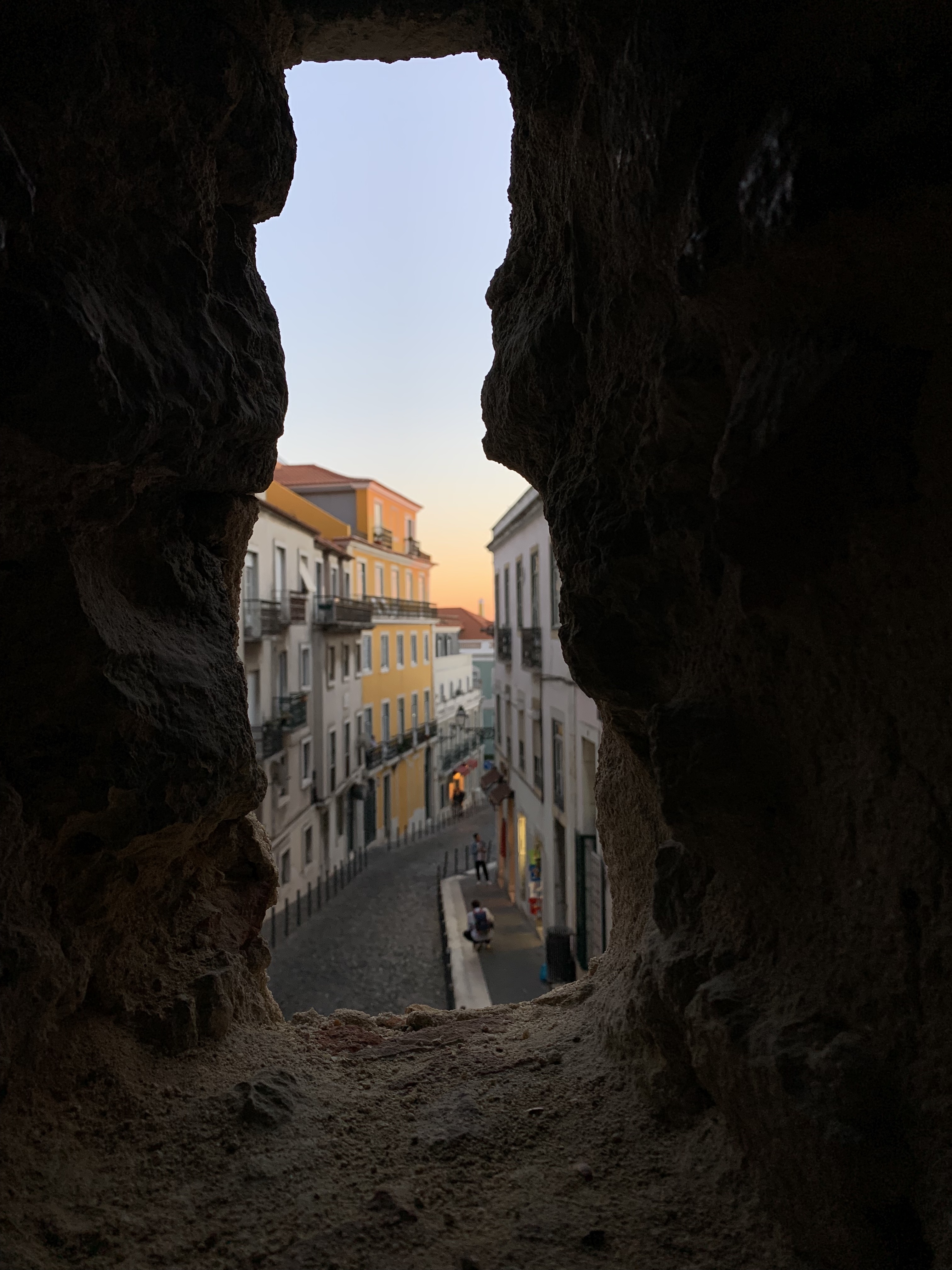
Lisbon is an incredible city. Every day we set out in a different direction to see what we can find and are loving the surprizes around each corner. We are staying up close to São Jorge Castle, so every direction we go seems to be up, then down, then up…you get the picture. 

As we’ve been experiencing the unexpected this week, I am reminded of the research Nathan and I published in 2019. The focus was on remote workers competencies for success, our attention being from a work context. Possessing those competencies goes well beyond working. If you choose to be a remote worker working from anywhere, or even working a more hybrid model, I would suggest the competencies identified need to be present to simply do life in such settings. The freedom to work and live anywhere is a gift and privilege to be treasured, but it also comes with responsibility — personal and professional, to make things work. It’s not easy to pack up and go to a different country to pursue such an adventure. We thought through all the possible scenarios of what might happen and were fairly confident we had contingency plans in place. We still were not fully prepared. When you pack up and leave, you are not only leaving your home with all the conveniences, you are leaving your support network—social, family, and medical. To be sure, you can reach out via text, email, or phone if necessary (but you need to first get that new EU sim card purchased), but with 8 hours time difference (for us anyways), they may be fast asleep when you are in the middle of it all. We are fortunate to have our son and family living in Europe, but they are not where we are. We have travelled to Europe several times, but this is not a vacation. I was born in Europe, but I left as a young teen. This is all so different.

Do we regret the decision to take this journey? Not for a moment! Would we recommend it to others? Without a doubt! Is it as easy as we anticipated? Not the first week! But there is so much more adventure to come.

Stay tuned. 

Learning to re-think…blog #94

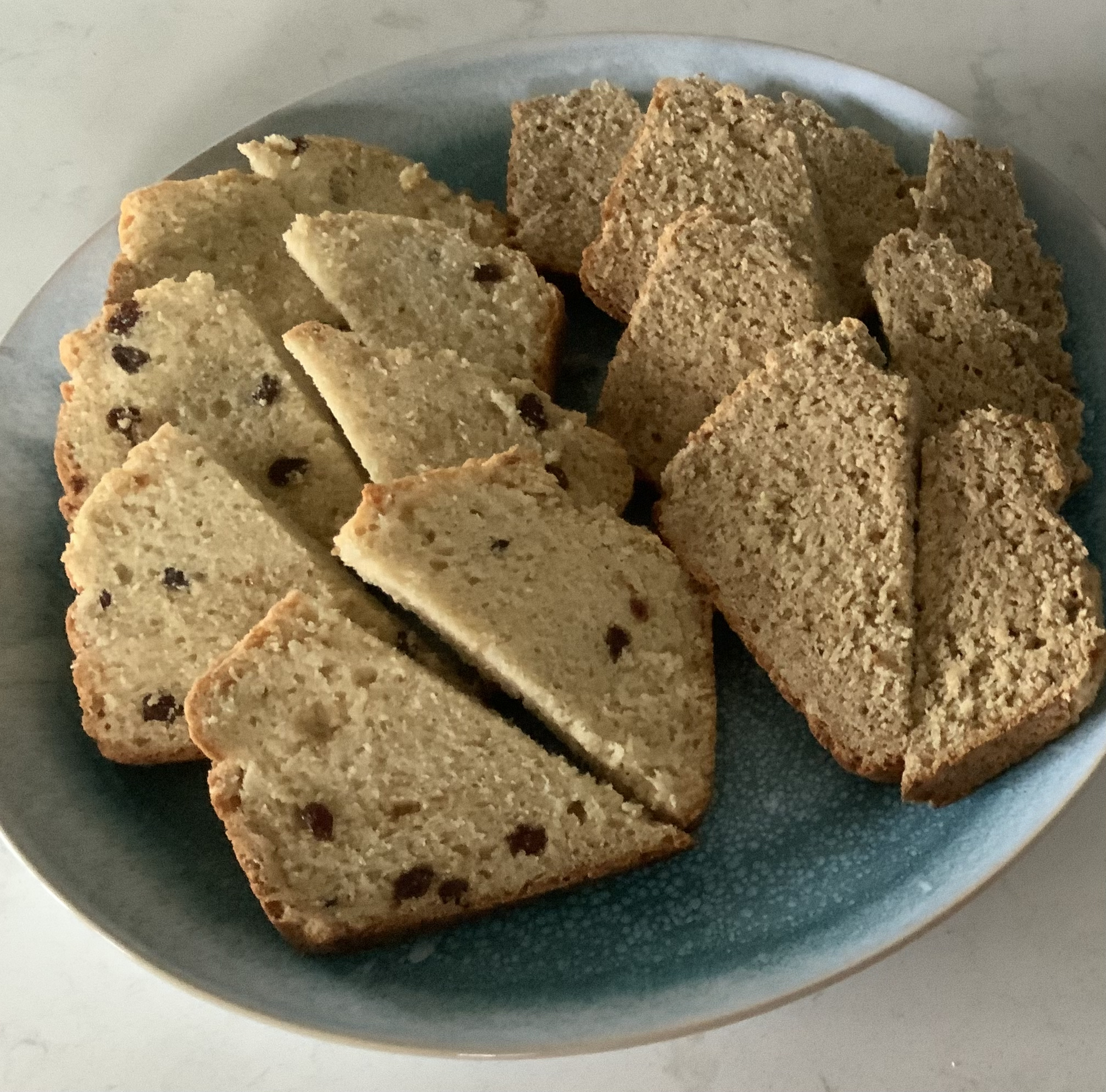
I love soda bread!

 For those who don’t know what it is, it’s the homemade bread I grew up eating in Ireland. Delicious warm, and even better toasted with lots of butter and marmalade. Sometimes Mom would add raisins, but even plain, it was scrumptious. It’s the one kind of bread I know how to make, and it turns out great every time. (Yes, this is a picture of my own handy work.

You can imagine my excitement when we turned on the TV and saw that the cooking challenge for the day on the Great British Baking Show was for the bakers to make their version of soda bread. 

Their version of soda bread?

When the challenge was further explained, and the bakers had to take the basic bread and make a savoury and a sweet version, my enthusiasm waned. My horror was fuelled when the creations included things like salmon, olives, blueberries, dried fruit…. How could they do that to Irish Soda Bread? Once the bakes were complete, and the judges did their tasting, I must admit that some combinations of ingredients actually may find their way into my next bake. 

I need to own the fact that I fell prey to the ‘that’s not the way we’ve always done it ’belief; I passed judgement before giving the ideas a chance to play out.

As I approach this research regarding proximity equity in hybrid or work-from-anywhere teams, my desire is to bracket my own beliefs and ideas, and adopt a posture of curiosity, inquiry, and learning. As noted in my previous blog, my learning journey includes interviews, reading books, examining research literature, listening to podcasts, and recording my learnings as I go (and probably several other things that will unexpectedly grab my attention over this next year). 

The book that is currently stretching my thinking is Think Again: the power of knowing what you don’t know, by Adam Grant. If you could see the amount of highlights I made in the book you would grasp the impact this book has had on my thinking! Here’s a quote from the author, 

“Thinking like a scientist involves more than just reacting with an open mind. It means being actively open- minded. It requires searching for reasons why we might be wrong—not for reasons why we must be right— and revising our views based on what we learn.”

Read that over a few times before moving on…I had to. Let me state again that I am 100% Irish, which means I was raised in a home where heated dialogue was welcomed and encouraged, and we learned how to argue our point and get our opinions across before leaving the table. Fairly respectfully, for the most part, but the winner was the one who’s ideas or opinion was strongest, not the person who was the most open to being wrong! The idea of embarking on research, looking for reasons to prove a hypothesis I had already bought into, was actually a refreshing concept. As encouraged by Adam Grant, I’m learning to recognize my cognitive blind spots and revise my thinking accordingly.

In the early stages of this research, I am already finding the need to ask more questions to gain insight into people’s experiences, to intentionally listen hard, to bracket what I think they may say about how a certain situation could or should have been handled. By learning to think again, I find I am beginning to watch and listen for the gaps, the pauses, the unspoken emotions—and to gently probe for what’s not being said. 

As I look for themes about what it takes to lead in this new context, I’m seeing the idea of leaders needing to be willing to re-think their positions, their beliefs; to be ok with admitting they’re wrong. I’m also becoming more aware of the need for leaders to be willing to provide honest, constructive, specific feedback, even if it’s not what their members want to hear. That takes courage and it takes a willingness to maybe not win the boss of the month award; it also demonstrates a deep desire to see their members succeed, to do what it takes to serve their needs, not the leader’s own needs.

A question I may be adding to the interviews going forward…

“If I knew then what I know now, what would I have done differently? How might that inform how I think and act moving forward?”

How would you answer? I’d love to hear about it.

There are so many more take-aways from the book, it is well worth the read! 

A big thanks to those of you who graciously subjected yourselves to an interview these past three weeks…you know who you are. I can honestly say, without folks like you, my learning  journey would be crippled! As would the final outcome of the research. And thanks to the many interviewees still to participate.

And so the new research journey begins…blog #93

“It is a capital mistake to theorize before you have all the evidence. It biases the judgment.”

– Sherlock Holmes, A Study in Scarlet (1887)

Photo by Tatiana Syrikova on Pexels.com

It’s been a long time coming, but it’s here! I officially started my extended study leave, great thanks to Okanagan College for the privilege of such an opportunity.

When I began planning for this back in February 2019, never could I have imagined how life would have changed by the time I flipped the calendar to August 2021. Every area of our lives have been touched with both joy and sorrow. We’ve laughed, cried, shaken our fists, embraced, accepted, and are learning how, on a daily basis, to not let circumstances define us. The ‘us’ is my husband of 43 years, and myself; together we are embarking on an exciting journey, unsure of what all will unfold, but ready to embrace the unknown.

As many of you may know, I am a business professor, and a ‘remote work’ consultant. I have appreciated the privilege of adapting a form of ‘work from anywhere’ for most of my professional life. In my early career, I was fully supported by my employers to work either in the office, or from home, whatever was needed. I have enjoyed having a co-located office, as well as a home office, teaching amazing students in face to face classroom settings as well as fully on-line, working from amazing coffee shops in North America and Europe, all the while ensuring that the way I work reflects the high work ethic I was raised with. These opportunities have been the impetus for my focus on exploring the people aspects of working from anywhere.

Now, as I embark on a new research project, I am excited to learn, relearn, have my opinions challenged, and in return contribute my findings to the many individuals, teams, and organizations who are facing challenging and exciting transitions in how and where work gets done. The first research, conducted with my son Nathan Sawatzky, focused on Competencies for Success in Remote Workers. This led into a research project with Ian MacRea as we looked at Personality Traits of Remote Workers. Looking back on this research released over the past couple years, never would we have predicted the importance and impact of our learning for a time of such disruption. 

What’s next? Where is my current focus? The overarching question I am seeking to find answers to is “What does it takes to lead successfully in a work from anywhere context, ensuring proximity equity for all”. I want to hear stories from both leaders and members regarding how they have experienced proximity equity, especially when discussing access to resources (support, training, data, promotions, collaboration…). And, as we all know, there is also much to be learned from those who fall victim to proximity bias, so those stories are also of great value. Many are still in the early stages of these new working contexts, while others have been living in a more hybrid or work-from-anywhere format for some time…the common denominator is people. As leaders we need to talk responsibility for self-leadership, while ensuring our members are supported and equipped to be the very best of who they can be.

So, vaccinations received, accommodations reserved, flights booked, my husband’s visa application submitted (I get to travel on my EU Passport as an Irish National!), all the biggies taken care of. The plan is to work from our home in Kelowna, BC, Canada from now through the end of October, then hop on a plane for Portugal to saturate ourselves in the Portuguese culture for four months. Next stop Valencia, Spain for another four months. Before heading home at the end of June, we will spend a bit of time with our son and his family in Finland. Of course, this is all dependent on the skies remaining open for travel! Knowing this may be a possibility, plan ‘B’ will still allow my research to continue, all thanks to the opportunity technology provides for working (or researching) from anywhere! 

However, our first choice is to experience first hand what it means to truly work from anywhere, and live in cultures not our own. I love this quote from Interactive Design Foundation (IDF):

“Research can be compared to interacting with the ocean. On the surface, we may see calm beauty or turbulence; however, we can only fully understand the bigger picture once we submerge ourselves and go much deeper. In order to gain a holistic, empathic understanding of [those impacted] and the problem we are trying to solve, we need to question everything, even things that we think we know the answers to.”

I invite you to follow along with, and participate in, our journey. I have a list of books to read, literature to review, podcasts to glean from, and most important, interviews to conduct with the experts…those of you who are living the reality of work from anywhere contexts.   

If you are interested in a conversation please reach out to me, Roberta Sawatzky…I would love to hear your stories!

It’s all about the people…blog #91

There are a lot of great conversations happening virtually about what organizations could look like moving forward. Remote work experts like Laurel Farrer, Rowena Hennigan, Lisette Sutherland, Candace Giesbrecht, Chris Kane, Pilar Orti, Tammy Bjelland, and Wayne Turmel to name a few, have amazing insights regarding what organizations can, and should do, to make their transition to a hybrid workforce a successful endeavour. No magic bullets, no quick fixes, just wise counsel and guidelines for those organizations willing to invest time and effort to do things right. 

These remote work experts know that 3 components or areas of focus are important in this transition: People, place, and process. Of the three, my passion goes deep for people. I will continue to be that nagging voice, reminding organizations of all sizes to stay focused on your people. Yes, where work gets done, and how work gets done is of vital importance to consider and create policies around, but don’t lose sight of the fact that it’s your people who actually get the work done.

We know that the transitions organizations are facing are no small feat, but we also know that individuals and teams are likewise facing incredible transitions. For some, this is an exciting new journey to embrace, for others it is the scariest thing they have ever encountered! Some may even choose to leave their current employment because of an organizational unwillingness to embrace what many are calling ‘the new reality’ (whatever that means).

So I wonder, how are you supporting these valuable resources? What on-going learning and development are you providing for them? How are you ensuring equity exists for each individual within your organization? Have your required competencies for new hires changed to embrace what it takes to be successful in a remote context? (Our research conducted in 2019 outlines specific competencies for success as a remote worker.) Are you working alongside your existing employees to help them grow their remote working competencies? Are you providing specific learning and development for those leaders who are now required to lead teams where some may work co-located, some remotely, and some a combination of both? 

What about self-leadership? The responsibility can’t lie totally with the employer. If you are now part of the hybrid workforce whether as a team member or a leader, what are you doing to grow your own competencies and skills? What books are you reading? What podcasts are you listening to? Are you exercising discernment regarding who you look to for expertise in this area? Were your sources working either remote or in a hybrid context pre-pandemic?

The future is exciting, albeit unclear. The amazing thing is that we have been given an opportunity to re-write the script. Don’t get lulled into longing for the day when things go back to where they were…the ‘good ole days’. Let’s take a world event that has been so devastating, and allow good to come from it. Your people have been through unimaginable challenges and heartache, as have you! Treasure those people, build into them, celebrate their greatness, and in return, you will have invested in our most valuable resources, and the ROI will be worth every penny you spend. 

Photo by Campaign Creators on Unsplash

Photo by Airam Dato-on on Unsplash

Leadership in 463 steps…blog #86

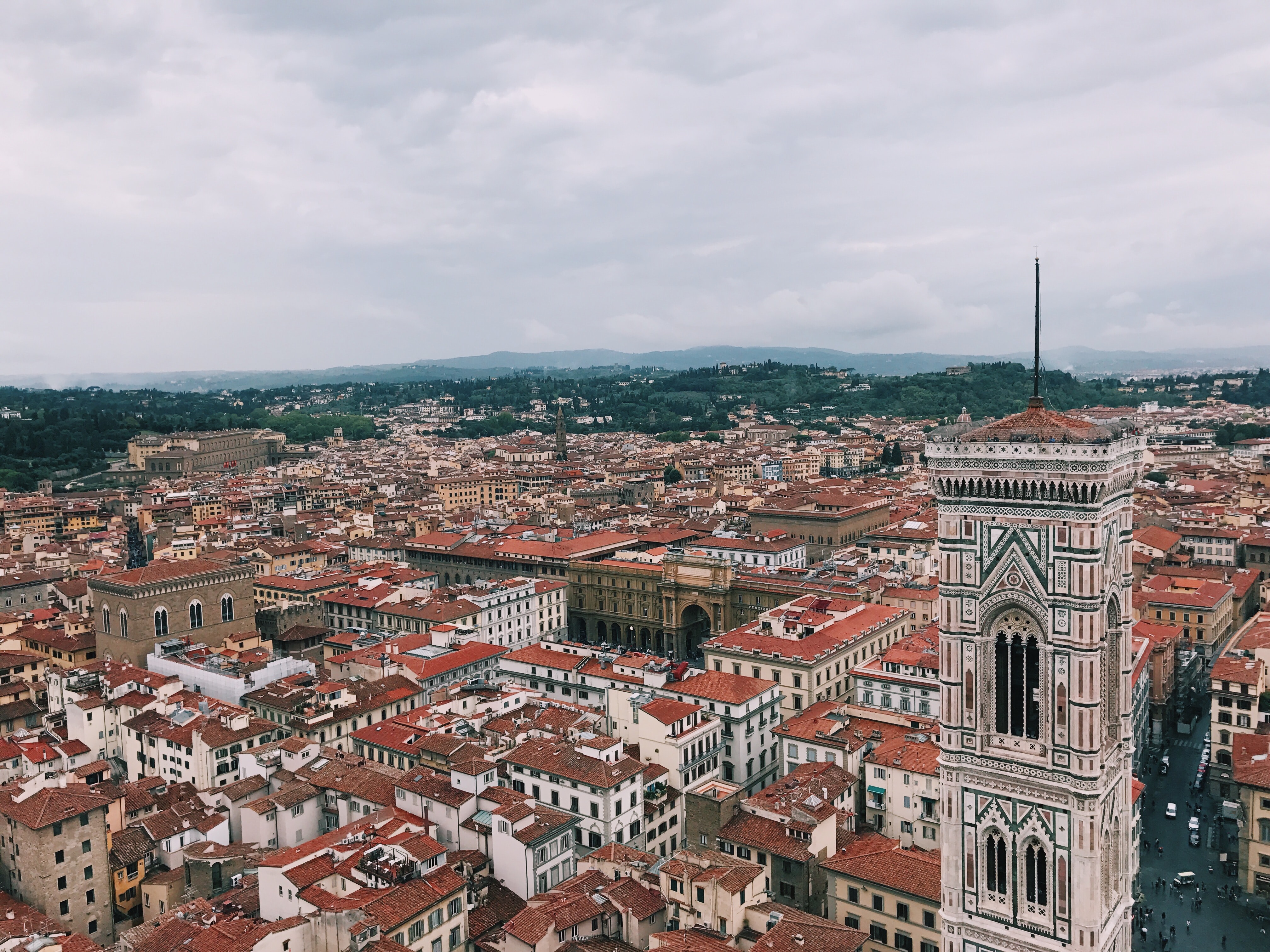
View from the Duomo, Florence, Italy

I am basically an impatient person; a person of action. Multi-tasking comes easy and being in the midst of the ‘action’ is stimulating. My mind works fast! I receive information and quickly sort through it to get to a point of resolution. Making decisions is fairly easy for me. However; through the school of hard knocks, I have learned that impatience, action, quickly assimilating information, multi-tasking, and fast decision making is not always a good thing! In fact, it’s rarely a good thing when, as leaders, we are faced with making decisions that impact those we are called to serve and support.

Many people have heard of the concept ‘balcony view’. It refers to the mental (or physical) action of stepping back and gaining perspective. I first heard about it shortly after visiting the Cathedral of Santa Maria del Fiore, the Duomo, in Florence, Italy. We had spent a few days visiting places like the Galleria Dell’ Accademia and were moved by Michelangelo’s David, an impressive 17′ statue of detailed strength and beauty. We leisurely walked through the Uffizi Gallery, awed by the magnificent paintings by artists such as Raphael, Botticelli, and da Vinci. And of course, we delighted in the many cafés with their delicious pastries and memorable coffee. We quickly learned the difference between al tavolo and al banco pricing! Exploring Florence was such an amazing experience.

After putting on many foot-miles, our final adventure was to climb the 463 steps to the top of the Duomo. The staircase quickly narrowed to a spiral climb – suffocating for a claustrophobic!   

However; once we broke into the warmth of the afternoon sun, we were rewarded with the most magnificent view…Florence from 114 metres! We could trace the path of our explorations, see each location in relationship to others, and even notice places we didn’t realize existed. I think you get where I’m going with this. 

We thoroughly enjoyed exploring Florence, but until we made the climb to the top – to the balcony – it was a series of magnificent, but isolated experiences.

Heifetz/Grashow, and Linsky added to the Balcony View concept by referring to the action of – “moving from the dance floor to the balcony“. We love the  dance floor. We love being at the heart of the action, enjoying the energy of everyone dancing to the same beat. It’s difficult to pull ourselves away, to step up to the balcony and be an observer rather than a participant. But as leaders, we must. But what are we doing on the balcony?

Heifetz and his co-authors suggest three activities in which we need to engage from the balcony: observe, interpret, and intervene.

If you were to ask what we saw from the top of the Duomo, each of us would have described something different — all correct, but different. This is an important part of observing. We look at things through the lens of our personal experience and bias, so when on the balcony our view or perspective is broadened a more inclusive view of what’s happening in the everyday workings of our team or organization. The authors encourage leaders to then move into the practice of interpreting what they have observed. Once more we need to acknowledge the fact that we interpret our observations differently than our colleagues. In my previous blog I introduced the importance of checking assumptions…this is a perfect example of how the practice of critical thinking will enhance how we interpret our observations. In our human desire to get to solutions, we may tend rush through this interpreting stage. Taking time to consider, to ponder, to reflect, will enhance our accurate deciphering of what our senses take in. This pause and will greatly impact the interventions or actions we put forth. Remember, action is the result of decision making. 

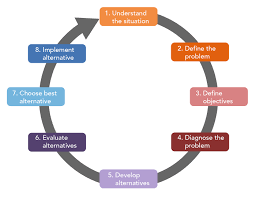
I appreciate how John Dewey approaches decision making. Following a close examination of the situation (as noted above), consideration should be given to possible alternative directions in addressing the matter at hand, weighing the evidence, choosing what is deemed to be the best path, and then taking action. But it doesn’t end there. Leaders need to identify when the decision will be reviewed and potentially altered.

We took 463 vertical, winding, narrow steps to get to the top of the Duomo, a very intentional climb. It would have been foolish to immediately do the return trip without taking time to pause and appreciate the view. And, once we got to ground level again, we discussed what we saw, what amazed us, what we missed seeing in our Florence walk-about, and what we would still do. In other words, we didn’t make the climb only to ignore what we observed. We observed, interpreted, and finally intervened with a new course of action. 

Leaders of people, are you ready for a Duomo experience? It’s truly worth it.     

References:

Heifetz, R. & Grashow, A, & Linsky, M. (2009). The theory behind the practice. A brief introduction to the adaptive leadership framework. Harvard Business Press. https://cambridge-leadership.com/documents/Ch-2-Theory-Behind-the-Practice.pdf

PSDP-Resources and Tools: Moving from the dance floor to the balcony. https://practice-supervisors.rip.org.uk/wp-content/uploads/2019/11/Moving-from-the-dance- floor-to-the-balcony.pdf

University of Massachusetts (n.d.). 7 steps to effective decision making. https://www.umassd.edu/media/umassdartmouth/fycm/decision_making_process.pdf

Photo of Duomo view by Chloe Xie on Unsplash

Leading and critical thinking…blog #85

In my leadership class this week we will be looking at the importance of critical thinking. We hear about it all the time, but fail to realize it truly is one of the most important elements to consider at this time.  I began digging by looking at Stephen D. Brookfield’s book, Teaching for Critical Thinking,and it has certainly created a deeper desire to more analytically consider my own ability to think critically. A word I learned during my Post Grad studies was metacognition. It’s a great word that is packed with so much substance.

“…thinking about one’s thinking. It refers to the processes used to plan, monitor, and assess one’s understanding and performance. Metacognition includes a critical awareness of a) one’s thinking and learning; and b) oneself as a thinker and learner.” Nancy Chick

When we put these two things together, critical thinking and metacognition, something really important begins to emerge. Consider these questions as you continue reading:

  1. Do I engage critical thinking during these times?
  2. What assumptions influence my decisions?
  3. Am I clear on my values?
  4. Who am I focusing on?

So let’s put this in context of what leaders are facing in our current leadership ethos. Not only do they face the challenge of guiding their teams through uncharted waters, but in the process they are expected to learn new tools, new terminology, new ways to motivate and measure performance…I could go on! However; perhaps one of the most challenging aspects of leadership today looks at preserving culture within an organization. Or possibly the question is more about whether there is a culture worth preserving? Or maybe the realization hits that it’s time to consider the health of the culture, or to examine if what was believed (stated) as being the organizational culture is in fact what teams and customers are experiencing?

My intent is certainly not to address organizational culture in this blog (perhaps at another time), but to look at what critical thinking skills a leader needs to employ when examining such matters.

In his writings, Brookfield suggests the purpose of thinking critically is “…so we can take informed actions…not just to survive, but also to live and love well”. Beautiful. In order to do this he states that individuals need to discover what assumptions influence the way they think and act. He then encourages the checking of those assumptions as to whether or not they are valid and reliable. Finally, Brookfield urges that time is taken to envision our assumptions from others perspectives and points of view. All this before any informed action is taken.

But (and there so often is a ‘but’), the ribbon that must run through all of this is: values. What values actually inform our critical thinking. As leaders, do our values encourage critical thinking that leads to decisions and actions that truly are in the best interest of those we are entrusted to serve?

Back to leadership ethos. The American Heritage Dictionary defines ethos as “The disposition, character, or fundamental values peculiar to a specific person, people, culture, or movement.

Moving that into the realm of leadership ethos, we learn that:

Leadership ethos is associated with actions which add value, honour commitments to stakeholders and society…leaders…choose service over self-interest.” Dr. Ken Kalala Ndalamba

Getting back to those guiding questions, let me once again ask, as leaders do we:

  1. Take time to think about how we are thinking critically when navigating and guiding our teams through uncharted waters?
  2. Do we stop to consider what assumptions are influencing our decisions?
  3. Are we clear about, and committed to, the values that guide our actions?
  4. Does the leadership ethos we create result in putting those we serve over self-interest?

Interested in talking more about this? Please feel free to email me, reach out via LinkedIn, or simply comment on this post.

References

Chick, Nancy. (nd). Metacognition: thinking about one’s thinking. Center for Teaching, Vanderbult University. https://cft.vanderbilt.edu/guides-sub-pages/metacognition/

Brookfield, Stephen D. (2012). Teaching for Critical Thinking : Tools and Techniques to Help Students Question Their Assumptions: Vol. 1st ed. Jossey-Bass.

Ndalamba, Ken. (2017). Leadership Ethos and Culturally Oriented Strategic Management: A Conceptual Framework and Research Propositions. Journal of Values-Based Leadership. 11. 10.22543/0733.62.1216.

Photo by Marcel Strauß | @martzzl on Unsplash