Category: Grief

When life changes the story you thought you were writing…blog 147

A Probe & Ponder Newsletter…July Issue

Exploring books, learning, travel, life experiences & adventure with author, Roberta E Sawatzky


Welcome to Issue #5 of my newsletter (AKA blog)

If you’re someone who’s curious, courageous, and eager to grow through fresh ideas, practical writing tips, thoughtful prompts, and real-life reflections, you’re in the right place. Here, I share my ponderings and discoveries with a community of readers and writers who’ve connected with me through my books—and who love exploring how writing shapes the way we learn, create, and experience life. Let’s dive in together.
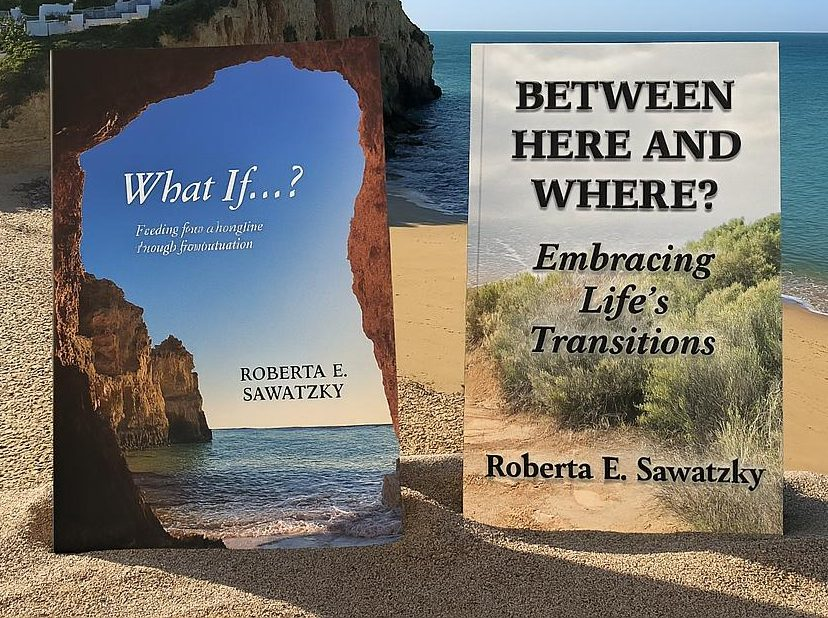
To learn how/where to order my books, click here.

I would REALLY appreciate your posting a review on Amazon or Good Reads if you read either of the books.


What am I up to?

Thinking a lot about turning life’s disruptions and losses into honest words.

Sometimes life hands you a story before you are ready to call it one. At first, it may look like a cancelled flight, a closed road, a diagnosis, a goodbye, a box of belongings, or a plan that suddenly no longer fits. In the moment, you are not thinking about craft or character or theme. You are simply trying to get through what has changed.

But writers have a particular way of returning to moments like these. We circle back, sometimes much later, and begin to ask what was really happening beneath the surface. A change we did not ask for might reveal character. A detour might expose longing. A disruption might uncover humour, grief, resilience, confusion, or a truth we did not know we were carrying.

I want to be careful here. Not every change leads to a better outcome. Some changes are heartbreaking. The death of a spouse, the loss of a child, the end of a relationship, a serious diagnosis, the loss of work, home, or community—these are not detours we neatly reframe as blessings. They are losses. They deserve tenderness, honesty, and time. Writing does not have to make the change good. It does not have to explain it away or tie it up with a bow. Sometimes writing simply gives us a place to tell the truth about what happened, what was taken, what remains, and how we are learning to carry it.

Thinking back…

Many years ago, when our children were much younger, we set out on a family trip to Disneyworld. We were travelling from British Columbia, my brother’s family was travelling from Ontario, and we were all looking forward to being together in the Florida sun. Everything was packed. We boarded the plane. We were ready. Until Hurricane Gordon changed the story.

AI generated
AI generated

Instead of landing in Florida, we found ourselves stranded overnight in Denver, Colorado. We were dressed for warmth and sunshine—shorts, t-shirts, sandals, light jackets—and had no access to our checked luggage. The excitement drained quickly. We were tired, underdressed, disappointed, and very aware that none of this had been in our control.

Then another memory surfaced. Years earlier, while travelling with a singing group, I had celebrated my nineteenth birthday in Denver and had been introduced to Casa Bonita—a wonderfully over-the-top Mexican restaurant complete with food, cliff divers, music, caves, and sopapillas waiting for honey. I had nearly forgotten it. My husband had not.

Before long, we left the hotel, tiptoed through the snow in our sandals, climbed into a taxi, and headed toward a memory I had not expected to share with my family. Was it exactly as I remembered? Not quite. Was it cornier than my nineteen-year-old self had noticed? Absolutely. But it became part of our family story. The trip had not gone according to plan, yet the interruption offered something unexpected: a chance to connect my former life with my present one.

That is one of the gifts of writing. We can return to an experience and ask different questions of it. Not only, “What happened?” but “What did this change in me?” “What did I resist?” “What still hurts?” “What surprised me?” “What detail has stayed with me?”

The gift of writing…

Whether you are new to writing or have been writing for years, your life is already full of beginnings, turning points, detours, ruptures, and unresolved middles. Some changes arrive gently. Others barge in uninvited. Some are chosen; others are forced upon us. Some bring opportunity. Others bring sorrow. Either way, they leave us with something to notice, name, and perhaps one day write.
AI generated
AI generated

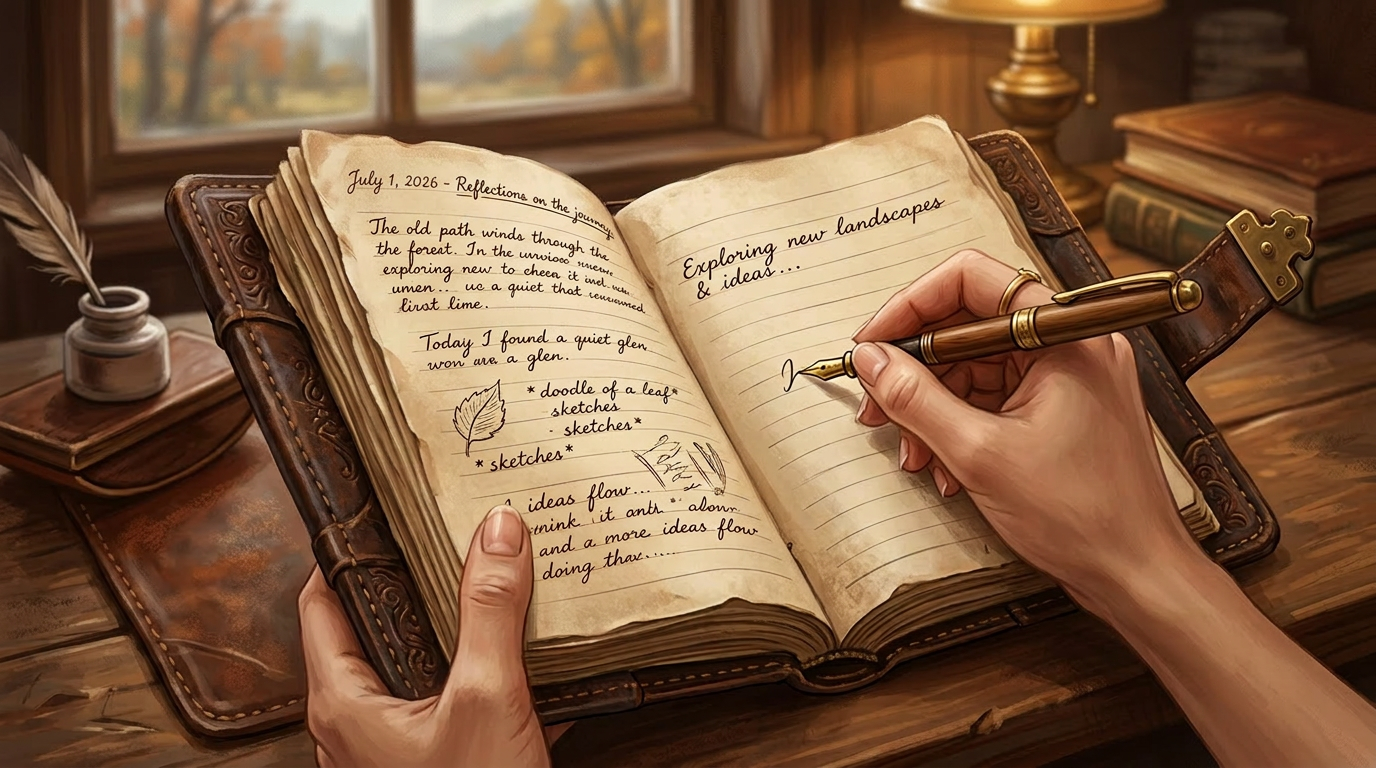
For me, journalling is often the first place the truth begins to loosen. I can write without polishing, explaining, or deciding what the experience means. I can simply tell the page what happened, what I felt, what I resisted, and what I am still trying to understand. That may be where writing begins for you, too. Or perhaps your path is a blog post, where your experience might offer companionship to someone standing in a similar place. Or maybe it becomes a short story, where you give the change to a character and see what they do with it. Each form gives the experience a different kind of room.

Think about..

  • Recall a change you did not welcome. What did it disrupt, reveal, or ask of you?
  • Ponder the physical details of the moment: weather, clothing, sounds, smells, objects, body language.
  • If there was a turning point, where did it happen? If there was not, what remains unresolved?
  • Consider what the experience still needs from you: attention, compassion, distance, imagination, or simply silence for now.

Not every disruption becomes a neat lesson, and not every change needs to be redeemed. But when you are ready, writing can help you look again. It can help you notice the cliff divers in the middle of the snowstorm, the humour tucked inside the inconvenience, or the ache that still deserves language.

So, what change in your life is asking—not demanding, just quietly asking—to be written?

A practical first step (a writing prompt):

Choose one change—large or small, welcome or unwelcome—and give yourself ten quiet minutes to write about it. Don’t worry yet about making it polished, profound, or publishable. Begin with one honest sentence: This is what changed. Then see where the writing takes you.


Books…

I usually have a few books on the go at once: an audiobook for listening on the move, a memoir or life story for the pleasure of stepping into someone else’s experience, and a book that helps me think, reflect, and grow.

Audiobook (I love Libby!): I love the writing of C.J. Archer. Her stories, often set around 1890, draw me into a richly imagined version of old England, complete with class systems, atmosphere, and memorable recurring characters. Archer has a gift for painting a scene with words and making the reader feel invited into the world she has created. The books I have been listening to are murder mysteries, but what keeps me coming back is the warmth and development of the characters.
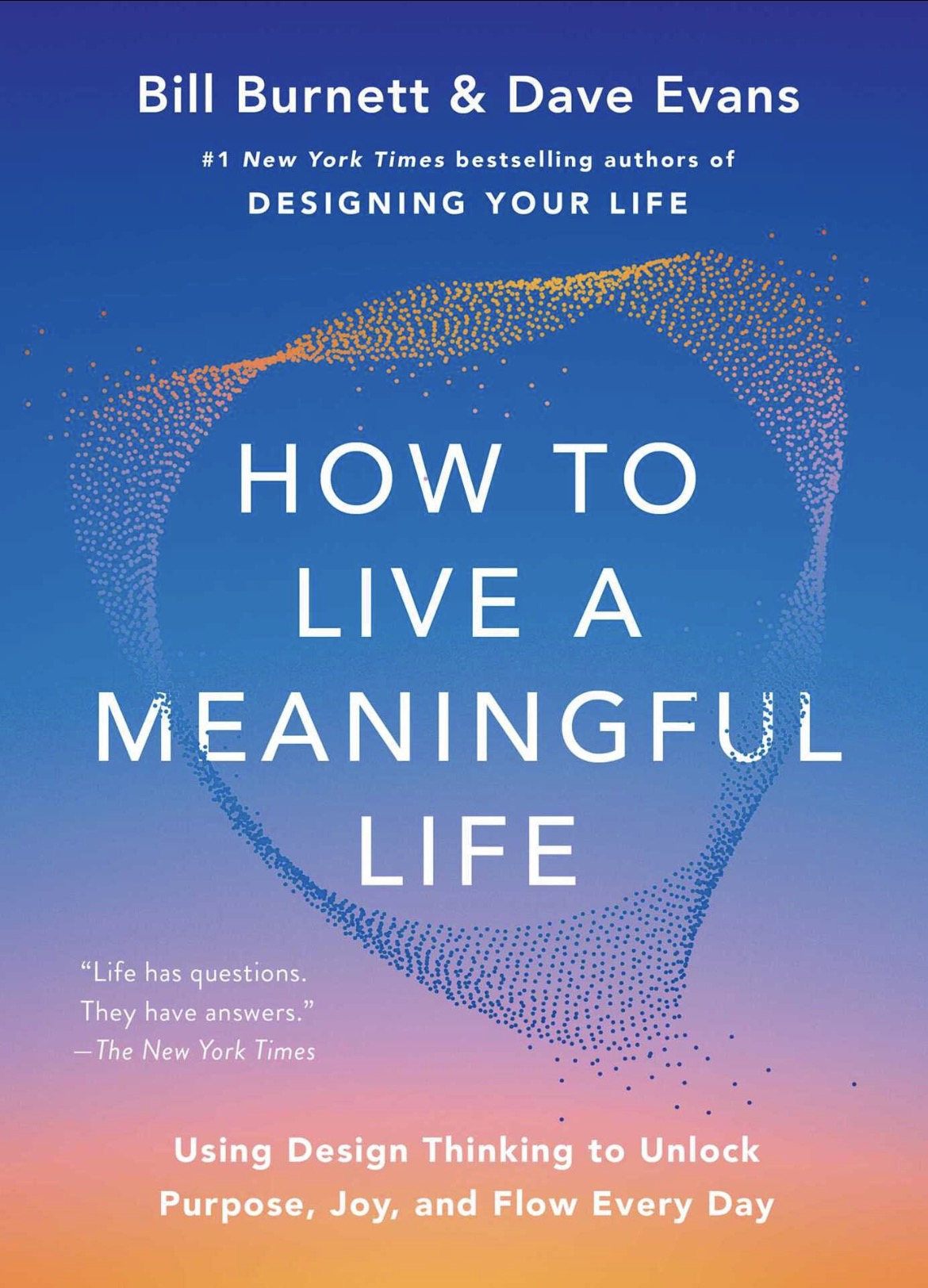
Growth book: How to Live a Meaningful Life Using Design Thinking by Bill Burnett and Dave Evans
Here is a quote from the book that stayed with me: “…you can’t be fulfilled (i.e. have every aspect of your personhood fully expressed and appreciated, because you are too big to fit into a single lifetime). However, you can be fully alive, which mean completely present for and fully experiencing the life you are in right now.”

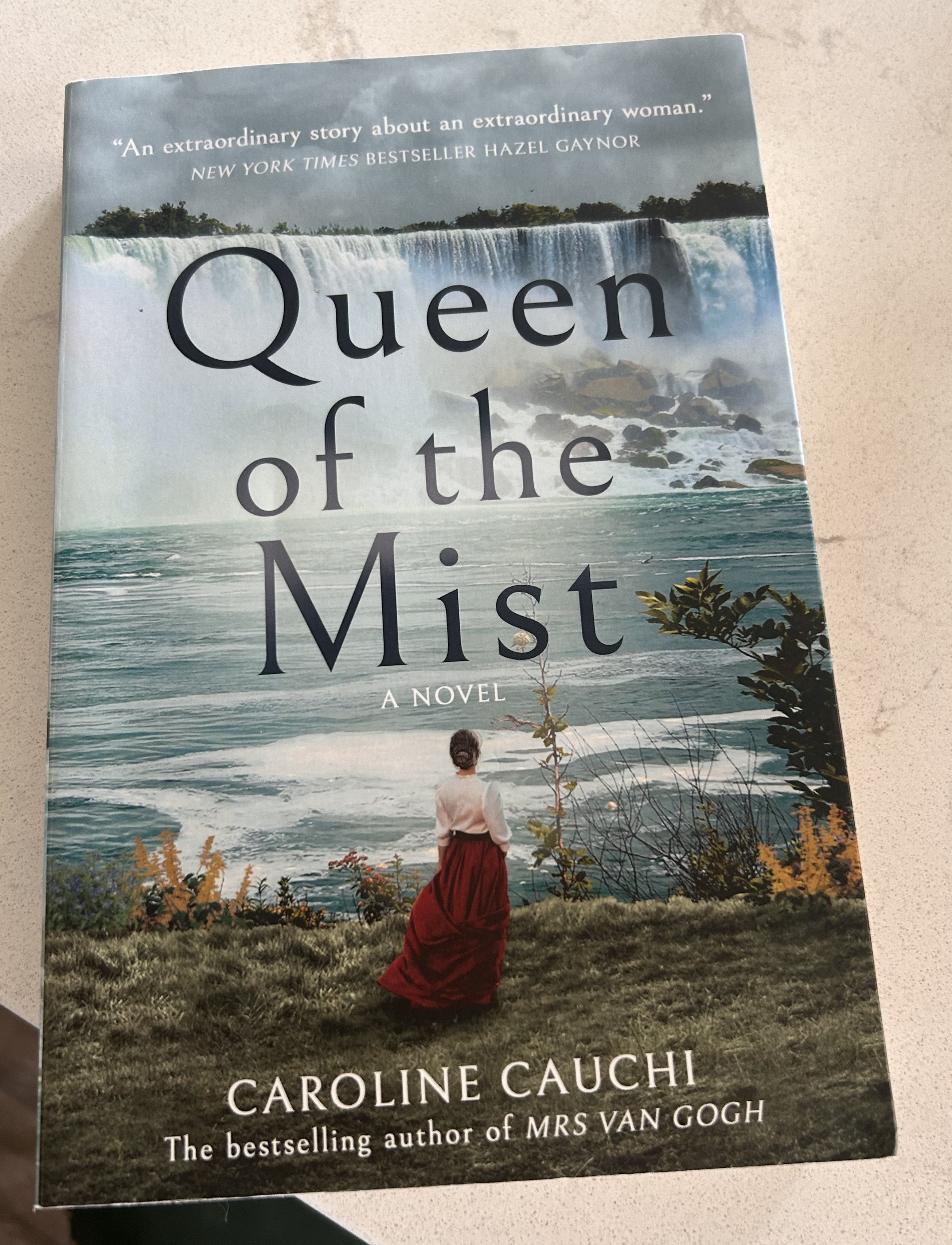
Life story: Queen of the Mist by Caroline Cauchi. I am still reading, but so far it is engaging and has the kind of narrative pull that makes me want to keep turning the pages.

Podcasts…

I listened to a great podcast this past week. It was the April 13th episode on The Written Word Podcast titledFrom Page to Stage with Jess Ekstrom: How to Get Paid as an Author Speaker.” As someone who loves speaking and presenting in all contexts, I found this a wonderful encouragement to consider speaking as an additional income stream to writing and selling books. In fact, it is actually a wonderful marketing tool for selling books. Give it a listen and let me know what you think.

The second podcast to recommend comes from The Write Place, release date April 17th. This podcast is called “From Traditional to Self-Publishing: Nikki Moore on Becoming a Hybrid Author”. Niki has published for years with HarperCollin, and decided to “take the leap into self-publishing” with her new novel Magical Beginnings in Little Bowbrook.

A third I’d like to share is from the Fully Booked Ep 139: The Reality of Selling Your Books Directly. They come from the premise, “…instead of having your book on Amazon and you advertise your book and send people to Amazon, you host it on your own website.” An interesting listen.


Some final words…

C. Joy Bell C.

“We can’t be afraid of change. You may feel very secure in the pond that you are in, but if you never venture out of it, you will never know that there’s such a thing as an ocean, a sea. Holding onto something that is good for you now, may be the very reason why you don’t have something better.”
When writing goes quiet ~ blog 146

A Probe & Ponder Newsletter…March Issue

Exploring books, learning, travel, life experiences & adventure with author, Roberta E Sawatzky


Welcome to Issue #4 of my newsletter!

If you’re someone who’s curious, courageous, and eager to grow through fresh ideas, practical writing tips, thoughtful prompts, and real-life reflections, you’re in the right place. Here, I share my ponderings and discoveries with a community of readers and writers who’ve connected with me through my books—and who love exploring how writing shapes the way we learn, create, and experience life. Let’s dive in together.


What am I up to?

There are seasons when writing feels like movement, with pages accumulating, ideas connecting, momentum building.

And then there are seasons like this one. I’ve been asked, gently and often, how the writing is going. I understand the question. I’ve asked it of others myself. But the answer doesn’t land easily these days, because it isn’t really about productivity or progress.

It’s about presence.

This season has changed the way my attention works. Grief has a way of narrowing the field, of quieting what once felt urgent, of asking different questions altogether. I haven’t stopped writing—but the writing has slowed, deepened, and turned inward in ways I didn’t anticipate. For a while, I told myself I was stuck.

Now I see something else. A familiar space, entered again.

When I look back on my two books, I see a thread that has been weaving quietly for years.

What If…? was born in a season of uncertainty…traveling with obstacles, living alongside illness, choosing curiosity when circumstances refused to cooperate. That book asked a brave, outward‑facing question: What if we go anyway?

Between Here and Where came from a different place. It lingered in the space of transition, change that is forced or chosen, the loneliness of thresholds, the grief that accompanies becoming someone new. It wasn’t about answers so much as about staying present in the in‑between.

What I’m living now is not separate from that work. It is its continuation.

The difference is that this time, the transition has taken my husband with it.

This season doesn’t respond well to pressure. The kind of writing it allows is not linear or ambitious. It arrives in fragments, in memories, sensations, and half‑formed sentences that don’t yet know where they belong.

Some days, writing looks like a single paragraph. Some days, it’s a page I don’t keep. Some days, it’s simply sitting long enough for something true to surface. From the outside, this can look like avoidance. Like a lack of motivation. Like a creative block that needs fixing.

From the inside, it feels like listening.

I used to believe deep writing meant digging harder, about producing more, pushing through resistance. Now I’m learning that deep writing sometimes means staying exactly where you are, without rushing the process, trusting that silence is not empty but active.

The Work of the In‑Between

In my second book, I wrote about the ‘between’, that space where clarity is suspended and identity is quietly reshaped. I described it as painful, lonely, often joyful, and yet necessary.

I didn’t know then how fully I would come to inhabit that definition again. You see, grief rearranges attention. It changes what matters, how time feels, and what the body can hold. The work of this season is not to arrive somewhere quickly, but to remain honest while something new takes shape.

I think that honesty matters more to me now than momentum.

If you’re reading this and finding yourself in a similar place—unmotivated, unfocused, unsure what happened to the version of you who once thought and created with a certain degree of ease, here’s what I’m reminding myself:

I’m not behind. I’m not broken. I’m not failing my work.

Some seasons are meant for asking What if? Some are meant for waiting between here and where. And some seasons ask us simply to be present, to listen, to trust that what feels quiet now is still part of the story.


Books & Podcasts

Podcast:

Are you concerned about the use of AI in your writing? What’s the difference between AI assist and AI generated? I found this podcast episode to be quite helpful in understanding the proper role of AI in our writing. The Podcast is “Fiction Writing made easy”, and the episode I am referring to is #236, entitled “The truth about AI and creative writing”. Listen along as host Savannah Gilbo interviews Ana Del Valle, award-winning novelist, technologist, and founder of the AI Creative Writing Academy.

Here are some valuable thoughts from the interview:

AI Generation is when you’re essentially asking AI to write the book for you. You hand it an idea, it drafts scenes and chapters, and before long, ChatGPT is doing all the heavy lifting while you’re just reviewing and tweaking.”

“AI Assist is something completely different.” Ana describes it as “using AI throughout the entire life cycle of writing your novel, but you are always the one in the driver’s seat. You might use it to brainstorm subplots, test your story’s structure, explore character motivations, or use it as a kind of developmental editor that gives you feedback. The AI is never writing the story. You are.”

Books:

I’m still making my way through “Living the Artist’s Way: An Intuitive Path to Greater Creativity”. The book focuses on what author Julia Cameron calls the ‘fourth essential tool of writing’. If you have read any of her books, you’ll know those tools are: morning pages, artist dates, walks, and the 4th, writing for guidance. As with her former books, Cameron lays out Living the Artist’s Way like a six-week course, each week having an action step. My approach to the book is to read it through, then go back and practice the weekly lessons. I like knowing where I’m heading with a book like this. In the next newsletter I should have read the book, and if so inspired, have started the suggested exercises. Stay tuned.


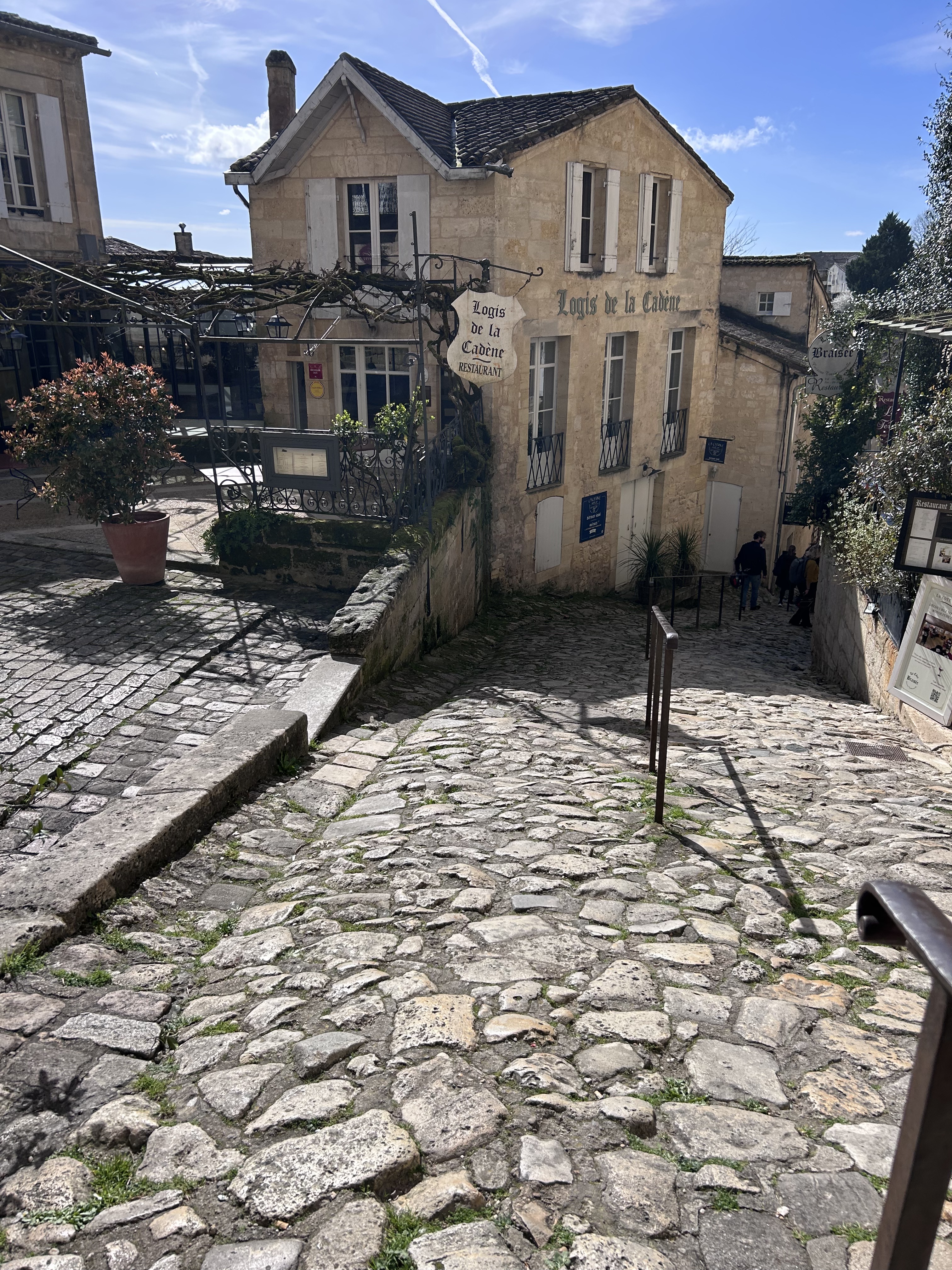
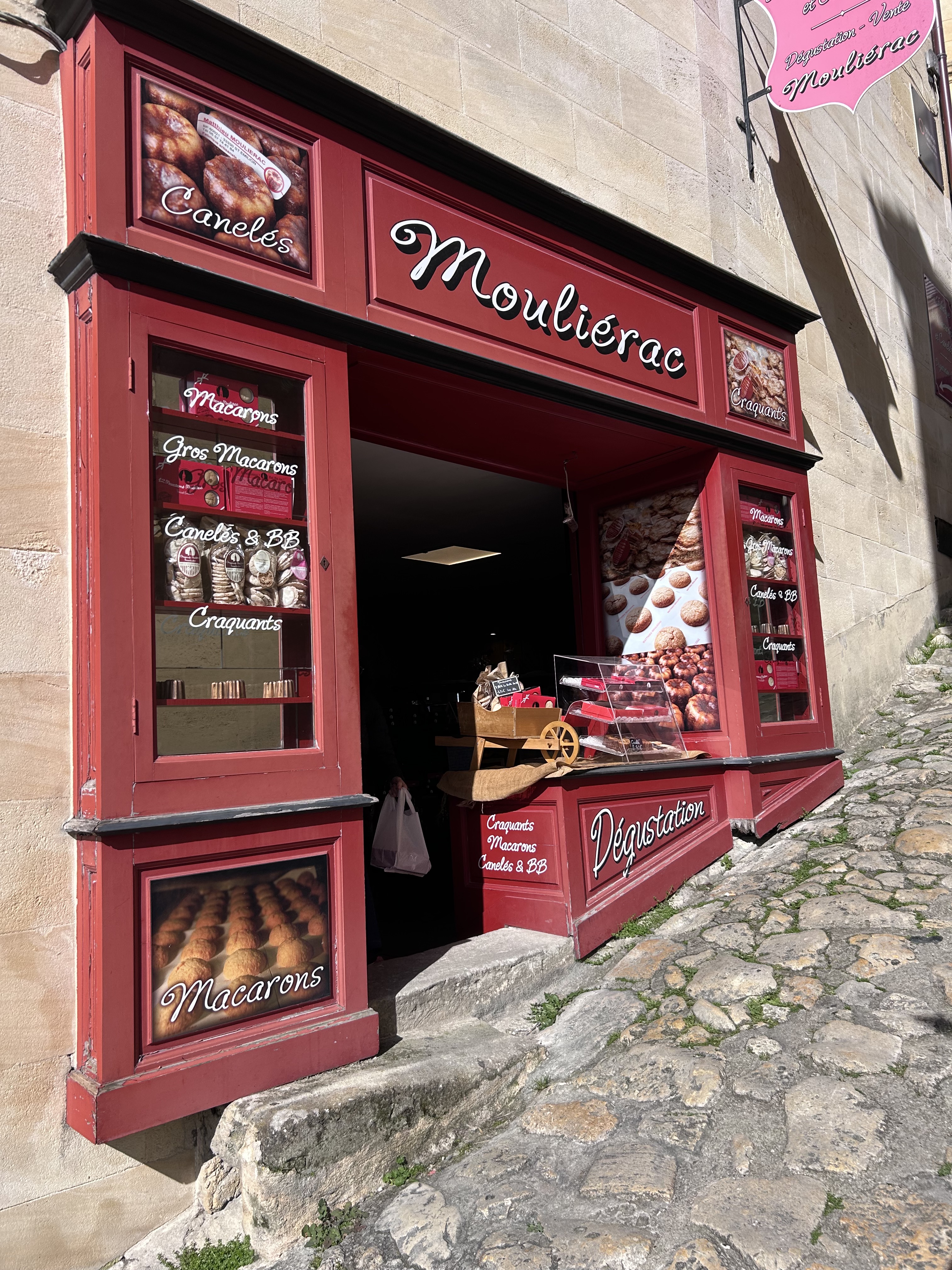
St. Emillion in France…a recent visit while presenting at an International Business Week. One feels inspired just walking the streets while being drawn into it’s history. (This is the village where the macaron originated.)

Tips for giving yourself a break…

Shift Your Perspective on “Productivity”: In my previous blog, I mentioned Karen Wyatt’s insight about writing as a tool for dealing with change. When you’re grieving or stuck, your “logic brain” often takes over, trying to force a result.

The Fix: Stop trying to write the next book for a moment. Instead, use your daily journaling to “witness your own grief” or lack of motivation without judging it. As Julia Cameron suggests in The Right to Write, view writing as a conversation, not a performance.

Lower the Stakes: The pressure of the “first word on the page” for a new book can be paralyzing, especially since if your previous writings came with clarity.

The Fix: Try the “Question Method” referred to in my previous blog. End every writing session (be it a chapter, paragraph or journal) with a single question for tomorrow. This bypasses the “blank page syndrome” because you aren’t starting a book; you’re just answering a question.

Change Your Sensory Environment: Sometimes the “stuck” feeling is physical.

The Fix: If your usual writing spot feels heavy, move. Go to a library, a park, or even just a different chair. For me, I enjoy going to a local cafe where the people ‘buzz’ gently seeps through my ear buds and creates a soothing environment.

Lean into the “Waves”: My most realistic saying… “Grief is like the ocean; it comes in waves.” Creativity is exactly the same.

The Fix: Accept that this is an “ebb” tide. Instead of fighting the low motivation, use this time for “Creative Refilling.”


Writing Prompts (pictures from travels):

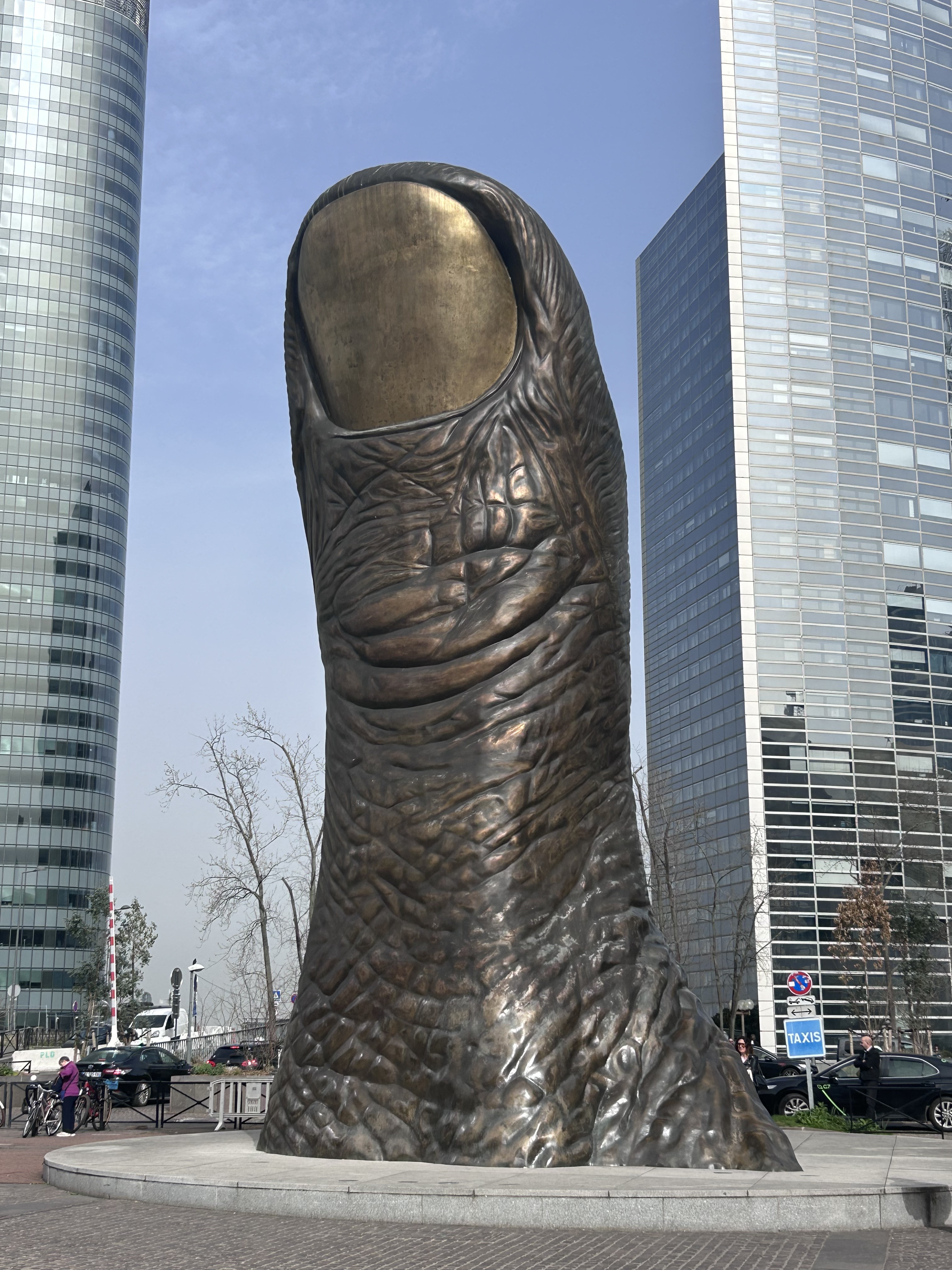
How might a statue (Le Pouch, in Paris), a broken suitcase, or a plate of deliciousness help you express how you feel?


And slowly, I understood—
even if grief someday grows quieter,
the love behind it will never leave.
Because you are still gone,
and part of me will always miss you.
But sitting with grief?
It’s how I honor what was real. –

Author unknown


My books: For ordering and book information visit my website.

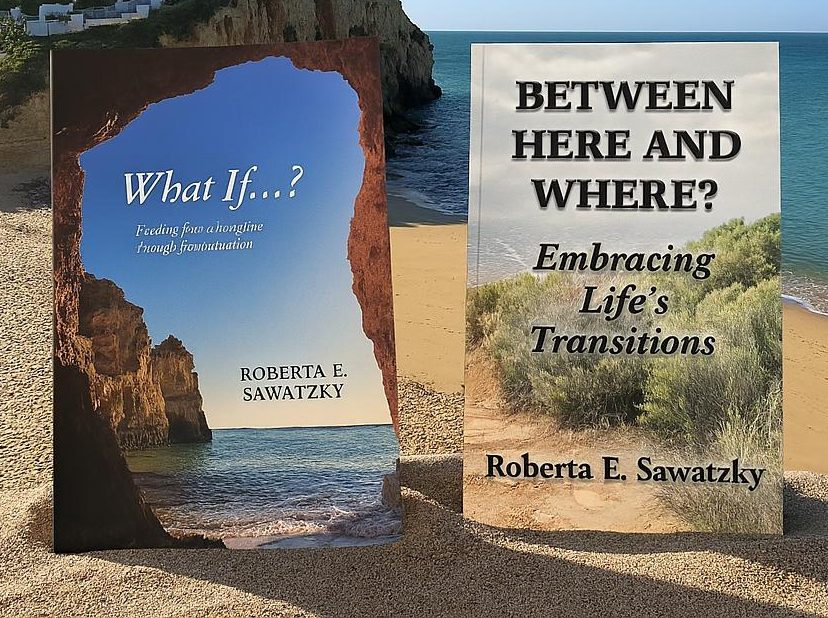
What If…? Finding new adventures through life’s obstacles

Between Here and Where? Embracing life’s transitions.

Writing through grief ~ blog 145

A Probe & Ponder Newsletter…February Issue

Exploring books, learning, travel, life experiences & adventure with author, Roberta E Sawatzky


Welcome to Issue #3 of my newsletter!

If you’re someone who’s curious, courageous, and eager to grow through fresh ideas, practical writing tips, thoughtful prompts, and real-life reflections, you’re in the right place. Here, I share my ponderings and discoveries with a community of readers and writers who’ve connected with me through my books—and who love exploring how writing shapes the way we learn, create, and experience life. Let’s dive in together.


“One of the things I love about writing is it’s a place you can witness your own grief.”
—David Kessler


What am I up to?

It’s amazing how life can change in a moment. From reading my books, you will know that my husband of 47 years had been dependant on kidney dialysis for the past five years. This, combined with lymphoma offered many life challenges. However, because of his amazing and positive attidude, combined with my determination, we enjoyed much travel and adventure until travel became medically impossible for him. On January 7, his body finally had enough and my husband passed away. His final days were surrounded with family and friends, as together we expressed our love for Rob and for each other.

My writing has taken on a new focus for now. Actually not new, just more intentional. You see throughout our lives, Rob and I talked about everything; we texted or called each other often throughout the day, talked about the joys and challenges each of us was facing, and shared our dreams for the future (mostly as we walked or biked to our favourite coffee shops). We shared our lives while still honouring each other’s space. You can imagine the impact when this connection is no longer possible. At least not the way it had been.

I have been a journaler for quite a few years, more so in the past five years since his original diagnosis. The jouralling was a record of my own reflections on life. However, my journal entries are now written to Rob. It’s not the rich two-way conversation we so enjoyed, but it is a way for me to share my struggles, my grief and pain over his passing. It also allows me to tell him about what I’m reflecting on and how I want to live my life in a way that honours him.

Travel has always been one of the great shared joys of our life together. It was important to Rob that I continue exploring the world, even after him. Still, it feels almost impossible to imagine travelling without him by my side.

Recently, while listening to a podcast interview with Mary-Frances O’Connor, author of The Grieving Body, I heard words that settled gently into my heart:

That is how I want to travel now. Not away from him, but with him — through the ways he shaped how I see, notice, and cherish the world. And each evening, before I turn off the light, I will continue filling the pages of my leather journals with all the things I get to do because my life was shaped by his love.


Books & Podcasts

Podcast:

A podcast I continue learning from is The Creative Penn with author Joanna Penn. This specific interview is with physician and author Karen Wyatt as they discuss Writing as a Tool for Grief and Dealing with Change. Throughout the discussion they talk about different types of grief we experience, addressing topics like: why write about grief and end of life; using writing to deal with the complex emotions around grief; and transforming personal writing into publication. Wyatt also shares how journalling her thoughts during a time of grieving helped her get out of her logic brain and awaken the creative side of the brain. Wyatt shares,

I’m sure you’ll find the episode inspiring, no matter what kind of loss you may be experiencing

Books:

As I listened to the podcast with Karen Wyatt, I was reminded about author Julia Cameron. One of her books I thoroughly enjoyed was “The Right to Write: an invitiation and initiation into the writing life.” I read it early in my writing experience and have begun to reread it. One of the thoughts expressed in the book spoke to me as I continue to engage in journalling,

By the way, I just ordered her latest book, released in 2024, called “Living the Artist’s Way: An Intuitive Path to Greater Creativity”. In my next newsletter I’ll let you know my thougths on it.


Where my deepest thoughts happen…

Tips for Writing Through Your Grief

(all from a great article in Psychology Today)

  1. Identify a set time of day to write, and put it in your calendar as you would any other appointment.
  2. Get a beautiful journal if you write with pen and paper. Make some tea, light a candle, snuggle under a cozy blanket…whatever you need to create an inviting space.
  3. Don’t be judgy. Write what you feel. Remember that nobody else will see what you write unless you want them to.
  4. Enlist a writing buddy. If going solo doesn’t work for you, invite a friend and hold each other accountable.
  5. End each writing session with a question you’re going to respond to on the next go-round. That way you’re never faced with a blank page.

Writing Prompts (pictures from travels):

Think about how each of these picture prompts might inspire you to complete the sentence: “Grief is like…”


    Grief is like the ocean; it comes in waves, ebbing and flowing. Sometimes the water is calm, and sometimes it is overwhelming. All we can do is learn to swim.” – Vicki Harrison


    My books: For ordering and book information visit my website.

    What If…? Finding new adventures through life’s obstacles

    Between Here and Where? Embracing life’s transitions.