Author: Probe 'n Ponder

Remote work and motivation…

Mid October and I am full into teaching again at the Okanagan School of Business. That means my scholarly/academic hat is on, but always tempered with ‘why?’ and ‘so what?’ questions (from myself, to myself). One of the topics we explore is motivation; what causes people to do what they do? How do you move people from solely working for a pay check (we all still need that), to also working towards contributing to something greater than themselves? This doesn’t have to be solving world hunger, or obliterating child exploitation (although these are right up there in the hierarchy of importance). Most great organizations have a cause, a reason to exist, a purpose, a why?, that fuels the motivation for their people to see beyond the day to day tasks.


Maslow’s Hierarchy of Needs is one theory that we offer up to our students…the ultimate level being self-actualization. Meeting the needs of our employees should be foremost in the minds of all managers, something that those working with remote workers need to pay special attention to. This issue was well addressed in an article by Yonder ‘What Does Maslow Have to do with Remote Work?
Self-actualization is great, but for me it has always come up short…it feels rather self-focused and self-centred. Needless to say I was intrigued when presented with the idea that Maslow’s later work actually added a 6th level…Self-less Actualization. This moves the individual from self fulfillment, to helping others realize fulfillment.
Koltko-Rivera (2005) sums it up as

“At the level of self-actualization, the individual works to actualize the individual’s own potential [whereas] at the level of transcendence, the individual’s own needs are put aside, to a great extent, in favor of service to others …”

Ok, a little heavy for a blog on supporting remote workers…I get it, but stay with me on this. If the greatest level of motivation happens when we take the reality of who we are: the gifts, talents, and strengths we have, and use those for the betterment of others, then we immediately realize the importance of also helping our remote workers be able to connect with and contribute to a cause outside of their need for connectedness, trust, or communication. What does that look like? Is it possible to measure that for success, and not simply performance outputs and deliverables?

This challenges and expands the traditional scorecard…how do we measure a worker’s contribution to the growth and well-being of others?

So what have I learned so far about remote working…

For the past 5 months I have been looking into the area of remote workers…I have learned much and I know I have only begun to scratch the surface. So, as summer comes to a close I want to hit pause and reflect on what I have gleaned so far.

  • Remote work is alive and well across all industries, in all sizes of organizations from start ups to those that are well established.
  • Remote work is not a ‘fad’…it’s here to stay and will only grow in it’s reach and impact.
  • People are at the centre of a successful remote workforce
  • Many reasons exist for people to choose this form of work: freedom, flexibility, increased productivity, and greater opportunity for creativity to name a few.
Unsure of the destination, but the journey is delightful!
  • There are also challenges inherent to working remote: limited communication, lonliness, poor or limited technology, time management, self discipline, focus …however, each can successfully be overcome.
  • Trust is the key ingredient that will make or break a successful romote working arrangement.
  • Communication needs to be intentional and customized to each situation.
  • Face to face interactions still need to happen, even if only once every 6 months.
  • Distributed vs co-located work arrangements does not necessarily mean organizations will save money…that can’t be the motivation.
  • Organizational fears that remote workers will slack off is unfounded; research actually shows the opposite is true…remote workers have a tendency to over-work.
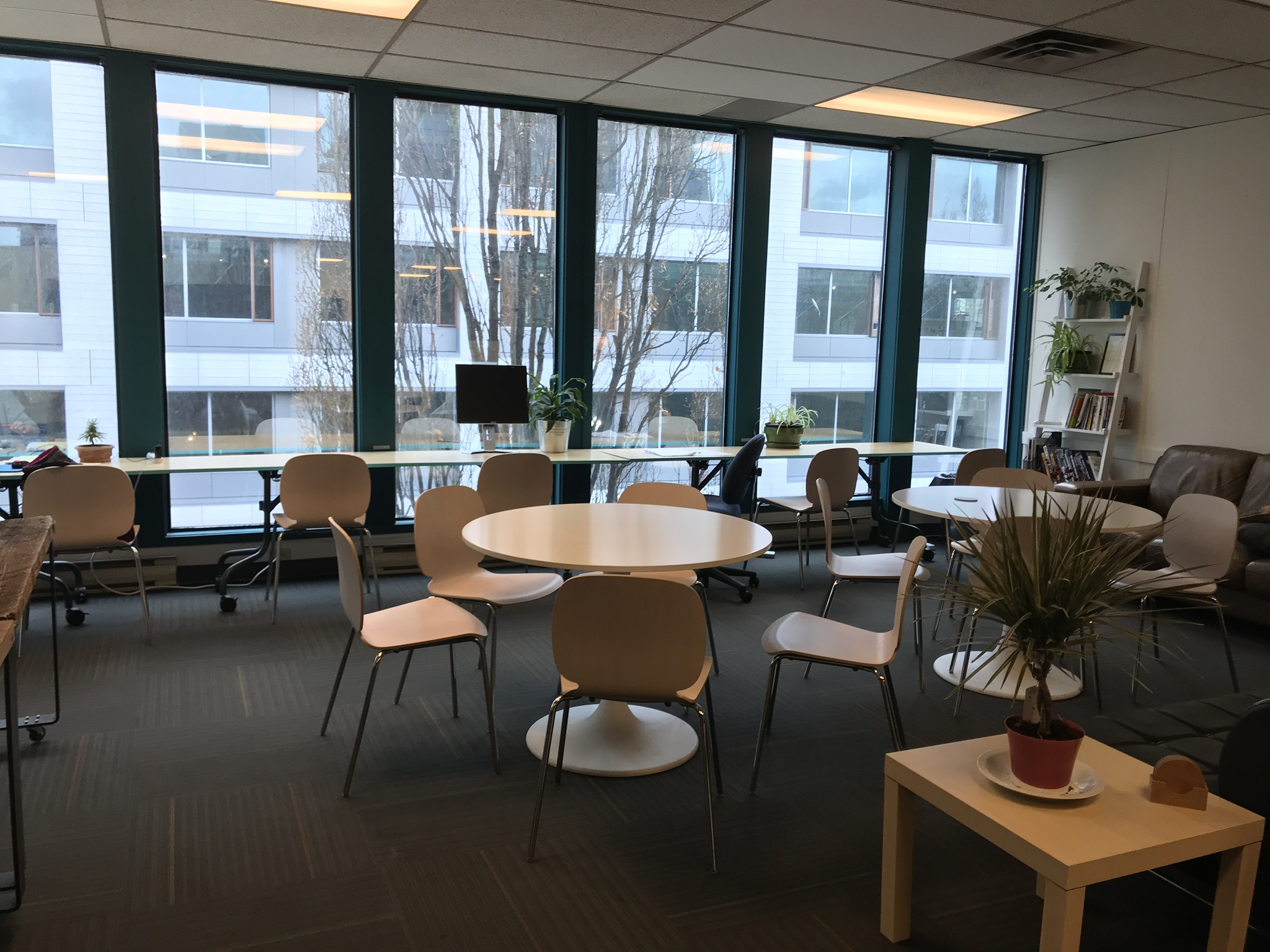
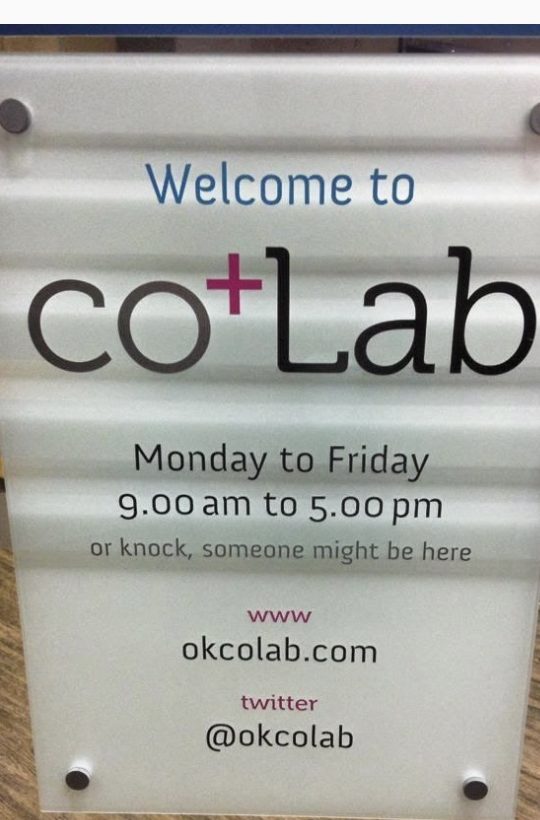
  • Great locations like Co-Lab in Kelowna are available around the world so that remote workers (and those amazing digital nomads) have a place to connect and collaborate.
http://okcolab.com
  • The resources available on this topic are excellent…people continue to learn, to perfect, to mentor, to share, and to dedicate their efforts to support others entering into this exciting world of remote work.
  • Working remote is not for everyone…and that’s ok.

So where do I go from here? I keep learning, keep experiencing, keep asking questions, and do whatever I can to share what I learn with those who want to know.

Some ideas? Continue to include this critical aspect of work with my business students (both in class and on-line); create a case study on the topic; be a resource to managers transitioning from supporting co-located teams to supporting distribute teams…pretty exciting from where I sit as a remote worker, business coach, and professor

Remote Working ~ Intentional Communication

According to Jeff Robbins with Yonder,

All communication needs to be intentional.

Seems fairly simply and straight forward…but is it?

Think about it…how much time do we honestly put into choosing our words? To be fair, some of us take time to measure and analyze our thoughts before giving voice to them while others are more apt to give voice and then reflect…or not!

In face to face interactions, even though our thoughts have been voiced, we generally have the opportunity to ‘take back’, or clarify as soon as we realize the message was not received in the manner intended. Not so easy to do when communication is shared through virtual channels.

Not only do we need to pay attention to the content of our messages, but also to the channel, the breadth of who receives the message, the frequency of communication, and the amount of information shared.

Working remotely, or virtually, calls for excellence – and intentionality – in communication. In fact, it can be our life line to clients, colleagues, contractors, and bosses! So how can we ensure that we are communicating to the best of our ability…and beyond? How can we be so intentional about our communications that ‘delete’ is not the first reaction when our name shows up on someone’s screen?

I believe this can be as simple as 4WH…yup, the old who, what, where, why, when, and how. Let’s build that out…

It's for you!
It’s for you!

WHO addresses the receivers. Who needs the information that I am communicating? Who really needs to be included in the communication? Do I honestly need to hit ‘reply to all’?

WHAT considers the core or content of the message. What is the most important information that needs to be communicated?

WHERE thinks through the location of both sender and receiver. Where should each be when the communication takes place. Does the communication call for interaction that is best suited for a phone call, FaceTime, or Skype? Is privacy of utmost importance? Is dependable internet vital? Should there be limited noise?

WHEN pays attention to the timeliness of the communication. When does this information need to be communicated? When does the receiver need to receive this material: Immediately? By the end of day? No urgency at all? I like this excerpt from Fried and Hansson’s Remote: Office not Required

Questions you can wait hours to learn the answers to are fine to put in an email. Questions that require answers in the next few minutes can go into an instant message. For crises that truly merit a sky-is-falling designation, you can use that old-fashioned invention called the telephone.

HOW thinks about the channel of communication. How can I communicate this information in the most concise manner without compromising the content, urgency, sensitivity, or clarity?

WHY…perhaps the most important question of all. Why am I sending this message? What is the purpose? What is the expected outcome? What is my motive?

When you think about it, we can think through each of the 4WH filters in a very short amount of time, but the result of doing so will have long term benefit. Ready to give it a try? Ready to be intentional in your communication?

Remote workers – trust & face to face

In my previous blog, I discussed how trust is a valuable and oft times rare commodity that doesn’t happen by accident. Rather, it is the result of intentional and focused effort, and a willingness to dedicate time to create such relationships. I also listed 5 challenges faced by remote workers as identified by Jeff Robbins, the first of which was the lack of non-verbal communication. This, I would suggest, can be a barrier to building trusting relationships with clients, and managers.

Face to face connection by the Baltic Sea!

As I speak with both remote workers and their managers, a common piece of advise offered is, whenever possible, build in face to face time before the hire, during the process, and on an on-going basis after the contract has been signed. Yes, this adds to the financial cost of doing business, but it is money well spent in order to build a solid foundation of trust.

We are aware of the importance of non-verbal communication. Peter F. Drucker has been quoted as saying

“The most important thing in communication is hearing what isn’t said.”

The importance of non-verbal communication‘, a blog created by ethos3 provides excellent insight, and tips, on how to increase your non-verbal communication when speaking in public…presenting, negotiating, leading meetings, in fact anytime you are face to face and wanting to clearly communicate both a message and build trust with your listeners.

Let’s put this into the remote context. If this can be accomplished when we are face to face with others, how can we replicate it if the situation does not allow for such interactions? (The academic in me feels the need to provide you with further research into this.)

The right tool can make any place your virtual office

While there may not yet be a substitute for pure face to face, the addition of a Skype, FaceTime, or video conference call can increase the likelihood of connecting on such a level, providing a  starting point on which to build a trust relationship. (Good site for virtual meeting tools)

When in the recruiting and selection process, the difference in a person from what I have imagined through cover letters, resumes, or even phone conversations, to when we actually meet face to face in an interview never ceases to amaze me. Not only does a face to face interaction remove the screen that can hide the tell tale signs of exaggeration, or dare I say, out right lies, but it can provide a lovely opportunity that opens the door to connect on a level that lets me see the gem shrouded on the pages of documents submitted. It would be a mistake to think that because you’ve had this f2f connection, you’ve covered all the bases…three months down the road you may again see an even different person! However, this is a great first step that is crucial for subsequent interactions that will result in a successful, right-fit hire.

A commitment to building trust through face to face doesn’t end once a connection has been made…it needs to be fostered in order to realize continued growth and development. In a conversation with Clint Schnee  (founder & designer UXperts), he shared from his remote worker management and support experiences. His advise? “Following initial on-boarding face to face interactions, the maximum amount of time to wait between such times is 6 months.” This applies no matter where the employee is located around the world. He went on to say that “any longer than that and you will see the attrition and turnover rate greatly increase”.

While challenging, I do love the fact that as humans we still thrive when in face to face community with others, making those trusting connections…a practice worth striving for and fostering.

Remote workers—trust and communication skills

You don’t get too far along in the discussion of trust-building before hitting on the importance of communication: verbal, non-verbal, written… and the channels used to convey the desired message. A message delivered effectively can provide the platform on which trust continues to be developed; however, a message miscommunication can create barriers, misunderstanding, and even offense that could lead to the shredding of progress made along the road to trusting relationships.

Kavi Guppta, a self-declared digital nomad, in a recent webcast “How to survive work in the 21st Century”, spoke about his ‘Holy Trinity Model’…skills you need to master no matter the job. Communication makes the top three:
– Organization: time management, billing, get jobs…
(How organized are you?)
– Process: how you do the work (music, selling shoes, cooking…)
(How well do you implement an idea?)
– Communication skills: how to talk to all involved in your work…all stakeholders.
(How well do you communicate that idea?)

Jeff Robbins – PIAF: Management Distributed (Yonder), speaking in the same webinar addressed the communication challenges faced by distributed teams and remote workers. They are:
– Very little nonverbal communication
– All communication needs to be intentional
– Most communication is archived (forget the delete button!)
– Very asynchronous
– Communication can by syndicated

The above list could be expanded on (and I intend to in future posts), however, the bottom line is that good communication takes skill and intentionality, AND it matters!

Remember back when reading and writing were the cornerstones of education? A time when the very act of writing was something of an art form? While I concede that artful handwriting may not be as important as it once was, the ability to create word pictures that enable your readers to truly get what you’re saying without the use of emoticons has never been more important to the business person than it is today.

For remote workers, much of their communication is indeed in written form: introductions, proposals, contract negotiations, documentation for all sorts of agreements… the list goes on. Needless to say, when creating a written message attention needs to be given to what you are saying, how you are saying it, how it will be received, and the all important emotional intent of the communication.

One final note… communicating with individuals is different than communicating with a team as a whole…fortunately there are great tools to help with that (yes, yet another post 📝).


A remote worker’s most important tools.

As I have been traveling in Portugal, Finland, Spain and England these past weeks, I have once again been struck by the commonalities we share as humans…both in our need for meaningful work and renewing play time. This balance is especially important for those who have chosen the path of remote work. However, the degree to which cultures intentionally plan for playtime is varied.

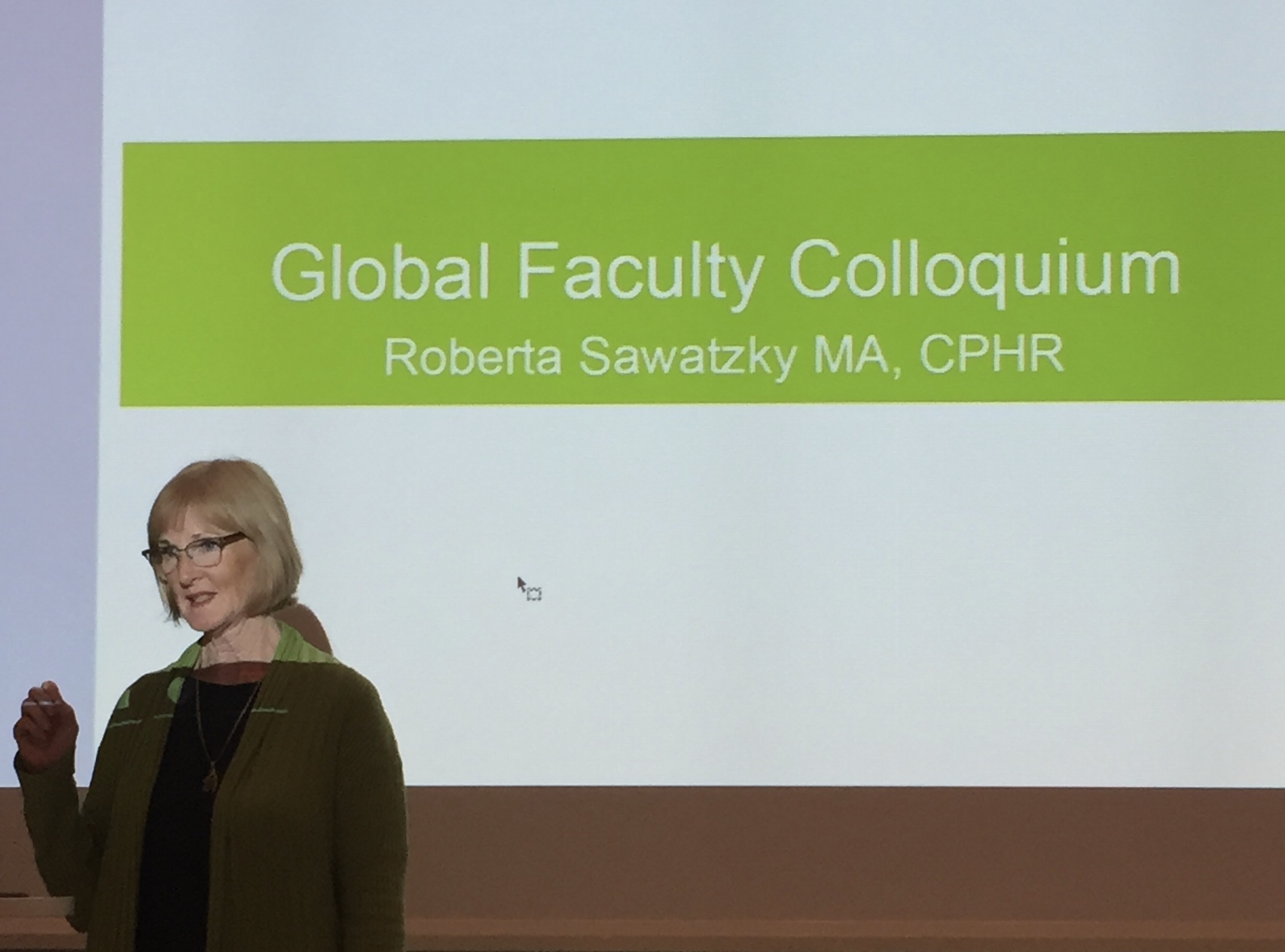
While in Finland I was honored to be part of a Global Faculty Colloquium held at JAMK University of Applied Sciences in Jyvascula; 18 individual from around the globe presented their practices related to applied research in the post secondary classroom. Inspiring, informative, and innovative ideas were shared, and each brought their unique culture and perspective to the conversation. However, the learning that left the strongest impression on me was the intentionality demonstrated by the Finnish people…our hosts. These people are hard workers, but take seriously their time to step back and enjoy the wonder of the country they are blessed to live in. Time and again, we heard guides and locals alike refer to ‘living room spaces’…spaces where people take time out of their work to simply sit, visit, get to know one another, and reflect on life. Time to be still, to think, to watch, to simply…be. I would suggest this is one of the two most important tools for a remote worker, the pre-cursor to innovative and creative thinking.

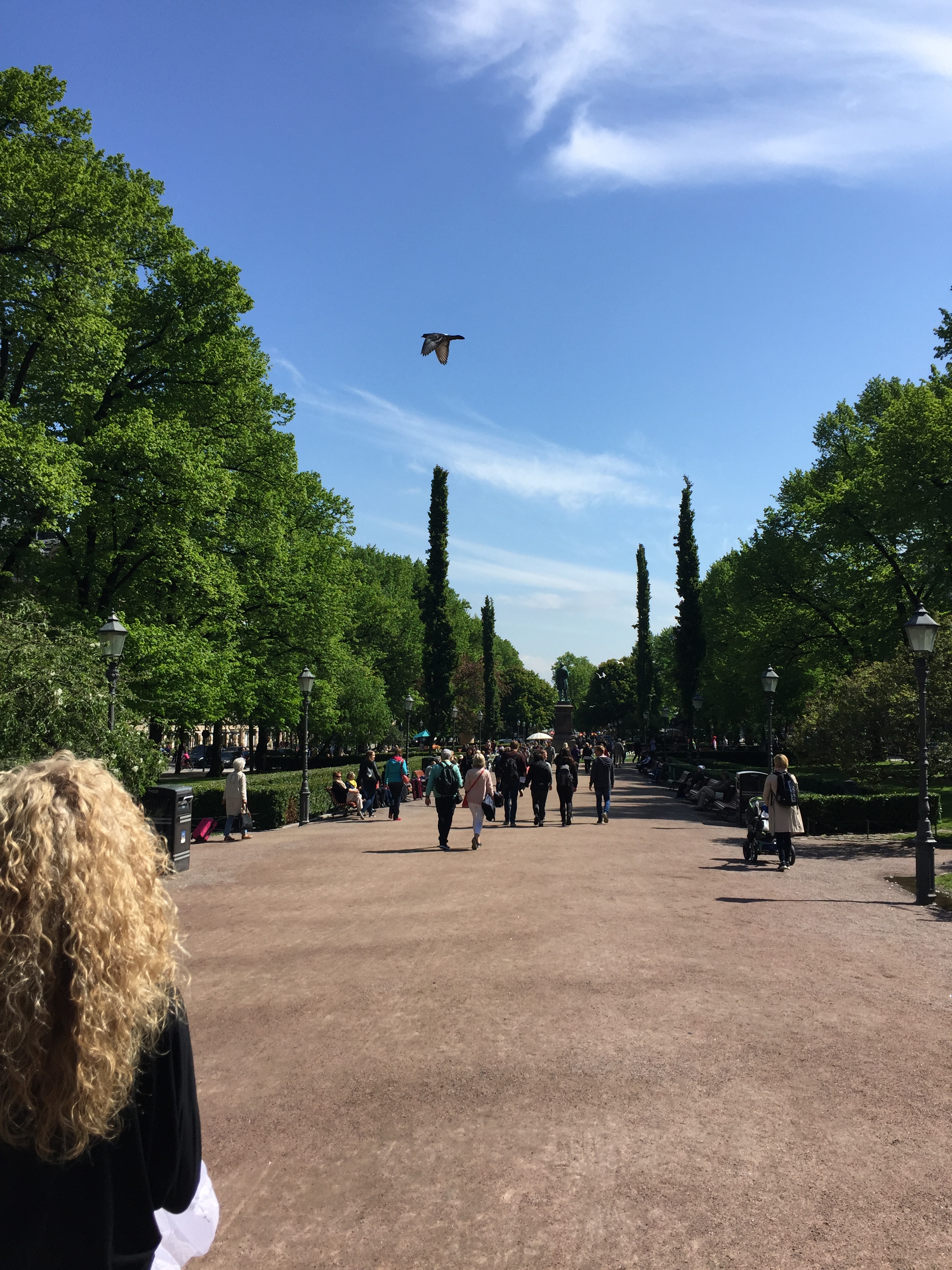
You may have intentional playtime all figured out, but for many this is a necessity that all to easily gets pushed aside. There is almost a panic that sets in if we are not doing something that contributes to existing contracts or to the pursuit of new business. While in Helsinki it was a treat to sit among the many people taking time out of their busyness to enjoy a pastry and coffee from one of the many sidewalk cafes, or simply sit on a bench along the city’s central linear park…intentionally taking advantage of the many ‘living room spaces’. But this is not a new concept…we are all keenly aware of the need for such ‘playtime’…aware, of , but perhaps not committed to .

I was also stuck by the intentionality of the Finns regarding building relationships in business. The value they place on taking time to create a foundation of trust before moving forward with business dealings is commendable; people first, business second. Continue reading “A remote worker’s most important tools.”

Remote working: the ups and downs

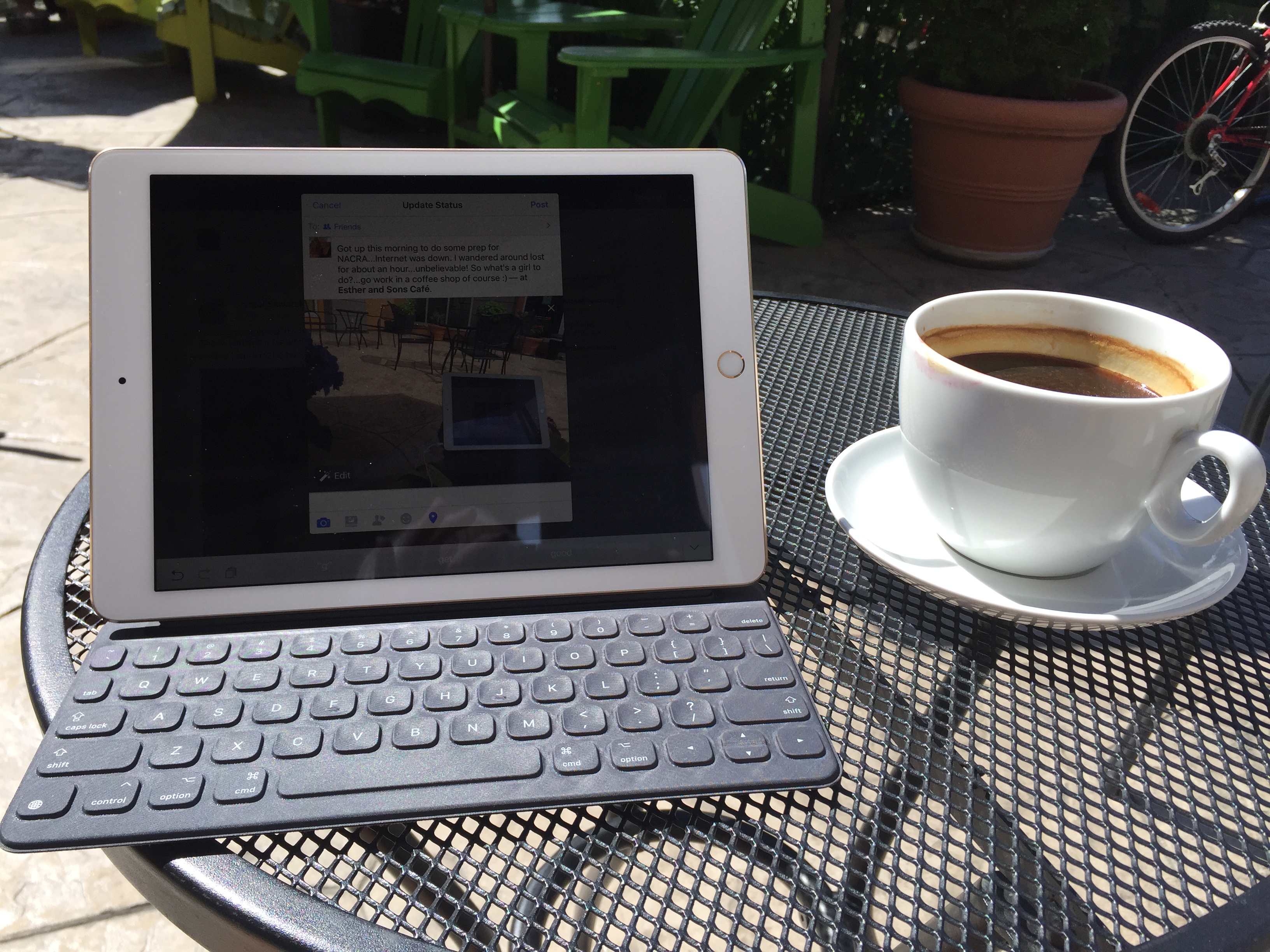
I met a lady at a coffee shop recently while working on a presentation for Finland. She shared that her 3 kids work in different industries (business, urban planning, and medical support), all of them work remotely in varying degrees: two have office space that they use… sometimes, and the other has a home office and also uses coffee shops when appropriate. The lady herself had a season of working from home, but openly admitted that the discipline to stay focused and not jump into house keeping tasks became a loosing battle, so she moved back into the formal office setting.

This ‘moving back to the office’ is not about failure or defeat, it’s more about knowing yourself, the environments in which you thrive, and your limits.

Over the past few weeks I have been considering what I like about remote work, and what elements I’m not crazy about. I’ve also been chatting to others, researching, and brainstorming with peers to learn about their experiences. The short and sweet of it? Remote workers like the ability to be flexible and have a choice about how, when, and where the work gets done. As well, the idea of intentionality regarding work results in great productivity, and calls for much creativity in overcoming possible barriers.

The flip side? Things like poor communication, inadequate technology, and undependable Internet access can create great frustration for both workers, and employers. This in addition to the on-going struggle to balance work and personal space (thus the need for good self-discipline!). One final aspect that many individuals working remotely battle with is a sense of isolation and lonelyness.

Like any work situation, you take the good with the not so good…the question lies in whether or not you can overcome, or accept, the aspects that are less than ideal. For me, and for most remote workers that I have engaged with, the pros are great enough that the commitment to finding a way to make remote work, work…is worth the effort.

The number of people working remotely (in varying formats) is growing; next blog join me as we take a closer look at how both the workers and the employers are creating some really successful outcomes.

In the meantime, check out this interview conducted with a remote worker regarding his experiences. And yes, it does beg the question… “What are the key differences between remote working and nomadic working?” Nathan describes the first as being in a position of having an office (whether a home, shared, or separate office space) and the second being in a state of having no constant. What are the advantages, draw backs, and risks of each? A question to be answered by a nomadic worker?


What does working remotely look like for me?

As I embark on this path of investigating the world of remote work and workers, I decided a good starting place was with my own experience: What does working remotely look like to me? What do I enjoy about it? What drives me crazy?

A point of clarification is called for here to ensure we have a shared understanding of terms. When I say ‘remote’ I am referring to individuals and/or teams who are not physically based in a designated office space to do their work…it could be full time, part time, seasonal…the options are many. Other important terms that I will refer to are distributed teams and digital workspaces. Checkout this article on What’s Your Company’s Definition of Remote Work?

Remote working looks different for everyone; however, as I share my experiences, you may find points of connection that perhaps will put expression to your realities.

Connecting with a client at Theirry in Vancouver, BC

Like many of you, I work in a few roles. The majority of my time is spent as a business professor, focusing on Human Resources and Management. The classroom provides a wonderful opportunity to be face to face with some incredible students…but we also have a learning management system that provides a platform for virtual communication and interactions. I also teach online courses, where the only interaction we have is virtual. This is one area of working remotely where my ‘office’ never seems to close.

I also do business coaching/consulting. This role offers opportunities to mset one on one with clients (face to face or virtually), developing training materials, or collaborating with others to provide services to various organizations.

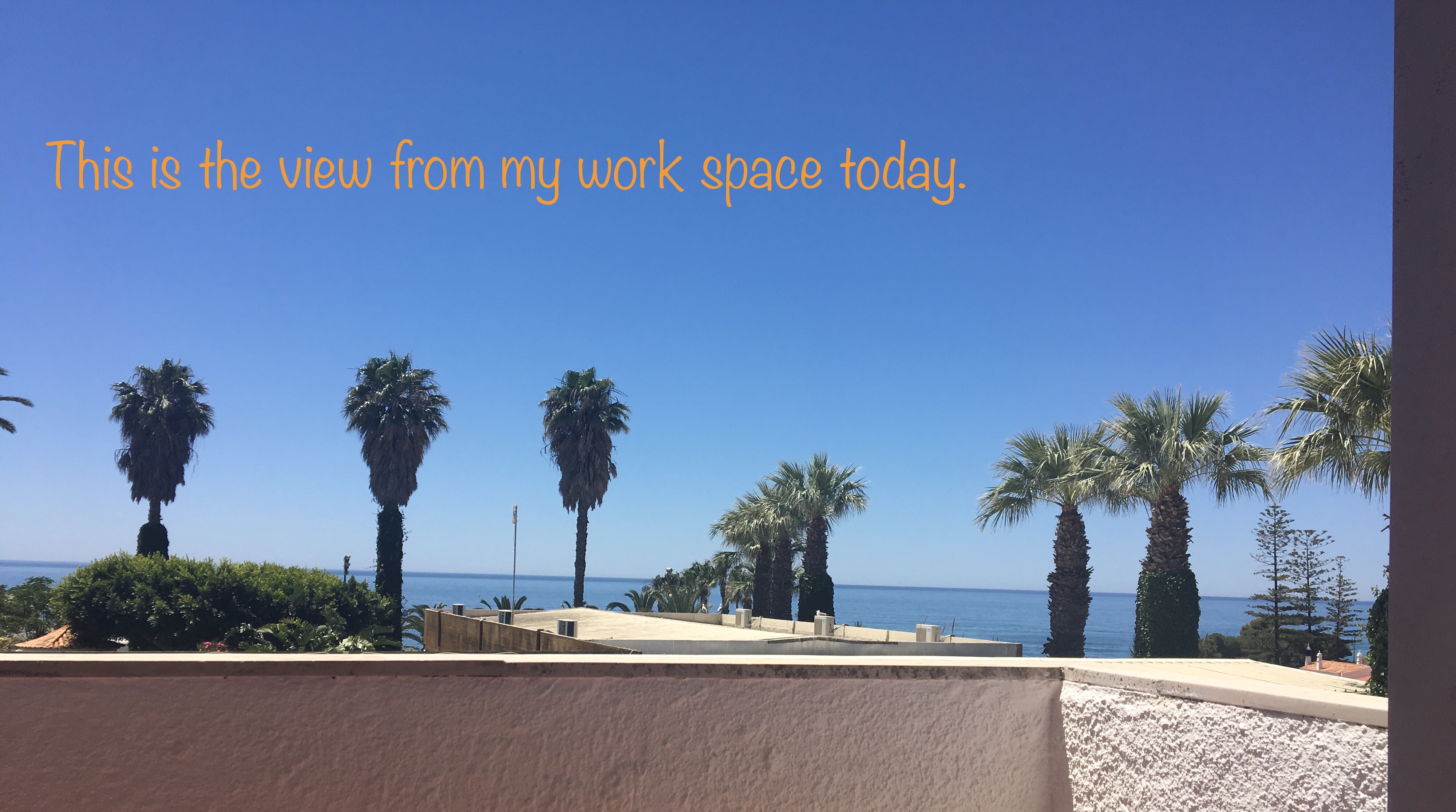
So, I get to enjoy both …working in a specific office space at the college, and working remotely (home, coffee shop, Canada, Portugal, Ireland, Greece, Finland…the world’s the limit).

My ‘office’ for exam marking in Naxos, Greece

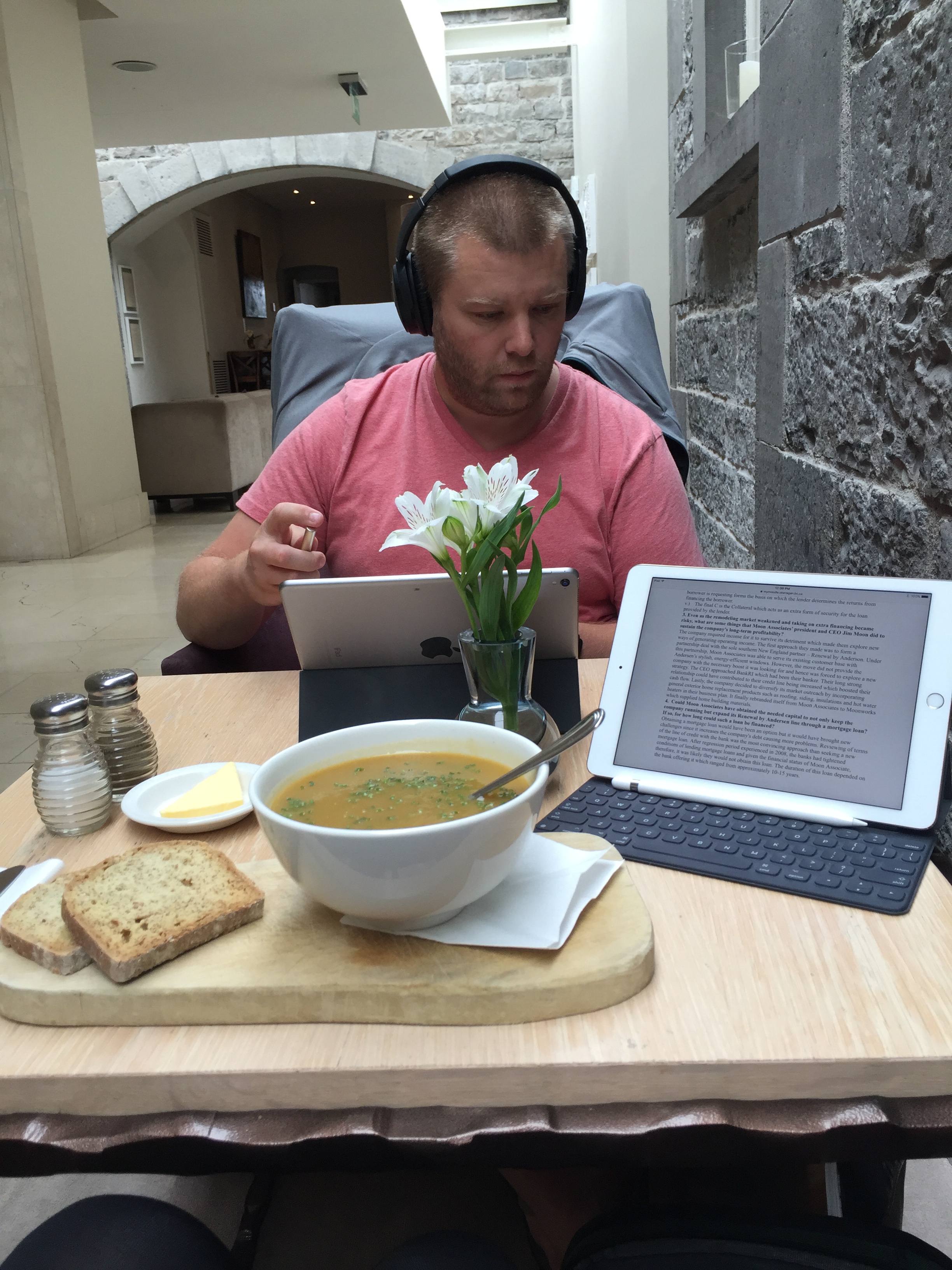
For me, the key is to fit the task or activity with the most appropriate working environment. One of my favourite experiences was being in Ireland working in a beautiful hotel cafe with my son – Guinness, coffee, and soda bread on the table. I was reviewing research papers submitted by my distance students while Nathan worked on material for one of his clients. We did take breaks from screen time to chat about what we were focusing on…remote working at it’s finest! Another experience had me Facetiming one of my advisors from a cave house in Santorini, to her location in Africa!

The thing I am passionate about is helping people realize their greatest potential in whatever career path they choose…whether they work in a physical office, work remotely, or a combination of both. No matter the context, it is important that both employer and employee have a clear understanding of each other’s strengths and needs in order to realize both individual and organizational potential…success on all counts. I truly believe that one contributor for individual and organizational success lies in opportunities for flexible work spaces, thus my curiosity around investigating this concept.

Next time I’ll get more specific about what I enjoy most about working remote, AND provide responses from others’ positive experiences. In the meantime, you might find this article interesting to muse over: Are Remote Workers Happier than Office Employees?

Office Not Required

I have become more than simply curious about all that it means to work remotely. In fact, it has become one of those topics that seem to be ‘popping up’ in various conversation these days. I know it is not a totally new concept, but I do believe it is going to continue to impact the way we design work across all industries. In a recent conversation with my son, he described how his attention is being drawn to how we design customer experiences (check him out at http://nathansawatzky.com). To me, this is the flip side of the same coin; are we considering how we design work in light of how we design the customer’s experience? It is also interesting to note that Nathan works remotely from various countries around the world.

I don’t want to get ahead of myself here. Suffice to say, my focus for the next few months will be on investigating how different organizations – large and small, local and global – creatively design jobs that intentionally build in opportunities for employees to work remotely…and considering how this then informs the customer experience.Here is an interesting article published by the New York Times on the topic…Out of the Office: More People are Working Remotely, Survey Finds.

Over the course of the summer I will be traveling and look forward to doing some work remotely, AND connecting with others who also have the opportunity to enjoy such freedom.

Any book recommendations, research, organizational examples are greatly appreciated! I’m starting off by reading Remote: Office Not Required by Fried and Hansson. Hope you join me for this wide open (by design) journey.

Thinking about thinking…

I’m not a ‘navel gazer‘, in fact I would probably get my back up against the wall if anyone accused me of being one. For many people, spending time doing various assessments to learn more about oneself falls into this category; I get that. We can get so fixated on taking self discovery assessment after assessment, after assessment in pursuit of self discovery…but to what end?
renderedimageSo where am I going with this, especially with a blog title of ‘Thinking about thinking’? In my lifetime I have completed many assessments: True Colours, What Color is Your Parachute?, Anchors, StrengthsFinder, MBTI, Values-Based-Indicators, DISC to name a few. Each one of them have contributed to my self-understanding, but to what end? In college, we use various assessments to help students learn who they are, how they perform, what matters to them, what they should do with their lives…again, to what end?

Ok, so this is sounding like a gloom and doom reflection…bear with me, that’s not where I’m going.

Lately I have been passionately curious about the whole idea of diversity, and loving every moment of it. In fact, in my previous few blogs I focused on diversity in the classroom, which really served as the impetus to keep digging into this intriguing area of thought. The intent of my attention to this matter was for the purpose of bringing students from multiple cultural backgrounds together, and through appreciating each one’s unique contribution, greatly enhance their own learning and that of their classmates. I left the semester feeling enriched, as did many of the students.

However, through conversations with my son, Nathan, we began considering the fact that the practice of many organizations is to design diverse teams based on such things as culture, gender, religion, ability, or age. The theory is that bringing individuals from diverse people groups together will result in heightened creativity which would then lead to greater innovation, which would lead to greater productivity and profit. Logical, and supported by research. But…is it accurate? Not necessarily…in fact, other research is showing that while much good can be generated from such diversity, there are challenges that can block the desired results. In an article entitled Diversity in Teams: a Two Edged Sword the authors remind us that there is more to receiving creative and innovative outcomes than simply putting together a diverse team.

The question then arises…If diversity truly is the key element in creating diversity of thought, how do we harness and grow it? And…how do we define diversity?

Here’s where I’m going with this. When most of us think of diversity, we think about the visible…the things we see that make us different: race, color, age, ability/disability, gender… But what about “Invisible diversity”? Bersin by Deloitte  defines this as… ‘the traits or characteristics of a person that may not be obvious, such as diversity of thought, perspectives, and life experiences (which may include education, family status, values and beliefs, working-style preferences, and socioeconomic status).’

Is it possible that the best path to creativity and innovation doesn’t lie in visibly diverse teams, but in teams that also strive for invisibly diverse teams?

Closing the loop…if I want to successfully work with an invisibly diverse team, one that embraces differenct ways of thinking based on such things as values, beliefs, experiences, perspectives…I need to understand where I’m coming from; I need to first be a student of myself before I can understand those unique individuals I will be privileged to work with.

Thus starts the journey into re-learning about, and appreciating, my own uniqueness, FOR THE PURPOSE of learning about, and appreciating others, so that together we can innovate and create amazing things.