Category: Recovery

Writing through grief ~ blog 145

A Probe & Ponder Newsletter…February Issue

Exploring books, learning, travel, life experiences & adventure with author, Roberta E Sawatzky


Welcome to Issue #3 of my newsletter!

If you’re someone who’s curious, courageous, and eager to grow through fresh ideas, practical writing tips, thoughtful prompts, and real-life reflections, you’re in the right place. Here, I share my ponderings and discoveries with a community of readers and writers who’ve connected with me through my books—and who love exploring how writing shapes the way we learn, create, and experience life. Let’s dive in together.


“One of the things I love about writing is it’s a place you can witness your own grief.”
—David Kessler


What am I up to?

It’s amazing how life can change in a moment. From reading my books, you will know that my husband of 47 years had been dependant on kidney dialysis for the past five years. This, combined with lymphoma offered many life challenges. However, because of his amazing and positive attidude, combined with my determination, we enjoyed much travel and adventure until travel became medically impossible for him. On January 7, his body finally had enough and my husband passed away. His final days were surrounded with family and friends, as together we expressed our love for Rob and for each other.

My writing has taken on a new focus for now. Actually not new, just more intentional. You see throughout our lives, Rob and I talked about everything; we texted or called each other often throughout the day, talked about the joys and challenges each of us was facing, and shared our dreams for the future (mostly as we walked or biked to our favourite coffee shops). We shared our lives while still honouring each other’s space. You can imagine the impact when this connection is no longer possible. At least not the way it had been.

I have been a journaler for quite a few years, more so in the past five years since his original diagnosis. The jouralling was a record of my own reflections on life. However, my journal entries are now written to Rob. It’s not the rich two-way conversation we so enjoyed, but it is a way for me to share my struggles, my grief and pain over his passing. It also allows me to tell him about what I’m reflecting on and how I want to live my life in a way that honours him.

Travel has always been one of the great shared joys of our life together. It was important to Rob that I continue exploring the world, even after him. Still, it feels almost impossible to imagine travelling without him by my side.

Recently, while listening to a podcast interview with Mary-Frances O’Connor, author of The Grieving Body, I heard words that settled gently into my heart:

That is how I want to travel now. Not away from him, but with him — through the ways he shaped how I see, notice, and cherish the world. And each evening, before I turn off the light, I will continue filling the pages of my leather journals with all the things I get to do because my life was shaped by his love.


Books & Podcasts

Podcast:

A podcast I continue learning from is The Creative Penn with author Joanna Penn. This specific interview is with physician and author Karen Wyatt as they discuss Writing as a Tool for Grief and Dealing with Change. Throughout the discussion they talk about different types of grief we experience, addressing topics like: why write about grief and end of life; using writing to deal with the complex emotions around grief; and transforming personal writing into publication. Wyatt also shares how journalling her thoughts during a time of grieving helped her get out of her logic brain and awaken the creative side of the brain. Wyatt shares,

I’m sure you’ll find the episode inspiring, no matter what kind of loss you may be experiencing

Books:

As I listened to the podcast with Karen Wyatt, I was reminded about author Julia Cameron. One of her books I thoroughly enjoyed was “The Right to Write: an invitiation and initiation into the writing life.” I read it early in my writing experience and have begun to reread it. One of the thoughts expressed in the book spoke to me as I continue to engage in journalling,

By the way, I just ordered her latest book, released in 2024, called “Living the Artist’s Way: An Intuitive Path to Greater Creativity”. In my next newsletter I’ll let you know my thougths on it.


Where my deepest thoughts happen…

Tips for Writing Through Your Grief

(all from a great article in Psychology Today)

  1. Identify a set time of day to write, and put it in your calendar as you would any other appointment.
  2. Get a beautiful journal if you write with pen and paper. Make some tea, light a candle, snuggle under a cozy blanket…whatever you need to create an inviting space.
  3. Don’t be judgy. Write what you feel. Remember that nobody else will see what you write unless you want them to.
  4. Enlist a writing buddy. If going solo doesn’t work for you, invite a friend and hold each other accountable.
  5. End each writing session with a question you’re going to respond to on the next go-round. That way you’re never faced with a blank page.

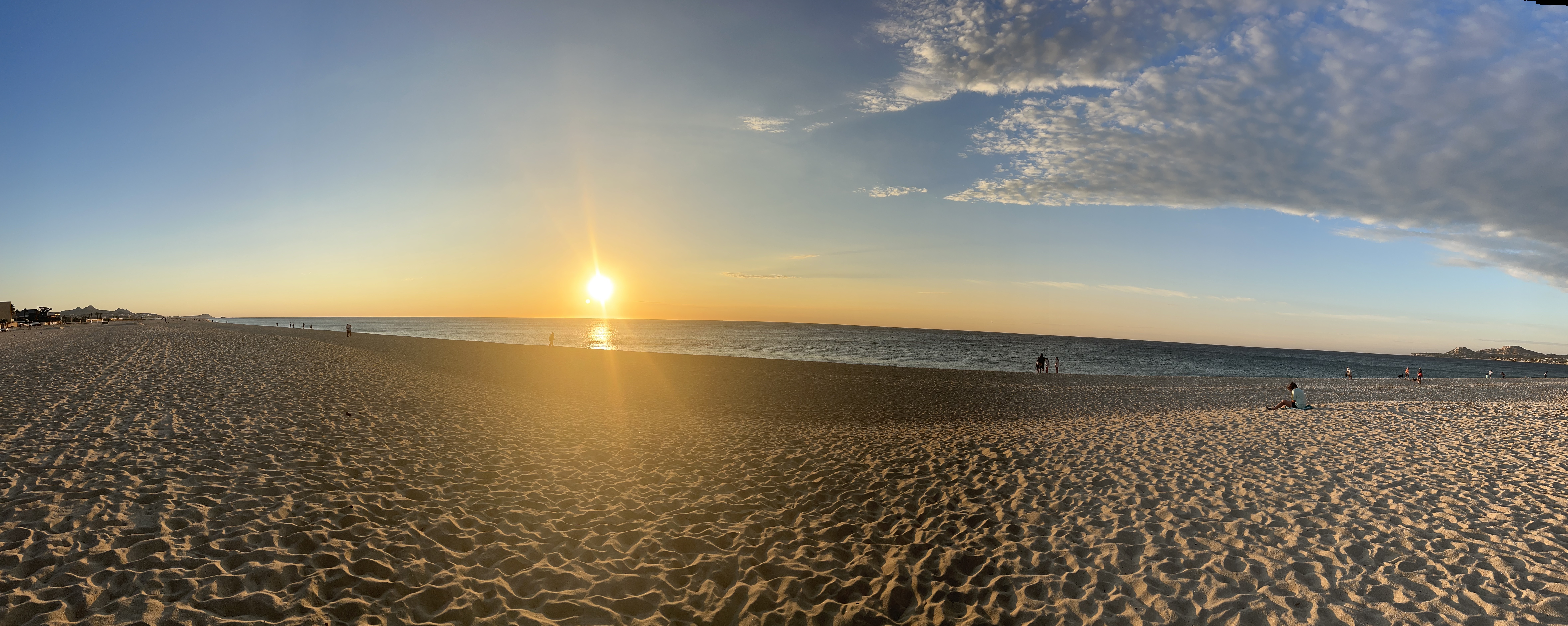
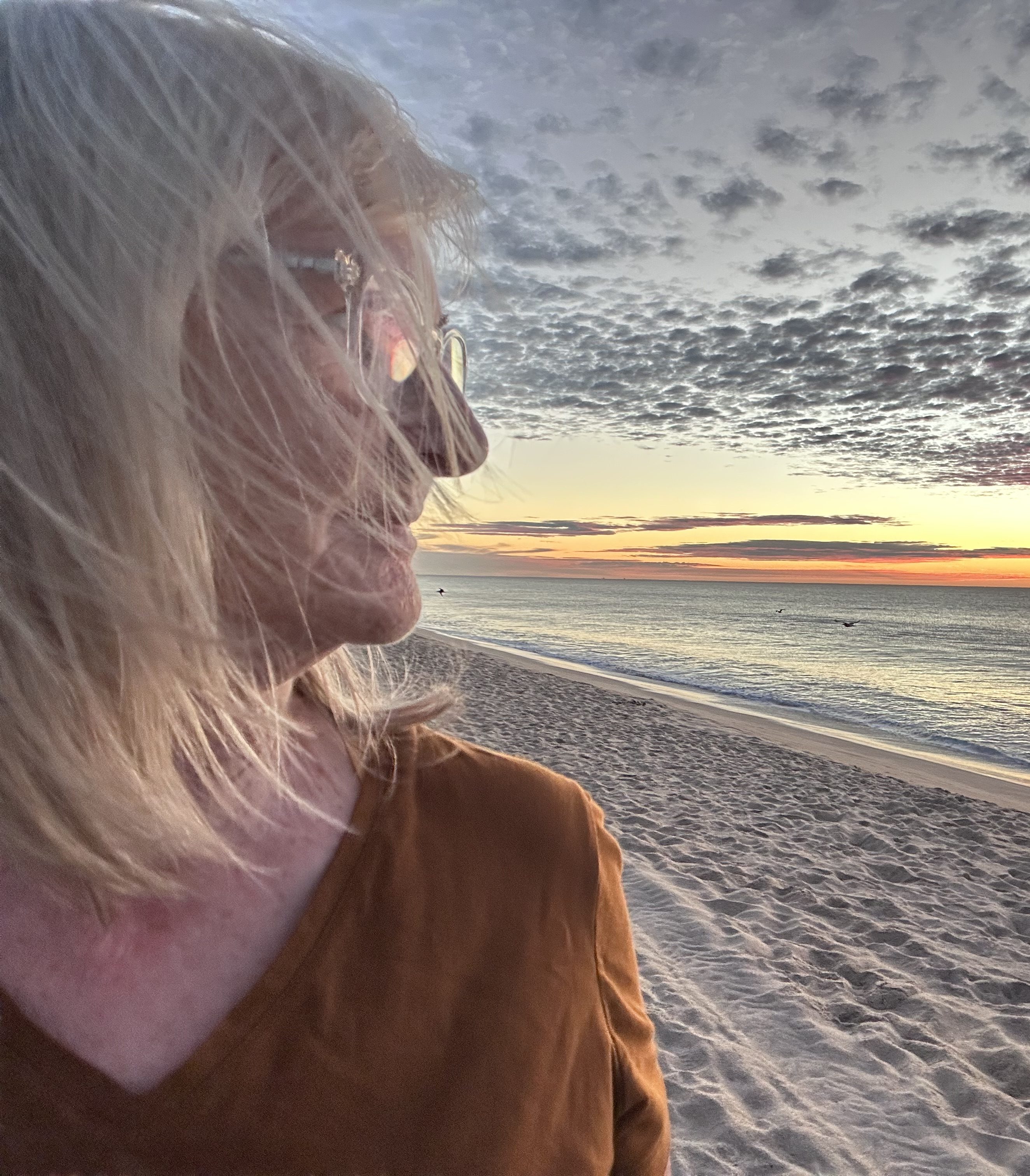
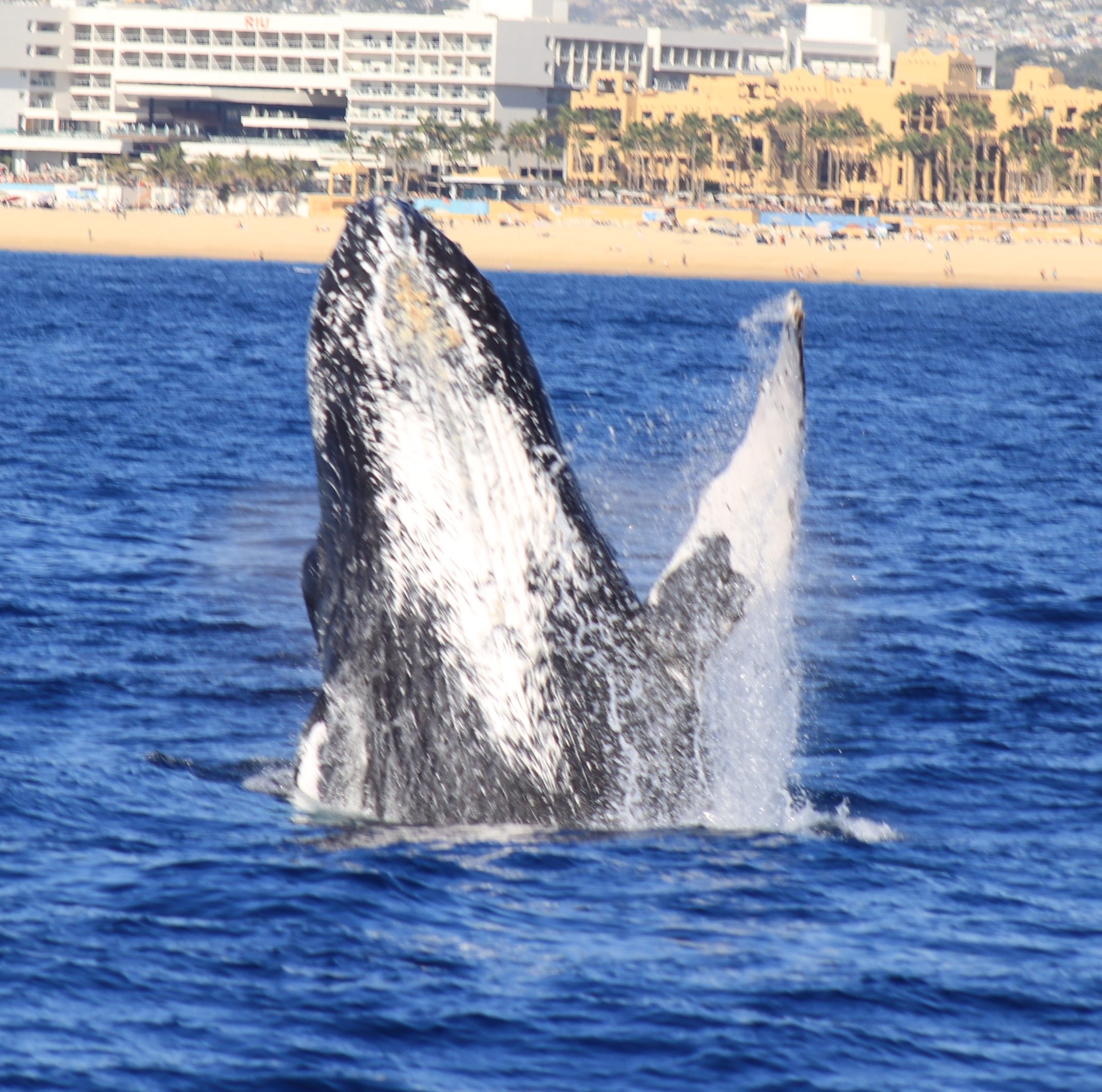
Writing Prompts (pictures from travels):

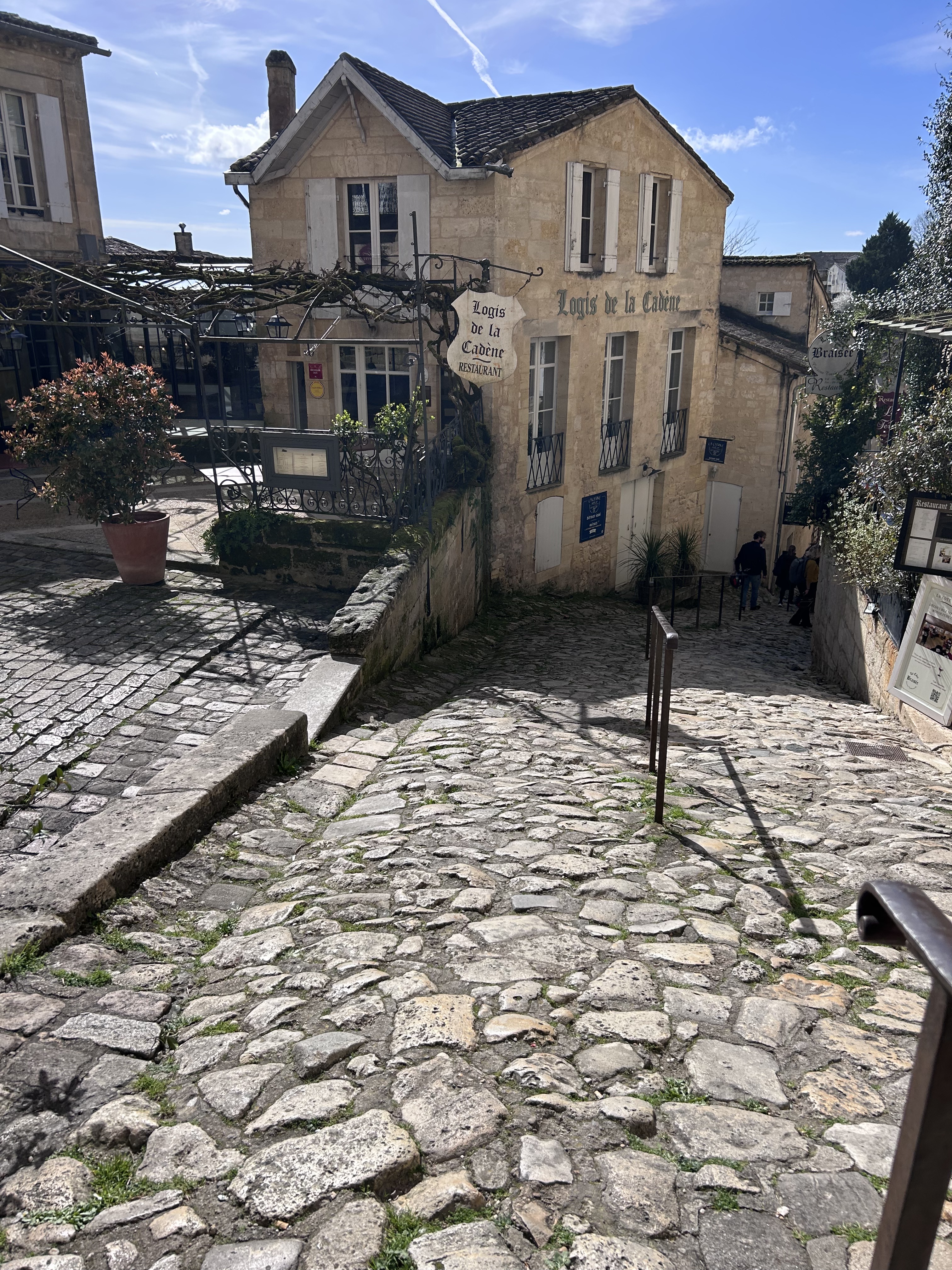
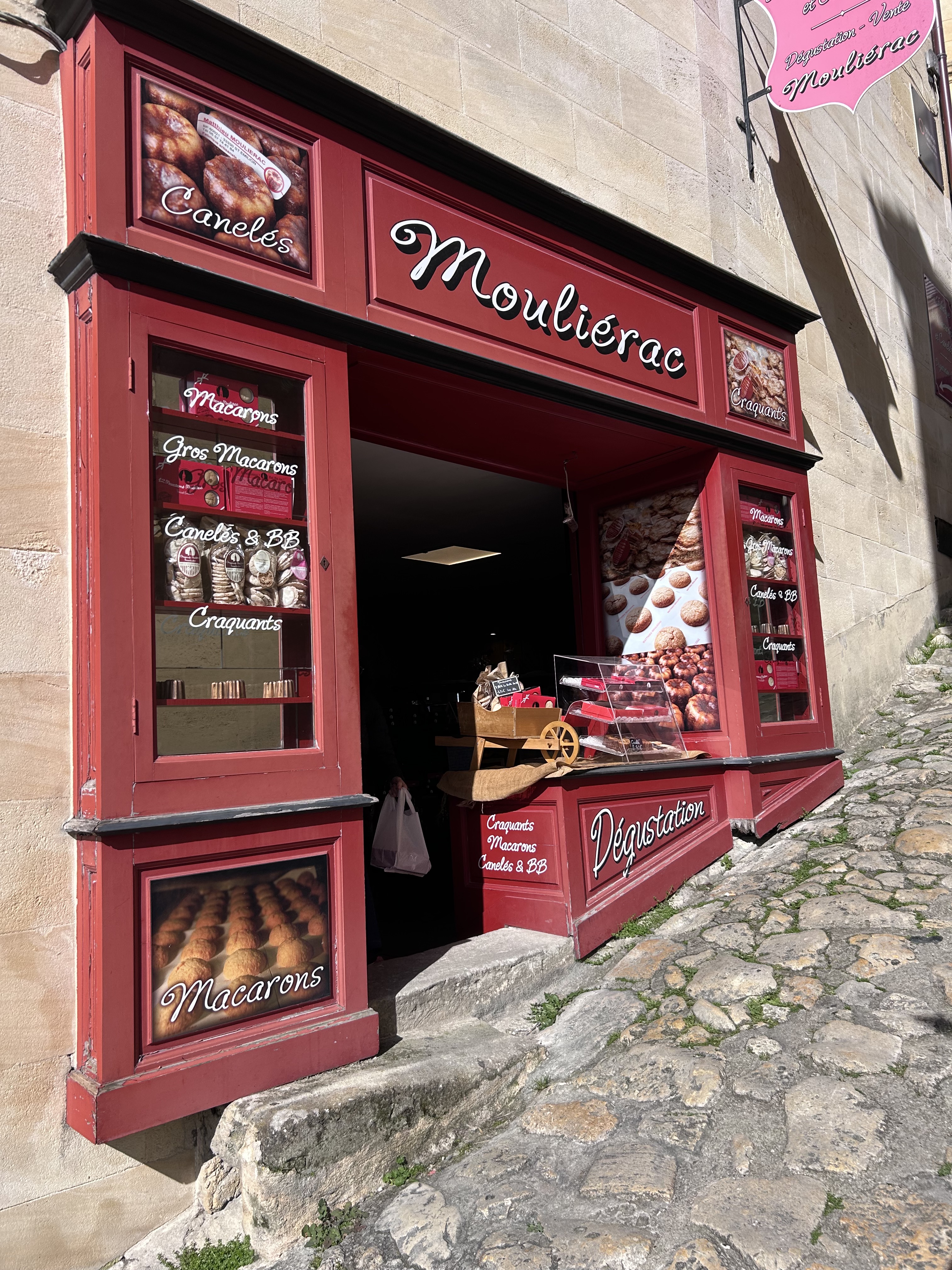
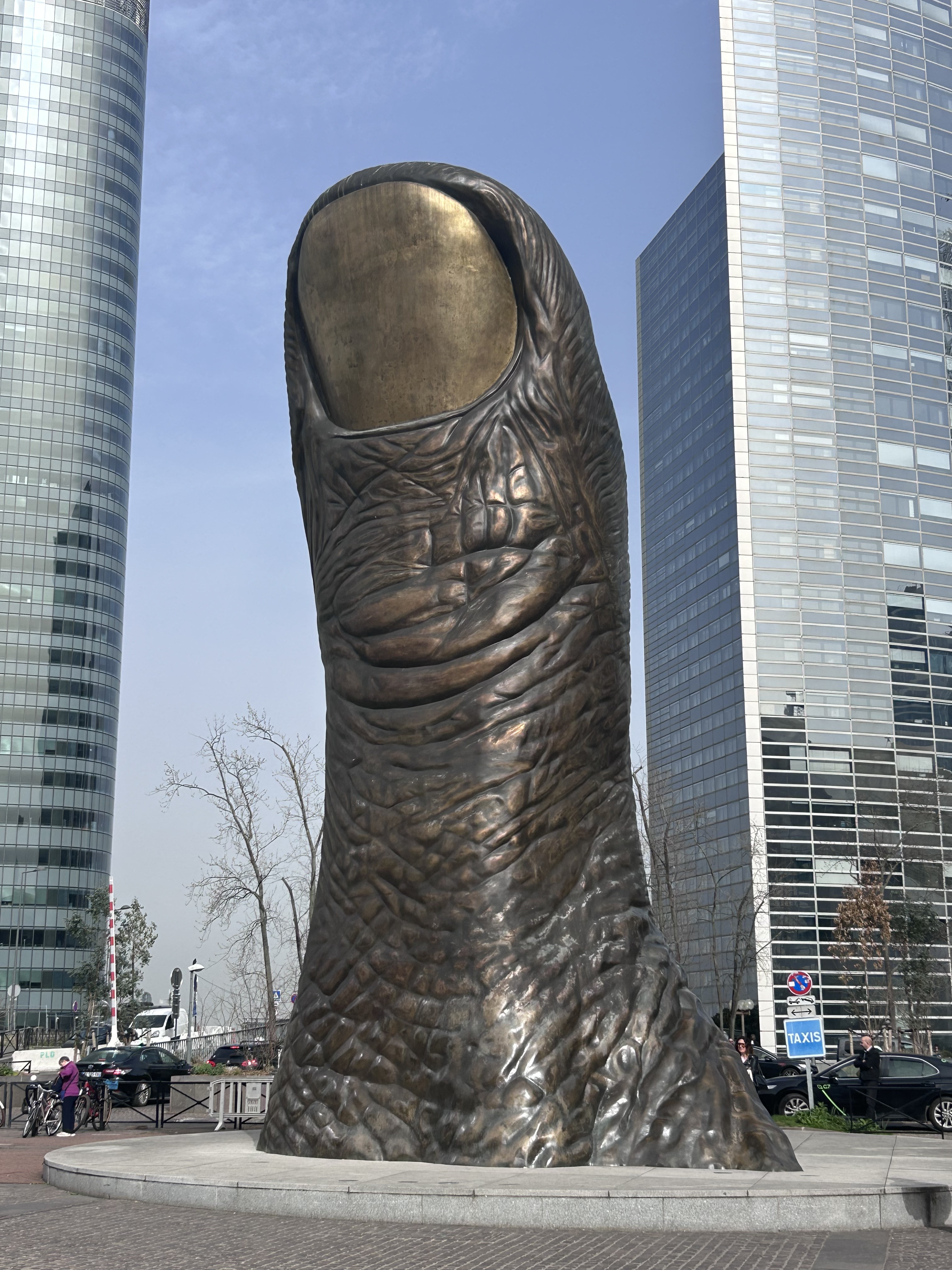
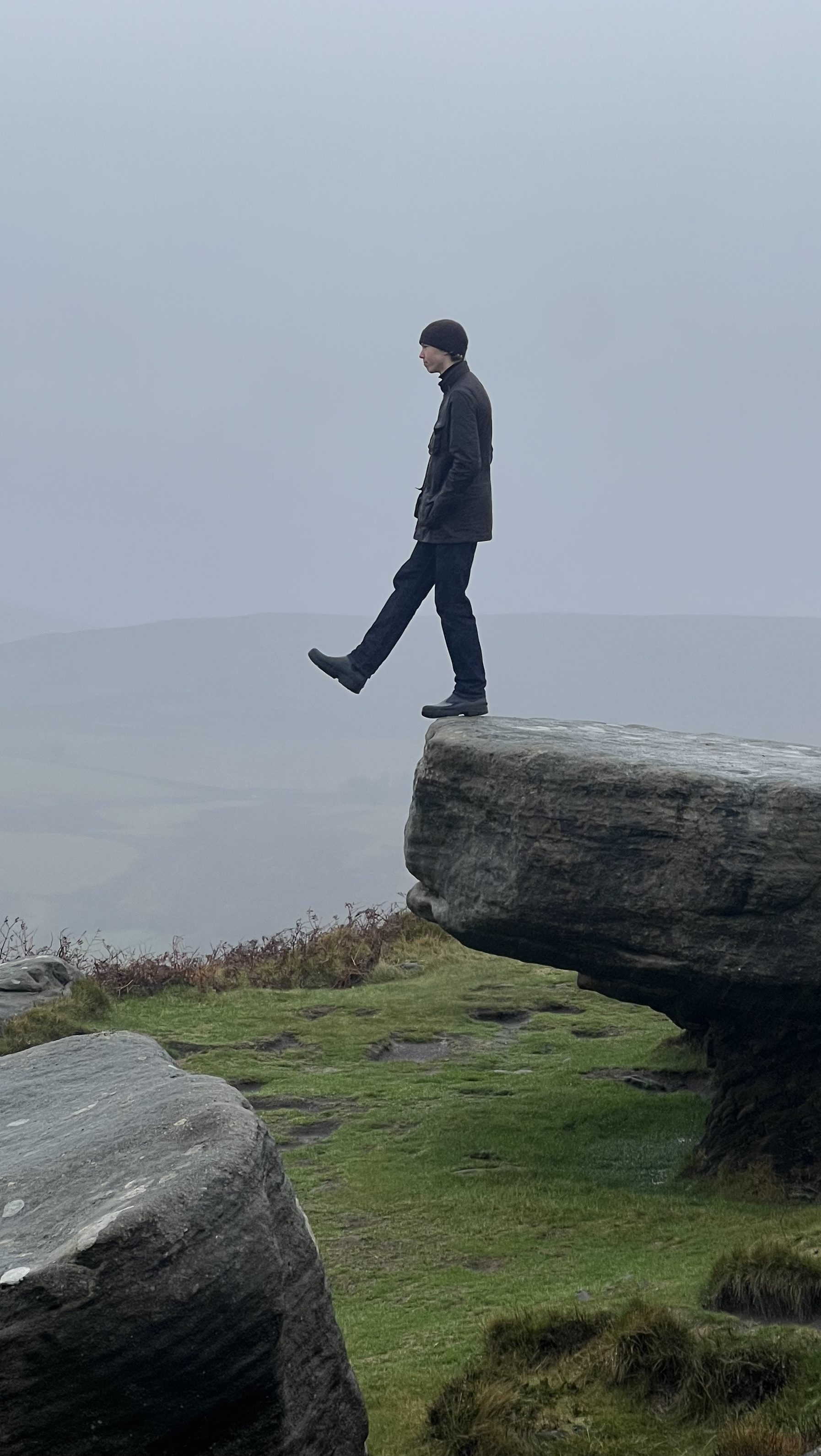
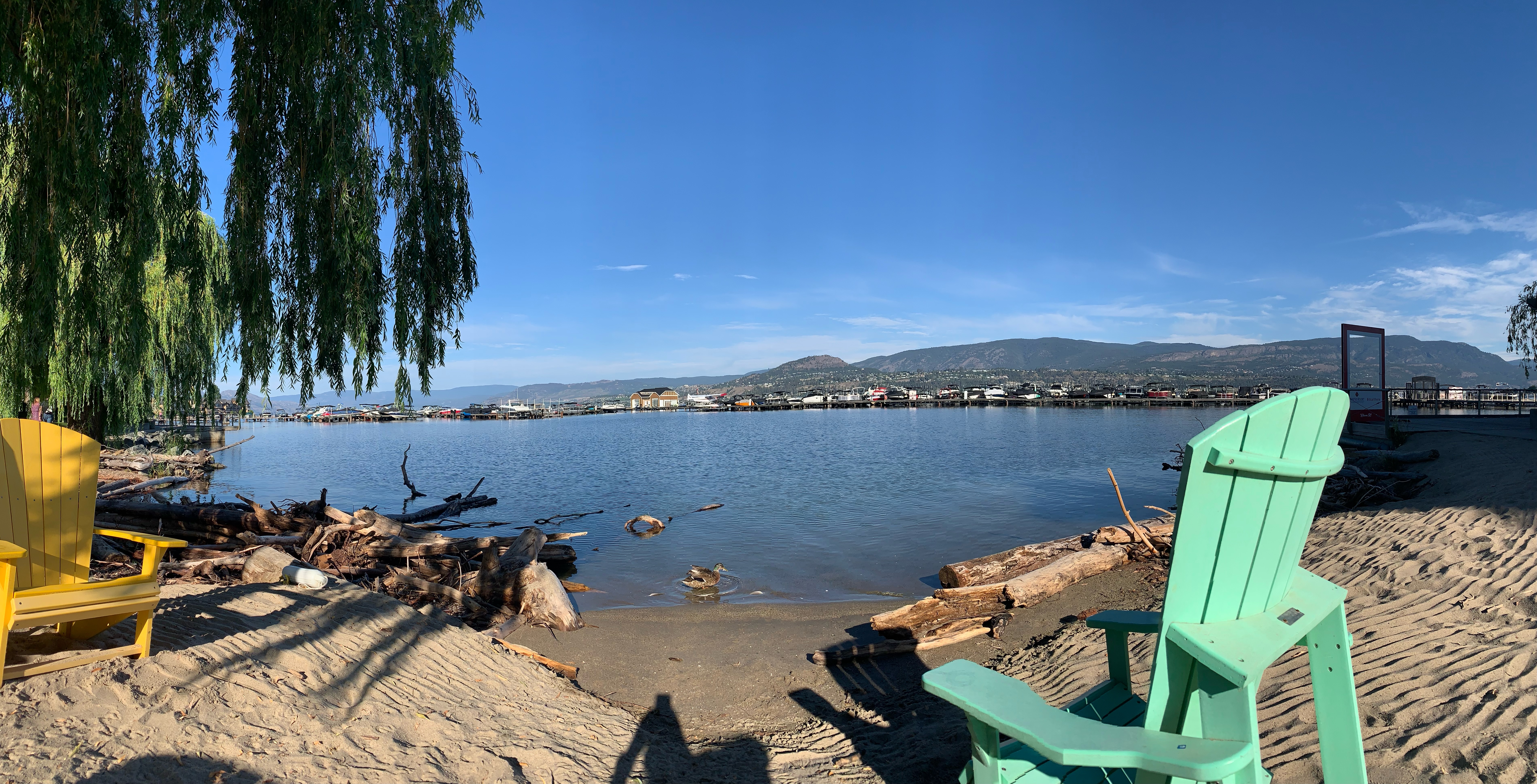
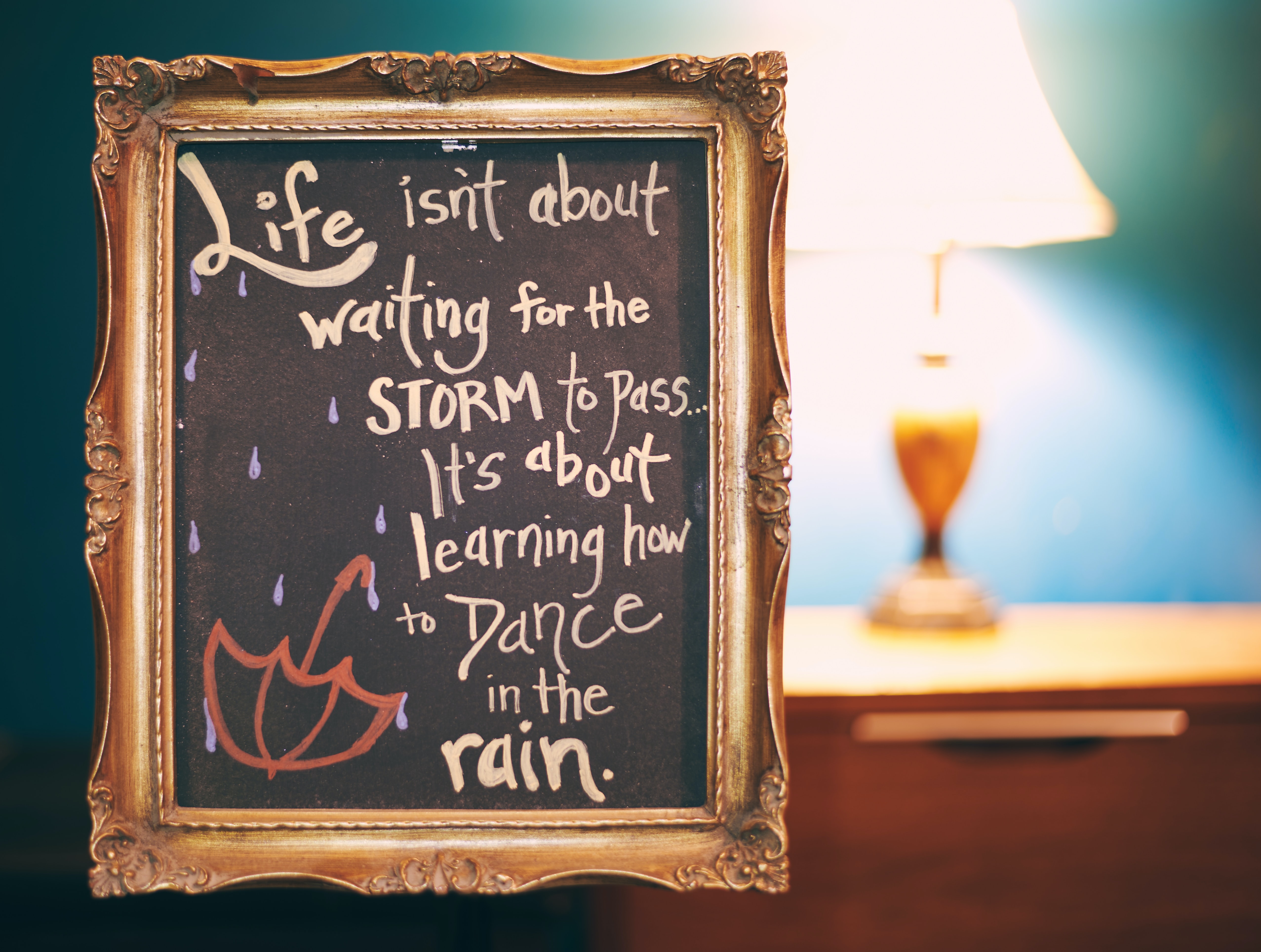
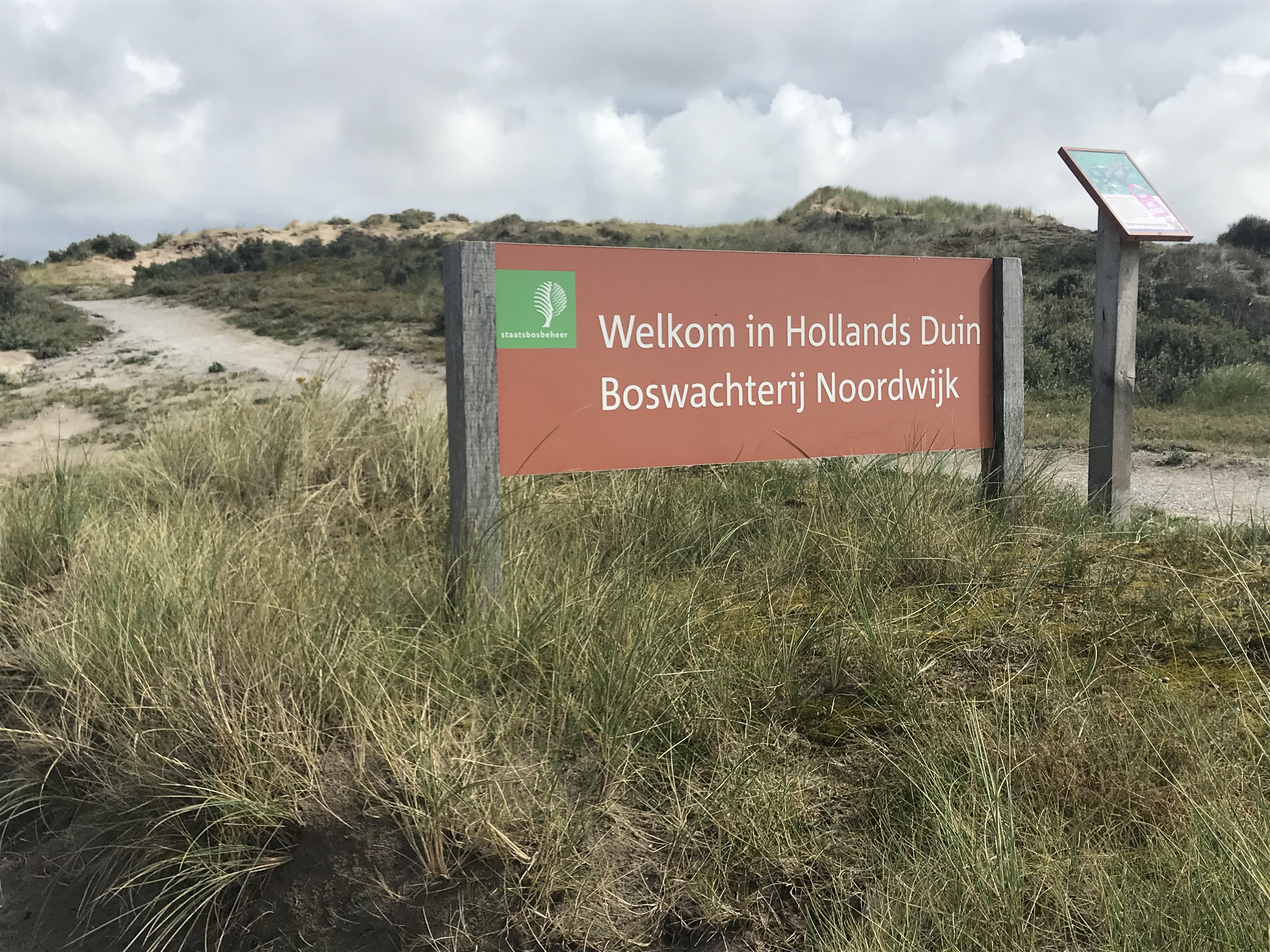
Think about how each of these picture prompts might inspire you to complete the sentence: “Grief is like…”


    Grief is like the ocean; it comes in waves, ebbing and flowing. Sometimes the water is calm, and sometimes it is overwhelming. All we can do is learn to swim.” – Vicki Harrison


    My books: For ordering and book information visit my website.
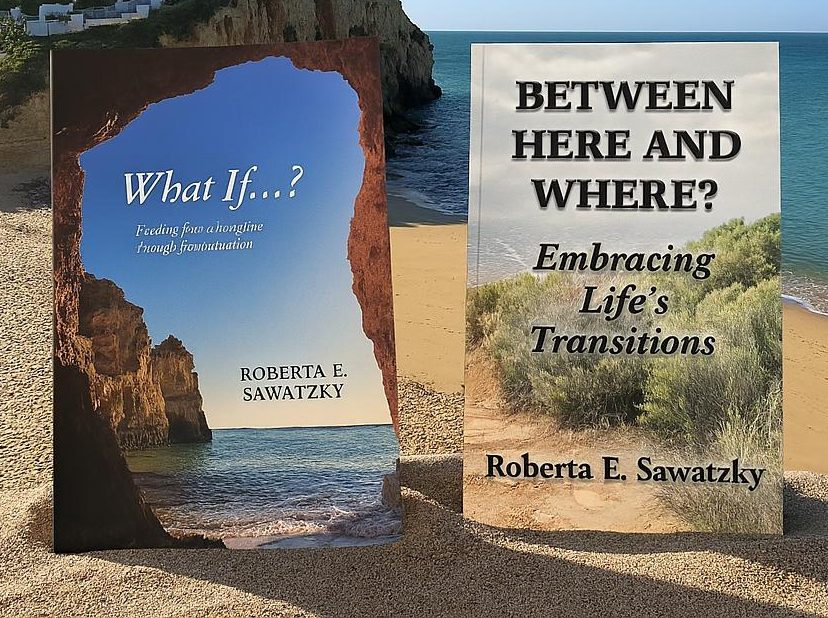
    What If…? Finding new adventures through life’s obstacles

    Between Here and Where? Embracing life’s transitions.

    New page, new chapter…Blog #115

    Do you remember your high school years? It seemed (to me anyways) the hours of boring classes, homework, exams, and tedious studying, would never end? (says the professor). But they did, and as I look back I realize they were just a tiny bleep in time. I feel a bit of deja vu these days–I can’t believe how quickly this year has passed! 

    August 1 marked a year since I began my extended study leave (ESL); actually it marked the end of that ESL. Unbelievable! It was my main focus since beginning to prepare the proposal in Spring of 2019, and now it is becoming a distant memory. But what a memory! 

    My blog posts have also been focused on preparing for, and living the adventure experienced with my husband, and as I now return to blogging, I’m having a hard time getting back in the groove. I’m still committed to writing about learning from life and travels, but feel like a new page has been turned in life, and I’m not sure what the next chapter is called, nor how to get there. 

    Perhaps a bridge is needed. My last blog was posted mid-June, let’s start there.

    June was basically spent getting back to being home, as in Kelowna, BC, Canada: wrapping up loose ends from my research, writing my Global Professional in Human Resources exam (which I passed…phew!), re-adjusting to life in Canada, catching up with friends, connecting with colleagues at work, and spending as much time as possible with our daughter and family. To be honest, June was a bit of a whirlwind (I did write a bit about it in my previous blog).  

    July hit, and with the research and resulting papers etc. complete, it was time to let my mind and body rest before digging into preparing for another year of teaching HR and Management courses, and working with clients. July truly was back to basics…the 3-Rs, ok 4-Rs: reading, writing (not sure how this was labelled as an ‘R’), riding, and relaxing. The reading was light, mostly mysteries and the like; the writing was focused on my travel memoir from this past year (more about that to come); bike riding was a mix of both slow and pushing hard; and relaxing was well, relaxing. 

    Enjoying wine and cream puffs at Arrowleaf Winery

    The more we travel, the more I appreciate the beauty of the Okanagan Valley region in which we live. We are surrounded by mountains that house world class skiing, 30+ golf courses, approximately 182 wineries, and many lakes. The Okanagan Lake alone is 135 km long! So while we absolutely love to travel, we are fortunate to have a spectacular location to return to after each adventure.

    But, my mind is already longing for more travel…yes, the more you travel, the more you realize how many more places you want to experience. Future travels will probably not be for such an extended time as this past adventure to Europe; however, there is still great value in a weekend away closer to home, taking a week or so to a drivable location, or a few weeks to more distant lands that call for a plane ride to jet you away to some new exploration. 

    I have many memories and learnings from past travels sewn into the fabric of my heart and soul, and I invite you to reflect on them with me over the next weeks and months until the next yet unknown adventure presents itself.

    A favourite spot to take in the Okanagan Lake.

    Working through it…Blog #81

    I truly believe we are meant to live in community; to share life with others, to laugh, cry, learn, explore, and journey together. I have journeyed so with a dear friend and colleague and have learned so much from her. For this blog, I invited Candace to share some of her personal journey and learnings with you regarding mental health–I know you’ll benefit from her story. Please enjoy…

    “I care about you…and I care about this place. You aren’t yourself and I need the full ‘you’ for the work we have ahead of us. Take the rest of the week off, then on Monday, we’ll check in and I want to hear from you what your plan is to get well …and what you need from me.”

    This conversation happened about 7 years ago but I can recall it like it was yesterday. I remember how embarrassed, angry (at myself), relieved, and determined I felt. I knew I wasn’t well, but what I didn’t know was that it was affecting my work. Well, I knew it was affecting my work, but I didn’t know that the covering up, compensating, and hiding I was expending energy on wasn’t working as well as I thought it was.

    My work provided meaning, a sense of control when a great deal of my life was feeling out of control, and was a huge part of my identity. The message that my performance was not up to standard and that I was letting my Executive Director down was terrifying and triggered the fight response I needed at that time.

    We’ve come a long way in our view of and approach to mental illness in the workplace. Historically, we just whispered behind people’s backs, marginalized them, and believed that stopping work (i.e. going on a leave) was what they should do. Thankfully, campaigns to increase awareness and reduce stigma are part of our culture now, and there are champions for mentally healthier workplaces in every sector. Many workplaces and leaders have come to understand that people who live with mental illness can be healthy, functioning contributors on our teams and in our workplaces, and it’s the workplaces who have provided flexible work arrangements who have often been the most successful in retaining and engaging employees with less visible disabilities like mental illness.

    While I’ve heard many workplace leaders express concern about the mental health of their employees (and rightfully so) these last several months, I wonder if this may be the time for people with lived experience with mental illness to shine and contribute in new ways?

    Struggling with figuring out how to be well when it feels like any minute the world might crash around you? A person with a chronic and persistent mental illness will say, “Been there.”

    Wondering what the right rhythm in your work/personal life is to effectively manage all that has to be done when you just feel tired and scared? Yup.

    Feel like your brain is exhausted from managing all the scary thoughts running around? Uh-huh.

    Following are a few thoughts to help us promote mentally healthy workplaces, when we’re working apart:

    ·       Wondering how your staff are doing? Ask them or create opportunities for everyone to check in and respond to one another. For many, working from home has meant disconnection from their work friends and so loneliness has added to everything else that’s hard about this time.

    ·       Provide a lunch and learn that addresses some of the challenges of balancing work and caregiving pressures or just work and life!

    ·       Learn about people who live with mental illness and have learned to be well at the same time. Search for stories of resiliency and learn from people’s lived experience. I have been well for years now, but know that I am more at risk than maybe others are and so need to be vigilant in employing strategies that help me be well. Want to learn more about this? Click here to access some great resources that can help you learn more about resiliency and mental health.

    ·       Behave your way into being. Every day I get up and start doing the things that I know promote health for my body and brain. Trust that doing these things will make a difference even if you can’t feel the results right away.

    ·       Add a WWW practice to the end of your day. Martin Seligman, author of “Flourish: A Visionary New Understanding of Happiness and Well-being” recommends a practice of writing down What Went Well each day. He suggests identifying three things that went well plus reflecting on why they went well. This exercise has been shown to positively impact mental health.

    ·       Book a bit of worry time when you need it. Adam Grant in his Work-Life podcast describes this suggestion in more detail, but in short, he suggests that if your brain is worried about something, a strategy to help can be to set a timer and let it run. Worry, think about what might happen and then identify a step or two that you can take to address the fear or worry.

    ·       Ask for help. You are not weak if you reach out for help and you don’t need to wait until it’s “bad enough.” If your mood has been low for more than a couple of weeks and the normal things that would help you feel better don’t seem to be helping, reach out.

    Click here if you want a place to start

    Work can and does play a critical role in most people’s wellbeing. One final suggestion? Take a few minutes to reflect on how *you* are doing at managing work-life wellness and lead by example. Notice and give permission where people are attempting to set boundaries or when they need boundaries relaxed. You’re not alone. We’ll work through this together.  IMG_3492.JPG

    Candace Giesbrecht is a Strategic HR Coach and Consultant. Thanks for your heart felt contribution to Probe and Ponder.

    Is Zoom fatigue really the issue? Blog #80

    My wall calendar ‘But First, Coffee’ Brush Dance

    It’s amazing how a term quickly gains global adoption…zoom fatigue. Who among us hasn’t used it, or at least heard it – and we all know what it means. But lately I’ve been wondering if it hasn’t become a scape goat of sorts. Let me explain.

    Besides coming alongside organizations learning how to effectively work with remote or hybrid teams, I’m also a business professor. I’m part of an amazing, supportive, collaborative faculty…no complaints there! Most are on-line teaching 12 hours a week, and that doesn’t include the additional student meetings, and other faculty related meetings, the above normal preparation, and an audience who are on-line up to 18 hours a week taking classes. Outside of work, many choose to hold social gatherings on-line in lieu of face to face…but my gut says those social events are lessoning. This is life as a post-secondary educator…for now, and we get that. However…  

    The common theme I hear, not just from my professor colleagues, but others I speak with, is ‘we are just so tired!’. Enter ‘zoom fatigue’…thus my question; are we really tired from being on-line too much? For me, I really don’t think that’s totally where the blame lies. The bottom line is that life is challenging right now. Everything takes extra effort. We are less active, but more worn out.

    I find myself longing for the ‘good old days’…the good old days of summer 2019 when we relished our sojourns in Europe with family and friends, or even Christmas past! Remember the days when we could call up a friend to go for a coffee or a glass of wine at our favourite hangout? Or when we could have a bunch of folks over for a games night, that was really an excuse to gather and share food, good wine, a newly discovered craft brew, and of course, lots of laughter. Ah yes, the good old days.

    Business is adapting, we are moving past triage and settling into how business operates in a pandemic inflicted world, and beyond. We are learning new ways to communicate, to collaborate, to lead, to follow, and to deliver services to our valued customers. Most are saying they will never return to business as usual…so much has been learned about productivity and efficiency that new practices and policies have replaced more traditional approaches. We have truly hit a crossroads; we can no longer do things the way they’ve always been done.

    But some business aren’t able to adapt due to the nature of their offering, and for them I truly feel pained.

    Along with a new context comes the need for upskilling and reskilling around what it takes to lead an unfamiliar team construct; leading hybrid teams probably offers the greatest challenges, but also presents amazing diversity opportunities (more about that in another blog). As humans we were created to learn, grow, adapt..and we will.

    But we are still tired. We, most of us, have focused on ensuring the needs of our students, customers, and children have been met. All good! However, what has fallen by the wayside is figuring out how to maintain our own life balance and sanity. ‘Normal’ activities, plans, escapes, or rejuvenators are no longer as accessible. As already mentioned, spur of the moment meetups, in public or in our homes, takes extra planning, if even possible at all. Planning weekend getaways or vacations seem to lie more in the realm of dreams and wishes than actual concrete possibilities.

    I don’t know about you, but my default is simply to work more. Not a wise alternative, but a reality. Bad habits are setting in, work time is slowly seeping into what should be down time. The self talk of ‘just hang in there for another month…’ has been replaced with even greater uncertainly about when ‘it’ will end and the world opens up to once more enjoy physically being ‘there’, as in actually visiting the Louvre vs taking a virtual tour.

    While I am no psychologist, I’m starting to learning that the way to survive and thrive in this crazy period of time, starts in the mind. We can’t change the reality of what life looks like, but perhaps we can reframe how we look at it, and let a cognitive change influence how we act from an emotional and behavioural framework. My friend keeps harping on the importance of a growth mindset vs a fixed mindset…she’s got something there!

    So, that’s the challenge I need to work through, and invite you to join me in the journey. We all have many precious humans in our lives, and we never want to stop caring for and supporting them. Because of each one of them, we need to adapt more than our business practices, we need to adjust our outlook and mindsets to making life now and in the future something extraordinary.

    Sounds easy…hmmm, not at all! But necessary, and possible. One tiny action is where I need to start…what might your one tiny action be?        

    Gamla Stan, Stockholm, summer 2019

    Hibernation is over…blot #69

    I don’t do hibernation well, but that’s what I feel I have been doing since December 20 when I was gifted with a new knee. This ‘Christmas present’ came with unexpected packaging. 

    “Mann Tracht, Un Gott Lacht” is an old Yiddish adage meaning, “Man Plans, and God Laughs.”

    Michael Chabon

    I totally get that. Despite my plans and intentions for medical recover, the past ten weeks have been nothing short of life controlled by…not me!

    Imagine ten weeks of reading for the joy of reading, journaling everyday to capture the healing process, time to catch up on Netflix series a hair back kind of schedule doesn’t afford, afternoon snoozes, and crafting well researched blogs that would encourage and challenge remote workers in their exciting contexts. Imagine was exactly what I did; none of this actually materialized.

    I think when the anesthetic was administered it not only knocked me out for the ninety minute surgery, it also contained a time release drug that lasted for at least eight weeks! Seriously, I’d pick up a book and not remember the story line from one page to the next. Game of Thrones? I managed five minutes of viewing before being overwhelmed, and I had previously read the first book!

    Many of you share my love for roller coasters — crawling up an impossible vertical 250+ feet at a snail’s pace, then plummeting down to the bowels of the earth, only to hit a turn that just about propels it’s screaming riders into outer space. Fun on a roller coaster, not so much when this describes your emotional state. Name an emotion and I’m pretty sure I lived it. Rational? Logical? Not necessarily, but very real and very exhausting. For example, one particular interaction with another knee replacement patient left me feeling totally shamed when she commented that I wasn’t as far along the healing process as she. I’m an adult, but the power of peer pressure hit me like a ton of bricks. 

    But today…ten weeks later, I actually feel that one day in the future I will once again engage in most of the activities I was missing out on, pain free, and ready to take on the world.

    At one point in the post surgery days, I signed up for an on-line writing course tutored by my friend Karen Barnstable. This one thing I could do; there was no pressure to complete within a given time frame. I could write, maybe day dream for a time, or reminisce on life experiences that led me to this point in life. Each lesson submitted resulted in thoughtful, constructive feedback that informed my next attempt at telling more of my story. And the writing continues.

    You see, I’m working on a memoir that focuses on my life and learning in the realm of remote work. It may take a while to complete because I don’t think I’ll ever stop learning about, and living this phenomenal approach to work. The discipline of writing is also helping me to focus on my next research topic that builds on what we’ve previously completed (still needs work to clearly articulating). 

    My understanding is that the path to full recover is not a short one; however, the good news is that day by day, I’m getting there. And the great news is that the roller coaster has slowed down to more resemble a bike ride through the dunes connecting Zandvoort and The Hague; hills that still make you breathe hard, but reward you with moments allowing you to catch your breath and appreciate the journey.