Category: Research

It’s been a week!..Blog #98

I have a renewed appreciation and respect for people who chose to pack up and move to another country for a temporary, or extended time to embrace working from anywhere. Our son has coined the phrase “lifestyle travelling”, meaning, you operate with a different lens, and open yourself up to the sorts of risks one would normally face, but you expand that to the “open road”. That’s what my husband and I are doing, he’s retired and I’m continuing my extended study leave. However, to say our first week had some hurdles would be an understatement. We have faced multiple challenges that make it hard to believe we only arrived 6 days ago! I know someday we’ll look back on this and laugh…but not yet.

Rather than giving you the ‘glass half empty’ story, I’ll focus on the ‘glass half full’ perspective.

  • (Luggage lost for 5 days) Our clothes did arrive, eventually, delivered right to our door with an apology. It felt like Christmas! No need to for a replacement wardrobe. We have been planning this trip for over a year, and had purchased clothing that would layer well and be versatile for the 8 months in Europe. Much as shopping for a new wardrobe may be fun, we were really happy with our own selection. 
  • (Supplies in lost luggage) The pharmacists here in Lisbon are great, helping us choose the best products, closest to what my husband uses at home. Full marks for them! 
  • (Medical support equipment breaking) Baxter, our supplier for all things dialysis, has gone above and beyond for us. Truly a life-line! If you want to study what great customer service looks like across borders, look no further. 
  • (Limited power in the apartment) We are learning to be more intentional in our use of electricity…limit it, or loose it! And we are good with that. 
  • (Cave like lighting) Because of the lack of natural light in our place, we are spending a great deal of time outdoors, exploring Lisbon and finding third spaces to soak in the Vitamin D while getting reading and research done. 
  • Through all of these ’bumps’ our hostess has been over the top amazing! As many great hospitality stars AirBnB gives, she deserve twice as much! And, 
  • (Language) Google Translate has become my constant companion. We had planned on learning some Portuguese and Spanish before leaving Canada, but time got away from us. We are also so impressed with the graciousness of the Portuguese people—they are so hospitable in speaking English, even apologizing for not speaking fluent enough! The most Portuguese we can manage is ‘obrigada’, a word we have been called on to use more times in a week than imaginable. 

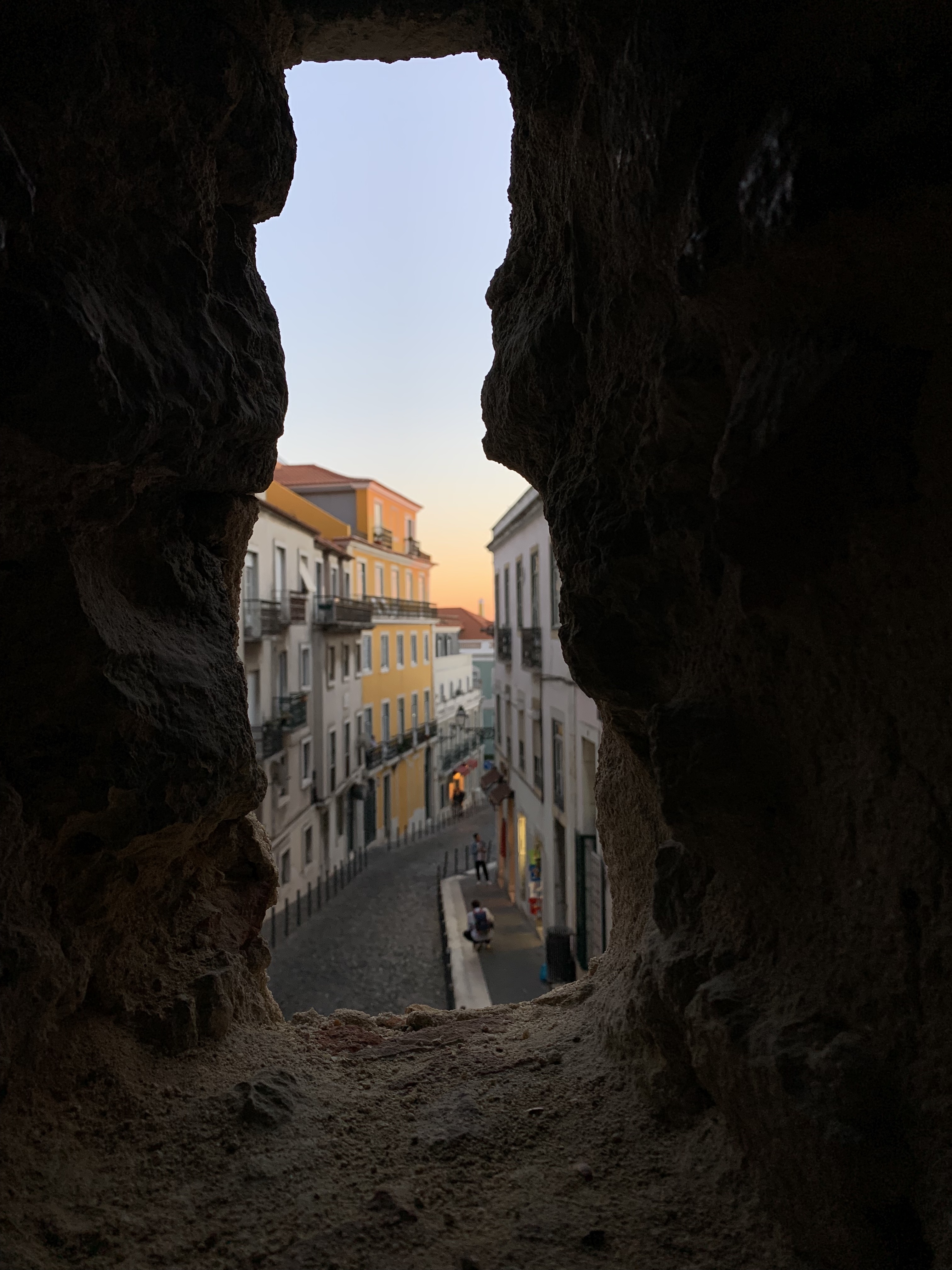
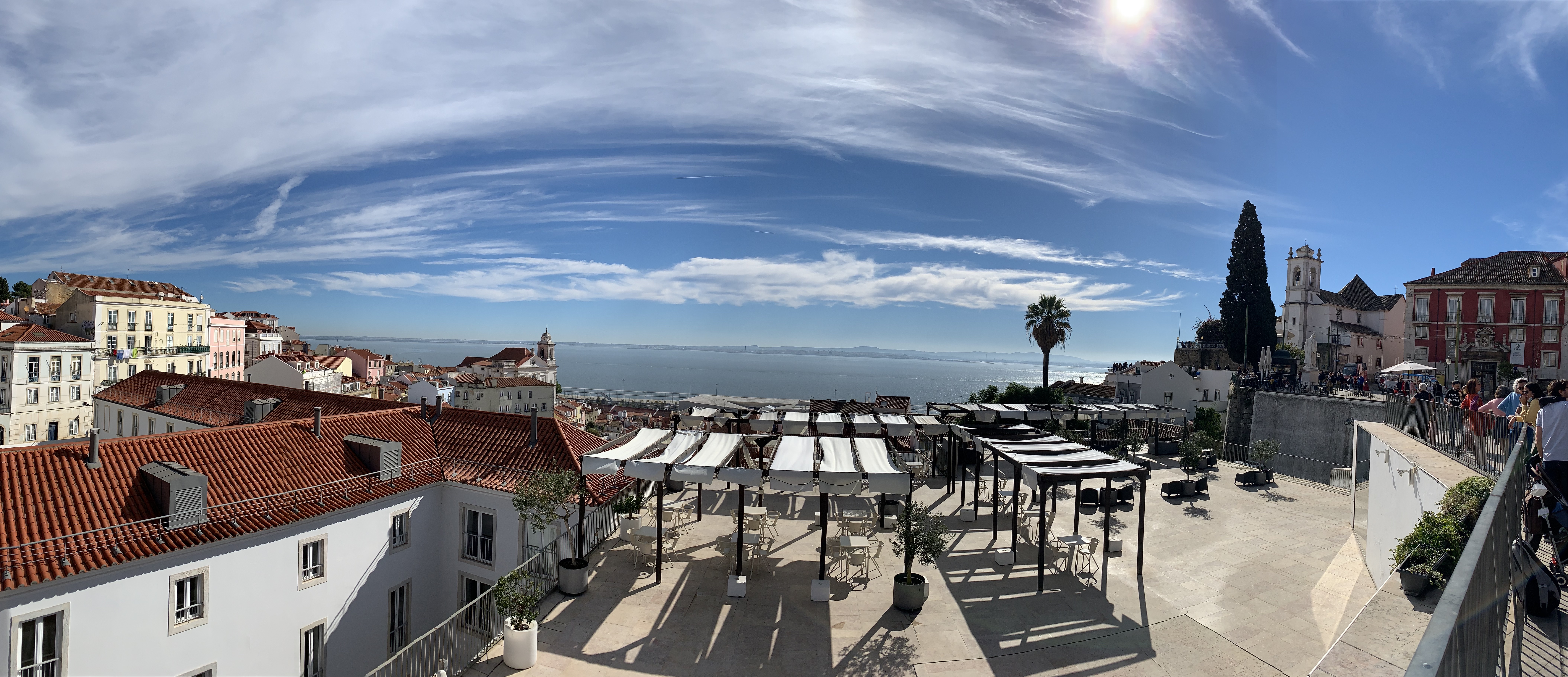
Lisbon is an incredible city. Every day we set out in a different direction to see what we can find and are loving the surprizes around each corner. We are staying up close to São Jorge Castle, so every direction we go seems to be up, then down, then up…you get the picture. 
As we’ve been experiencing the unexpected this week, I am reminded of the research Nathan and I published in 2019. The focus was on remote workers competencies for success, our attention being from a work context. Possessing those competencies goes well beyond working. If you choose to be a remote worker working from anywhere, or even working a more hybrid model, I would suggest the competencies identified need to be present to simply do life in such settings. The freedom to work and live anywhere is a gift and privilege to be treasured, but it also comes with responsibility — personal and professional, to make things work. It’s not easy to pack up and go to a different country to pursue such an adventure. We thought through all the possible scenarios of what might happen and were fairly confident we had contingency plans in place. We still were not fully prepared. When you pack up and leave, you are not only leaving your home with all the conveniences, you are leaving your support network—social, family, and medical. To be sure, you can reach out via text, email, or phone if necessary (but you need to first get that new EU sim card purchased), but with 8 hours time difference (for us anyways), they may be fast asleep when you are in the middle of it all. We are fortunate to have our son and family living in Europe, but they are not where we are. We have travelled to Europe several times, but this is not a vacation. I was born in Europe, but I left as a young teen. This is all so different.

Do we regret the decision to take this journey? Not for a moment! Would we recommend it to others? Without a doubt! Is it as easy as we anticipated? Not the first week! But there is so much more adventure to come.

Stay tuned. 
Portugal…here we come! Blog #97

It’s finally time!

As I write this blog, we are on the first leg of our journey from Canada to Portugal…I can hardly believe it has now become a reality. Just a year ago my proposal for an Extended Study Leave was granted, and our plans for the year began to take shape. There have been changes, adaptations, and many workarounds, but we did it; our eight month adventure in Europe has officially begun.

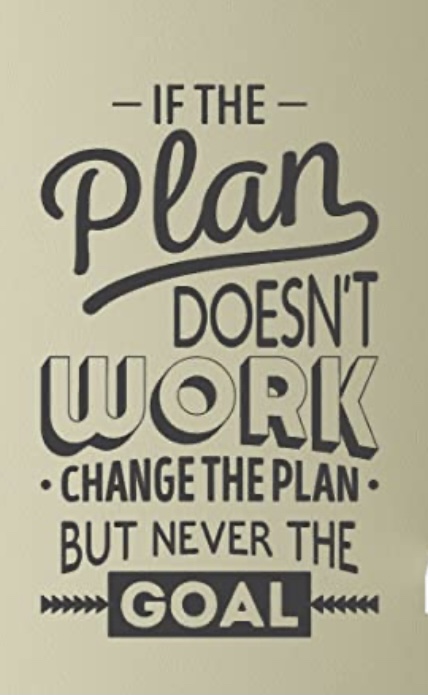
Looking back over the past year, we have had many hurdles to overcome. The original plan was to be in Europe for 12 months, visit at least 5 countries, and basically live life as digital nomads while I researched and interviewed around the topic of leading hybrid teams. You know the saying…the best laid plans… Well the goal remained the same, but the plan changed. A combination of the pandemic and kidney failure (for my husband), greatly tested our resolve to step out on this journey, but here we are! For the next 8 months we will split our time between Portugal and Spain, with a short visit to Finland, and perhaps…? Some plans are still fairly fluid.

Besides the many things I have already learned from my research (I’m setting those learning aside for this blog), I have a whole new appreciation for people choosing to travel and live abroad for an extended time. We watched our son and family pack up their 6 children and make the move to my home country of Ireland, and as a young teenager I immigrated with my parents and siblings from Ireland to Canada. I had, at least I thought I had, a good understanding of the process; was I ever wrong.   

It turns out there is no guidebook for what we are doing. Nor are there people in certain levels of governments who can give you the playbook for travelling to another country for 8 months. Don’t get me wrong, most of the folks I interacted with wanted to be helpful, and even tried, but nothing seemed to be as straightforward as one would think. 

 Born in Ireland, living in Canada, I have both an EU passport and a Canadian one…very handy. Early spring it was brought to our attention that my husband needed to have a visa to travel to Europe because of the length of our stay (I was even told that I needed one as well…hmmm). So we started the application process. Do you know how difficult and frustrating it is to find information on a website from a country that’s not your own, nor shares the same language? After many emails and phone calls, a lovely person at the Portuguese Consulate finally looked at the site and admitted, “Oh yes, that is rather confusing, isn’t it?” You see, there isn’t an option for our situation. I’m not going to Europe to work, my husband is retired, we are not travelling for medical reasons, I’m not providing training and development, we aren’t going to volunteer, nor am I going to further my education. Without making a selection, you don’t get access to the portal where the necessary documents can be uploaded and an appointment made. So, I had to choose something, and they would ‘fix’ it later. To make a really long story short, after a trip to the Consulate, more conversations, it turns out my husband didn’t need the visa we were seeking, but rather has to go through a totally different process once in Europe. We laugh about it now…but then, not so much. I do want to say that the young gentleman we eventually worked with at the consulate was great…it was certainly a learning process for all involved.

Covid also presented many challenges for travel, all also overcome. I never realized how many people you could call to find out the proper process, testing, timing, locations, without finding anyone who would give a definitive answer. Again, easy to laugh at now…but I can assure you, my Irish came out full force at times.

The other hurdle we were forced to deal with was my husband’s newly diagnosed need for on-going kidney dialysis. We are overwhelmed with the support provided by his medical team, our local hospital (Kelowna General Hospital)), solution provider (Baxter), client support, and government funding for the treatment Rob has received. Mind blowing to say the least! However, traveling overseas when one is required to hook up to dialysis each and every night is not a common practice. This, we learned, is new territory. Not to be defeated, we started asking questions, reading, seeking input, making phone calls, and came to discover that, while not without great effort, it is possible. So with dialysis cycler and transformer, extra solution for ‘just in case’, way more suitcases than our previous ‘carryon only’ travel mode, here we are.

Without the help and support of an amazing family, great friends, a fantastic medical team, and the opportunity to take time away from teaching at Okanagan College School of Business to entrench myself in research, we would not be 30,000 plus feet in the air, filled with excitement for what this adventure holds.

I hope you’ll follow along with our journey.

PS We are now safely in Lisbon…unfortunately our luggage didn’t make it! Decided it wanted to stay in Toronto 🤷‍♀️. Stay tuned!

I love learning…blog #96

I am thoroughly enjoying my extended study leave! It is such a privilege to engage in un-rushed, dedicated time to read inspiring writings that both challenge and stretch my thinking. In the busyness of a scheduled life, we don’t often have the discretionary time to hit ‘pause’ and actually ponder what has just been read. 

Here’s one such tidbit I came across while enjoying undisrupted reading time on a 4½ hour flight home from Toronto. Stanford Business Books share the following story: Matt Fineout, a Project Architect, worked for two days trying to reduce the square footage in a building he was designing. At the end of the time he had created an acceptable reduced plan…then he ripped up the paper containing the layout. His explanation was, “We proved we can do it, now we want to think about how we want to do it.” (Managing by Design) Just think how innovative we can be once we realize we can survive in this new way of working; how exciting when we get to the place of not just surviving, but actually thriving!  

I’m two and a half months into my research leave. So far I have engaged in the following: twenty four one-on-one interviews, five books read*, three Design Thinking courses completed through IDF, and several academic papers consumed. Perhaps it’s time to hit pause and share some initial insights gleaned as well as questions I continue to ponder.

  • While a focus on people is important, it is also vital to create processes. How might we encourage leaders to create these processes in collaboration with their team members?
  • Many managers are tired and starting to experience burn-out. They have the same responsibilities as before, but now have the added need to build into their people who are both remote and co-located. As many organizations move forward with hybrid formats, how might utilizing a more agile approach with sprints be more effective?
  • One size does not fit all. We can’t rigidly state that remote is the right option…each organization needs to decide the best configuration for their unique culture and context.
  • Freedom comes with responsibility, autonomy comes with accountability. When someone chooses to work for an organization and be part of a team, it is imperative to realize that freedom and autonomy are contingent on being responsible and accountable to the team…no matter where their work gets done. How might we facilitate a conversation among team members and leaders to clarify what this looks like?
  • Many organizations are giving managers responsibility to figure out the best way to make hybrid work for their unique teams. How might design thinking serve them well in creating processes, and open the door to more innovative practices? 
  • There seems to be a disconnect between upper level leadership and the workload of middle managers. How might we more effectively bridge that gap and help those leaders learn how to support their managers.
  • More focus needs to be paid to biases. Many leaders are blind to such ways of thinking due to years of mental models that ignore these tendencies. How might we support leaders as they work through unintentional biases?

So this is what I’m hearing, learning, and pondering so far. I don’t have answers, but believe that creating the right questions will help an emerging hybrid or work-from-anywhere workforce find their way to incredibly innovative ways of working. Perhaps the stories of those I interview, paired with relevant readings will provide further insight.

Books read so far:

Say Yes to the Mess   Think Again    The Practice of Adaptive Leadership   Where is my Office    Dark Social 

Music and leadership…blog #95

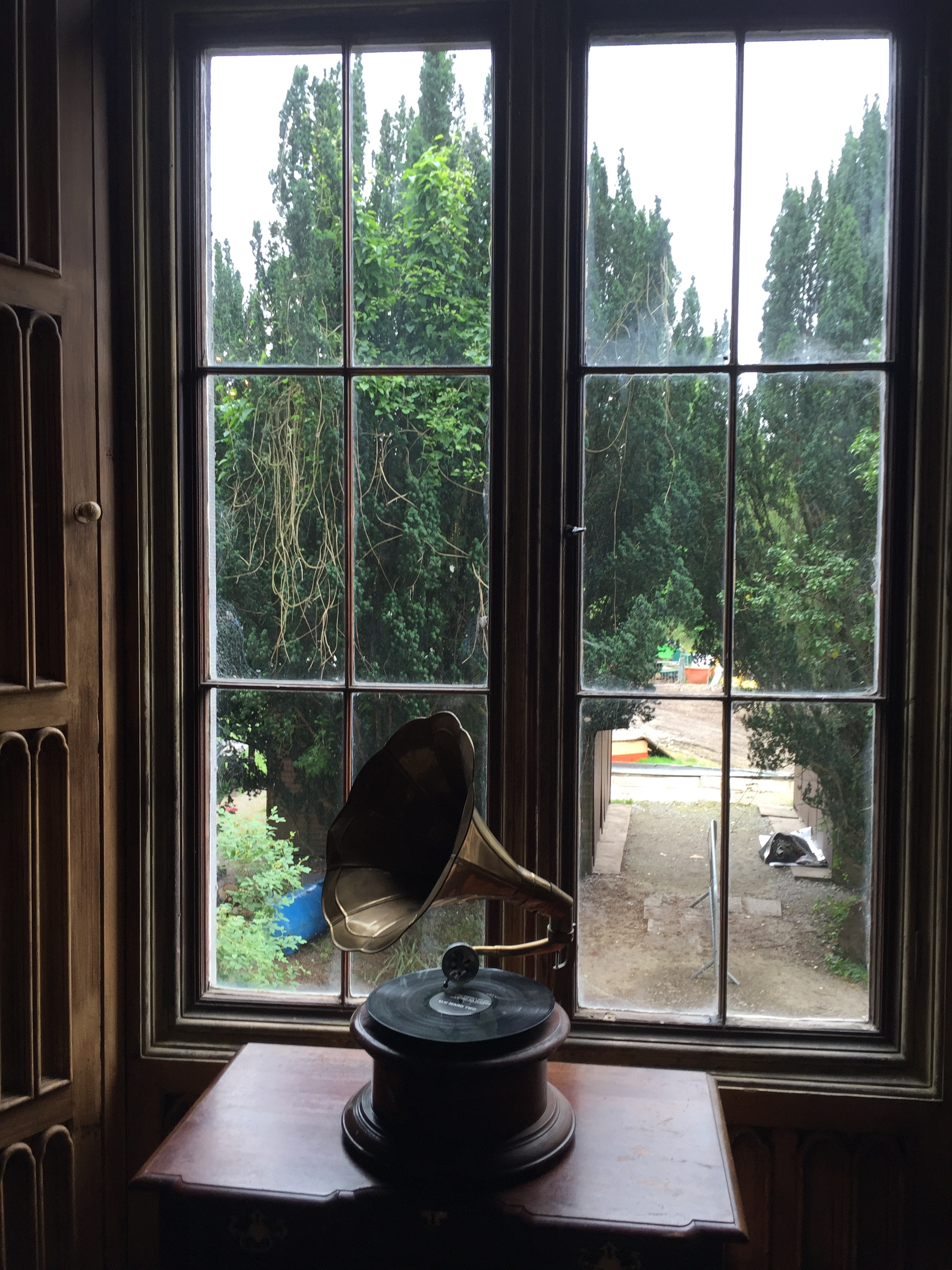
Charleville House, Ireland

I love music. 

Growing up, our home was always filled with music coming from the record player or piano as one of us kids practiced scales and scores for upcoming lessons and exams (my brother was the “star pupil” in our home). We loved listening to both our parents tickling the ivories; mom was an amazing sight reader, while dad just heard the song and played-by-ear.

While piano was the bane of my existence, I found my stride playing the clarinet in the high school concert band, and singing in various groups. If not for music, there was simply no point in going to school! Years later, as our kids reached high school, Christmas and year-end concerts were such a highlight as these dedicated students and gifted teachers produced some of the best jazz, choral, and orchestral music to packed crowds of proud family and friends. The music continued to ring out in our home as our son applied his musical passion to jam sessions with his friends, preparing for whatever gigs they could line up. Music was, and is, core to our lives.

Needless to say, when I came across the book Yes to the Mess; surprising leadership lessons from Jazz by Frank J. Barrett, I was intrigued. As both a jazz musician and a Professor of Management and Global Public Policy, Barrett understands the meaning of improvisation. He proposes, “What we need to add to our list of managerial skills is improvisation—the art of adjusting, flexibly adapting, learning through trial-and-error initiatives, inventing ad hoc responses, and discovering as you go.”

Wikipedia describes improvisation as “a very spontaneous performance without specific or scripted preparation.” So how can this apply to leadership, especially in light of the new team configurations leaders are now called on to lead? Ask most leaders today, and they will tell you there is no script for what they are currently facing, similar to a group of musicians getting together to create music. However, the success of great improvisation, whether in music or leadership, depends on a key ingredient, the foundational skill of the players. Those hours of practicing scales, those hours of honing leadership competencies, are the things great improvisation is made of.

However, for many leaders, working without a script can be somewhat daunting. I’m enjoying revisiting complexity theory. We can see through this theory how organizations become more sustainable, adaptive, and innovative…and I love that it recognizes how a combination of chaos and order produces the most creative outcomes. A leader and team can co-create a vision around their shared values, culture, and belonging; however, the path to realizing that vision may not be that straight. The plan may change and take some side trails along the way, and you can be sure obstacles (like a pandemic) will demand a detour. Still, if the goal or vision is clear, a leader and their team can improvise and end up where they want to go.

Bottom line? Embrace the chaos, focus on your people and your shared vision, and listen for the music.

Learning to re-think…blog #94

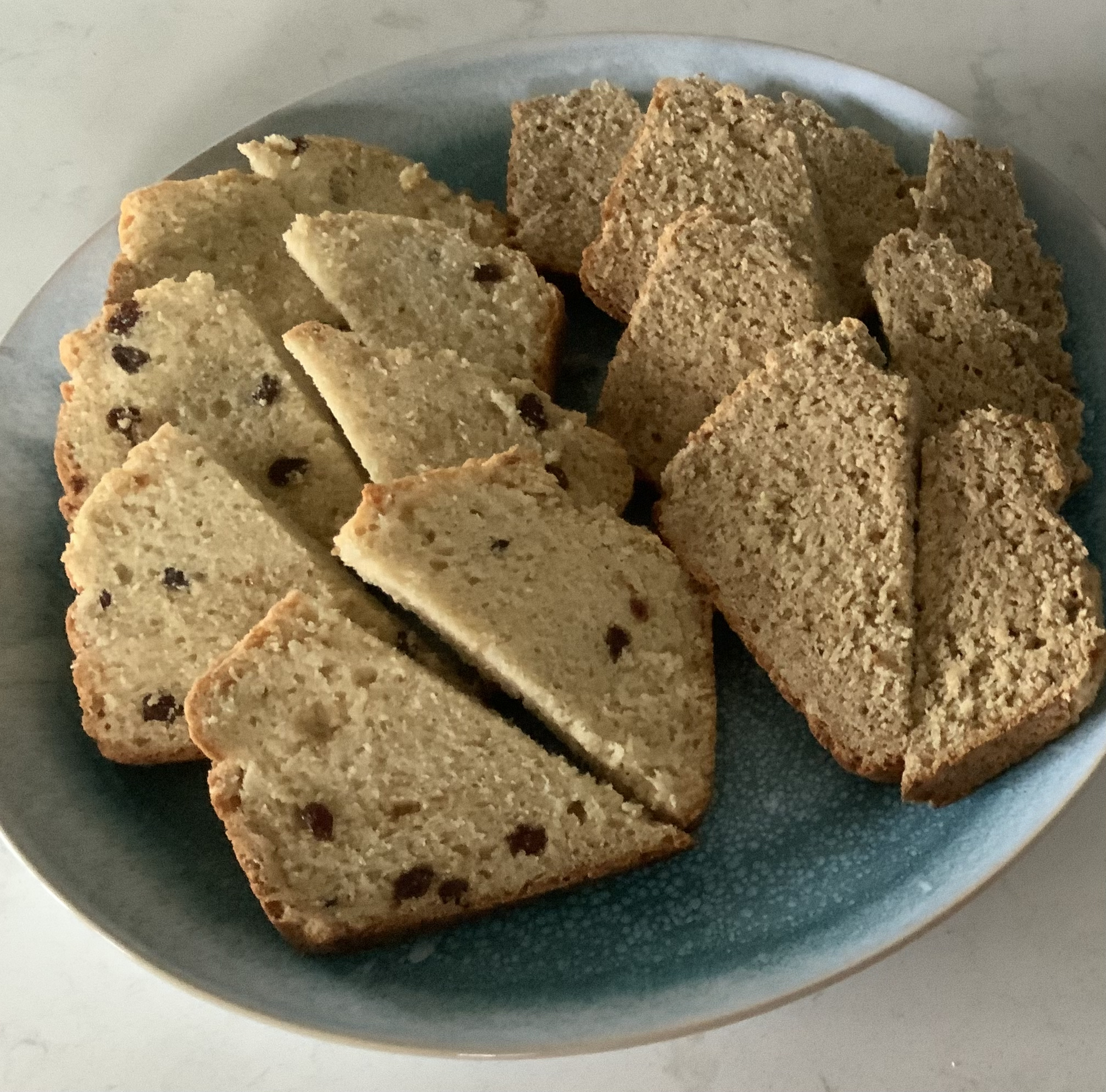
I love soda bread!

 For those who don’t know what it is, it’s the homemade bread I grew up eating in Ireland. Delicious warm, and even better toasted with lots of butter and marmalade. Sometimes Mom would add raisins, but even plain, it was scrumptious. It’s the one kind of bread I know how to make, and it turns out great every time. (Yes, this is a picture of my own handy work.

You can imagine my excitement when we turned on the TV and saw that the cooking challenge for the day on the Great British Baking Show was for the bakers to make their version of soda bread. 

Their version of soda bread?

When the challenge was further explained, and the bakers had to take the basic bread and make a savoury and a sweet version, my enthusiasm waned. My horror was fuelled when the creations included things like salmon, olives, blueberries, dried fruit…. How could they do that to Irish Soda Bread? Once the bakes were complete, and the judges did their tasting, I must admit that some combinations of ingredients actually may find their way into my next bake. 

I need to own the fact that I fell prey to the ‘that’s not the way we’ve always done it ’belief; I passed judgement before giving the ideas a chance to play out.

As I approach this research regarding proximity equity in hybrid or work-from-anywhere teams, my desire is to bracket my own beliefs and ideas, and adopt a posture of curiosity, inquiry, and learning. As noted in my previous blog, my learning journey includes interviews, reading books, examining research literature, listening to podcasts, and recording my learnings as I go (and probably several other things that will unexpectedly grab my attention over this next year). 

The book that is currently stretching my thinking is Think Again: the power of knowing what you don’t know, by Adam Grant. If you could see the amount of highlights I made in the book you would grasp the impact this book has had on my thinking! Here’s a quote from the author, 

“Thinking like a scientist involves more than just reacting with an open mind. It means being actively open- minded. It requires searching for reasons why we might be wrong—not for reasons why we must be right— and revising our views based on what we learn.”

Read that over a few times before moving on…I had to. Let me state again that I am 100% Irish, which means I was raised in a home where heated dialogue was welcomed and encouraged, and we learned how to argue our point and get our opinions across before leaving the table. Fairly respectfully, for the most part, but the winner was the one who’s ideas or opinion was strongest, not the person who was the most open to being wrong! The idea of embarking on research, looking for reasons to prove a hypothesis I had already bought into, was actually a refreshing concept. As encouraged by Adam Grant, I’m learning to recognize my cognitive blind spots and revise my thinking accordingly.

In the early stages of this research, I am already finding the need to ask more questions to gain insight into people’s experiences, to intentionally listen hard, to bracket what I think they may say about how a certain situation could or should have been handled. By learning to think again, I find I am beginning to watch and listen for the gaps, the pauses, the unspoken emotions—and to gently probe for what’s not being said. 

As I look for themes about what it takes to lead in this new context, I’m seeing the idea of leaders needing to be willing to re-think their positions, their beliefs; to be ok with admitting they’re wrong. I’m also becoming more aware of the need for leaders to be willing to provide honest, constructive, specific feedback, even if it’s not what their members want to hear. That takes courage and it takes a willingness to maybe not win the boss of the month award; it also demonstrates a deep desire to see their members succeed, to do what it takes to serve their needs, not the leader’s own needs.

A question I may be adding to the interviews going forward…

“If I knew then what I know now, what would I have done differently? How might that inform how I think and act moving forward?”

How would you answer? I’d love to hear about it.

There are so many more take-aways from the book, it is well worth the read! 

A big thanks to those of you who graciously subjected yourselves to an interview these past three weeks…you know who you are. I can honestly say, without folks like you, my learning  journey would be crippled! As would the final outcome of the research. And thanks to the many interviewees still to participate.

And so the new research journey begins…blog #93

“It is a capital mistake to theorize before you have all the evidence. It biases the judgment.”

– Sherlock Holmes, A Study in Scarlet (1887)

Photo by Tatiana Syrikova on Pexels.com

It’s been a long time coming, but it’s here! I officially started my extended study leave, great thanks to Okanagan College for the privilege of such an opportunity.

When I began planning for this back in February 2019, never could I have imagined how life would have changed by the time I flipped the calendar to August 2021. Every area of our lives have been touched with both joy and sorrow. We’ve laughed, cried, shaken our fists, embraced, accepted, and are learning how, on a daily basis, to not let circumstances define us. The ‘us’ is my husband of 43 years, and myself; together we are embarking on an exciting journey, unsure of what all will unfold, but ready to embrace the unknown.

As many of you may know, I am a business professor, and a ‘remote work’ consultant. I have appreciated the privilege of adapting a form of ‘work from anywhere’ for most of my professional life. In my early career, I was fully supported by my employers to work either in the office, or from home, whatever was needed. I have enjoyed having a co-located office, as well as a home office, teaching amazing students in face to face classroom settings as well as fully on-line, working from amazing coffee shops in North America and Europe, all the while ensuring that the way I work reflects the high work ethic I was raised with. These opportunities have been the impetus for my focus on exploring the people aspects of working from anywhere.

Now, as I embark on a new research project, I am excited to learn, relearn, have my opinions challenged, and in return contribute my findings to the many individuals, teams, and organizations who are facing challenging and exciting transitions in how and where work gets done. The first research, conducted with my son Nathan Sawatzky, focused on Competencies for Success in Remote Workers. This led into a research project with Ian MacRea as we looked at Personality Traits of Remote Workers. Looking back on this research released over the past couple years, never would we have predicted the importance and impact of our learning for a time of such disruption. 

What’s next? Where is my current focus? The overarching question I am seeking to find answers to is “What does it takes to lead successfully in a work from anywhere context, ensuring proximity equity for all”. I want to hear stories from both leaders and members regarding how they have experienced proximity equity, especially when discussing access to resources (support, training, data, promotions, collaboration…). And, as we all know, there is also much to be learned from those who fall victim to proximity bias, so those stories are also of great value. Many are still in the early stages of these new working contexts, while others have been living in a more hybrid or work-from-anywhere format for some time…the common denominator is people. As leaders we need to talk responsibility for self-leadership, while ensuring our members are supported and equipped to be the very best of who they can be.

So, vaccinations received, accommodations reserved, flights booked, my husband’s visa application submitted (I get to travel on my EU Passport as an Irish National!), all the biggies taken care of. The plan is to work from our home in Kelowna, BC, Canada from now through the end of October, then hop on a plane for Portugal to saturate ourselves in the Portuguese culture for four months. Next stop Valencia, Spain for another four months. Before heading home at the end of June, we will spend a bit of time with our son and his family in Finland. Of course, this is all dependent on the skies remaining open for travel! Knowing this may be a possibility, plan ‘B’ will still allow my research to continue, all thanks to the opportunity technology provides for working (or researching) from anywhere! 

However, our first choice is to experience first hand what it means to truly work from anywhere, and live in cultures not our own. I love this quote from Interactive Design Foundation (IDF):

“Research can be compared to interacting with the ocean. On the surface, we may see calm beauty or turbulence; however, we can only fully understand the bigger picture once we submerge ourselves and go much deeper. In order to gain a holistic, empathic understanding of [those impacted] and the problem we are trying to solve, we need to question everything, even things that we think we know the answers to.”

I invite you to follow along with, and participate in, our journey. I have a list of books to read, literature to review, podcasts to glean from, and most important, interviews to conduct with the experts…those of you who are living the reality of work from anywhere contexts.   

If you are interested in a conversation please reach out to me, Roberta Sawatzky…I would love to hear your stories!

Time out to take in…blog #92

It’s June. Something about the start of summer that requires one to slow down, create space for down time, and recharge. At least that’s what it means for me.

The past 18 months have been a whirlwind, filled with events and happenings that have pulled every emotion out of me. The full spectrum! I know I’m not alone in this. Taking time to think, to create, to breathe, has been pushed to the back burner.

But, it’s June, and it’s time. I wrote in a past blog about the excitement of my upcoming, one year, Extended Study Leave that officially starts August 1, 2021 (big thanks to Okanagan College for this!). I’ve planned for this, looked forward to it for quite some time, and find it hard to believe that it is only two months away! It will be a time filled with learning for me: reading, writing, interviewing, reflecting…repeat. By the way, the focus of the research and inquiry will be on Proximity Equity in Hybrid Teams. I’ll be looking to chat with both leaders of hybrid teams and team members to hear their stories. If you are interested in a virtual chat, please reach out to me at rsawatzky@okanagan.bc.ca. COVID willing, November will find us heading to Portugal and Spain to fully experience working from anywhere while continuing the research.

So that’s August, this is June. Part of me wants to jump in with two feet, to just get started with the research. But a greater part of me gently suggests that it’s time to wait, to pause, to let transitions happen, to watch, to take in, to let my mind wander, to allow it to create, to write, to reflect. For once I have decided to listen to that quiet voice, to prepare, and be ready to hit the ground running!

This past semester, I had Rowena Hennigan (virtually)speak to my third year business students…her topic was psychological health. Rowena, message heard and received! 

So what does this look like? Hmmm, well, it for sure includes making time to read for pleasure, for walking, biking, spending time with family and friends, taking in the beauty of this amazing part of the world we live in, and perhaps even sitting doing nothing!  It also means taking a bit of a social media break (talk about FOMO!), but I’ll be there, on the sidelines, just taking a peak at what my colleagues across the globe are learning and experiencing…but more as a spectator than a participant.

So for now, at least until August, I’m signing off. But I’ll be back, full of excitement and energy to start this next leg of the adventure. 

Have a fantastic summer…and be kind to ‘you’!

Leading and learning, why?…blog #87

Odeon in Ephesus ~ the Bouleuterion

I really love learning, but these days learning can feel more like a chore. Growing up, if you were to ask my teachers or parents, they would not say a love of learning would define my school days, unless you were talking about anything to do with music. In high school, I had no problem getting to school by 7am, three mornings a week for choir and band practice, and I was thrilled to go to school on the days I had music classes in my timetable, but on the other days, I can’t honestly say I was a model student.

While I loved music lessons at school, private piano lessons were a completely different thing. To be fair, my lesson followed my older, focused and very musical, brother. We both faithfully practiced everyday (thanks to Mum’s perseverance), but somehow Ian kept getting better; me, not so much. I still remember the horror of walking into a very sterile, institutional building in Belfast to take a Royal Conservatory piano exam. Finally, the inevitable happened, our very stern piano teacher, had a talk with my parents. It went something like this, “You are wasting your money having Roberta in piano lessons; she doesn’t have a musical bone in her body.” That was my last piano lesson. I was ecstatic! I now had an extra three hours every week to do what I loved – ride my bike, roller skate, and hang out with my friends. I wonder what Miss Thompson would say if she knew I went on to achieve first chair as clarinetist in our high school orchestra, and travel for two years in a prestigious singing group?  

So what made the difference in my musical education? I think two things were at play: a desire to learn about the subject matter, and the learning environment. I really did not want to take piano lessons. I did, however, want to play the clarinet and sing. I love learning with others, and I have always loved creating music with others; I never do well in an ‘stick’ vs ‘carrot’ learning environment. It not only breaks my spirit, but it awakens my stubborn Irish ire (I know, not very mature).

Why is this concern over learning such a pervasive thought in mind? What really is irritating me? If I love learning so much, why am I feeling overwhelmed and fatigued with learning these days? I found this statement when reading a blog by Dean Yeong

The abundance of information and the ease to access it quickly becomes a severe problem for people who are curious and want to learn almost anything. They’re constantly consuming information to the point that they don’t have the attention left to take action and to produce.

I wholly resonate with Yeong’s sentiment. This ‘problem’ becomes especially challenging when such a fire hydrant of information comes at us from every direction; this is one of the advantages, and disadvantages, of ready access to the totality of human knowledge at our finger tips. Add to this abundance is the reality that for some folks, this past year has left us with more time to follow our curiosity. As leaders, we are coached with leadership wisdom such as:

“We now accept the fact that learning is a lifelong process of keeping abreast of change. And the most pressing task is to teach people how to learn.”  Peter Drucker

“Leadership and learning are indispensable to each other.” John F. Kennedy

Such appeals can unintentionally create added pressure on struggling leaders in today’s complex working environment! Don’t get me wrong, I am committed to lifelong learning, I just need to intentionally filter both the content and the source of information. I need to focus on what I can and should research in order to make a difference in the lives of those I am humbled to influence; to focus on what I deeply care about. I need to learn, to dialogue and debate with others who will challenge my thinking and shed light on the dark corners I am overlooking.

The good news is that I have such amazing people in my life: family, friends, and co-workers. For this I am both blessed and eternally grateful. However, it’s up to me to set up the filters necessary to not drown in the abundance of information, and make time to probe, ponder and assimilate what it is that will make a difference in what I most care about. It’s the richness of the dialogue and debate that makes such a discipline all the more precious.

Here’s another great quote on leading and learning. This one stirs in me a desire to jump up and shout ‘YES!” As leaders, this is why we learn!

“Real learning gets to the heart of what it means to be human. Through learning we re-create ourselves. Through learning we become able to do something we never were able to do. Through learning we re-perceive the world and our relationship to it. Through learning we extend our capacity to create, to be part of the generative process of life. There is within each of us a deep hunger for this type of learning.” ― Peter M. Senge

References:

Yeong, Dean. (2018). Knowledge Prioritization; How to prioritize what you should learn first https://www.deanyeong.com/article/how-to-prioritize-what-to-learn

Interaction Design Foundation. (2020). Information overload, why it matters and how to combat it.

https://www.interaction-design.org/literature/article/information-overload-why-it-matters-and-how-to-combat-it

Leadership in 463 steps…blog #86

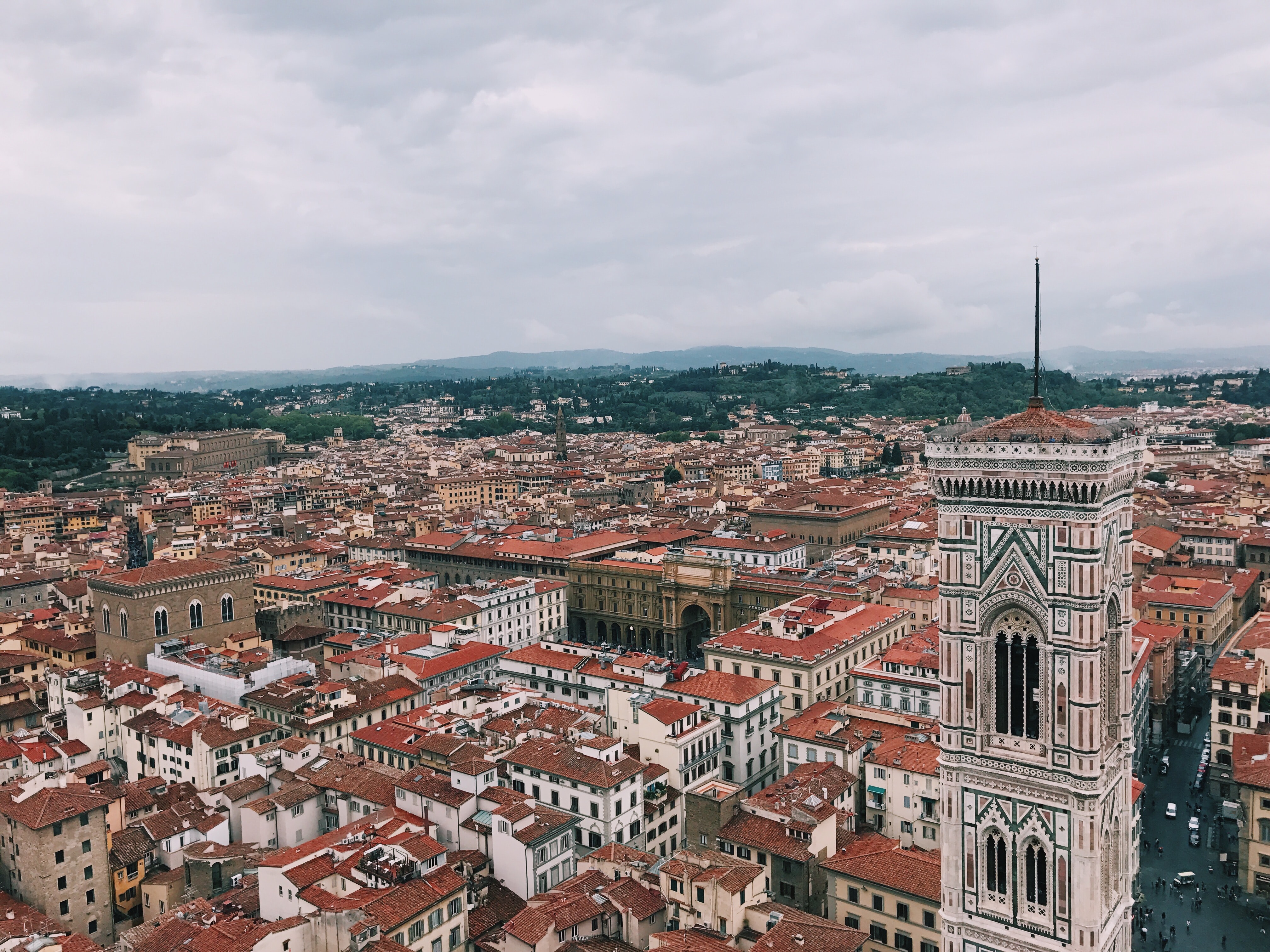
View from the Duomo, Florence, Italy

I am basically an impatient person; a person of action. Multi-tasking comes easy and being in the midst of the ‘action’ is stimulating. My mind works fast! I receive information and quickly sort through it to get to a point of resolution. Making decisions is fairly easy for me. However; through the school of hard knocks, I have learned that impatience, action, quickly assimilating information, multi-tasking, and fast decision making is not always a good thing! In fact, it’s rarely a good thing when, as leaders, we are faced with making decisions that impact those we are called to serve and support.

Many people have heard of the concept ‘balcony view’. It refers to the mental (or physical) action of stepping back and gaining perspective. I first heard about it shortly after visiting the Cathedral of Santa Maria del Fiore, the Duomo, in Florence, Italy. We had spent a few days visiting places like the Galleria Dell’ Accademia and were moved by Michelangelo’s David, an impressive 17′ statue of detailed strength and beauty. We leisurely walked through the Uffizi Gallery, awed by the magnificent paintings by artists such as Raphael, Botticelli, and da Vinci. And of course, we delighted in the many cafés with their delicious pastries and memorable coffee. We quickly learned the difference between al tavolo and al banco pricing! Exploring Florence was such an amazing experience.

After putting on many foot-miles, our final adventure was to climb the 463 steps to the top of the Duomo. The staircase quickly narrowed to a spiral climb – suffocating for a claustrophobic!   

However; once we broke into the warmth of the afternoon sun, we were rewarded with the most magnificent view…Florence from 114 metres! We could trace the path of our explorations, see each location in relationship to others, and even notice places we didn’t realize existed. I think you get where I’m going with this. 

We thoroughly enjoyed exploring Florence, but until we made the climb to the top – to the balcony – it was a series of magnificent, but isolated experiences.

Heifetz/Grashow, and Linsky added to the Balcony View concept by referring to the action of – “moving from the dance floor to the balcony“. We love the  dance floor. We love being at the heart of the action, enjoying the energy of everyone dancing to the same beat. It’s difficult to pull ourselves away, to step up to the balcony and be an observer rather than a participant. But as leaders, we must. But what are we doing on the balcony?

Heifetz and his co-authors suggest three activities in which we need to engage from the balcony: observe, interpret, and intervene.

If you were to ask what we saw from the top of the Duomo, each of us would have described something different — all correct, but different. This is an important part of observing. We look at things through the lens of our personal experience and bias, so when on the balcony our view or perspective is broadened a more inclusive view of what’s happening in the everyday workings of our team or organization. The authors encourage leaders to then move into the practice of interpreting what they have observed. Once more we need to acknowledge the fact that we interpret our observations differently than our colleagues. In my previous blog I introduced the importance of checking assumptions…this is a perfect example of how the practice of critical thinking will enhance how we interpret our observations. In our human desire to get to solutions, we may tend rush through this interpreting stage. Taking time to consider, to ponder, to reflect, will enhance our accurate deciphering of what our senses take in. This pause and will greatly impact the interventions or actions we put forth. Remember, action is the result of decision making. 

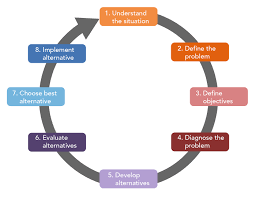
I appreciate how John Dewey approaches decision making. Following a close examination of the situation (as noted above), consideration should be given to possible alternative directions in addressing the matter at hand, weighing the evidence, choosing what is deemed to be the best path, and then taking action. But it doesn’t end there. Leaders need to identify when the decision will be reviewed and potentially altered.

We took 463 vertical, winding, narrow steps to get to the top of the Duomo, a very intentional climb. It would have been foolish to immediately do the return trip without taking time to pause and appreciate the view. And, once we got to ground level again, we discussed what we saw, what amazed us, what we missed seeing in our Florence walk-about, and what we would still do. In other words, we didn’t make the climb only to ignore what we observed. We observed, interpreted, and finally intervened with a new course of action. 

Leaders of people, are you ready for a Duomo experience? It’s truly worth it.     

References:

Heifetz, R. & Grashow, A, & Linsky, M. (2009). The theory behind the practice. A brief introduction to the adaptive leadership framework. Harvard Business Press. https://cambridge-leadership.com/documents/Ch-2-Theory-Behind-the-Practice.pdf

PSDP-Resources and Tools: Moving from the dance floor to the balcony. https://practice-supervisors.rip.org.uk/wp-content/uploads/2019/11/Moving-from-the-dance- floor-to-the-balcony.pdf

University of Massachusetts (n.d.). 7 steps to effective decision making. https://www.umassd.edu/media/umassdartmouth/fycm/decision_making_process.pdf

Photo of Duomo view by Chloe Xie on Unsplash

Leading and critical thinking…blog #85

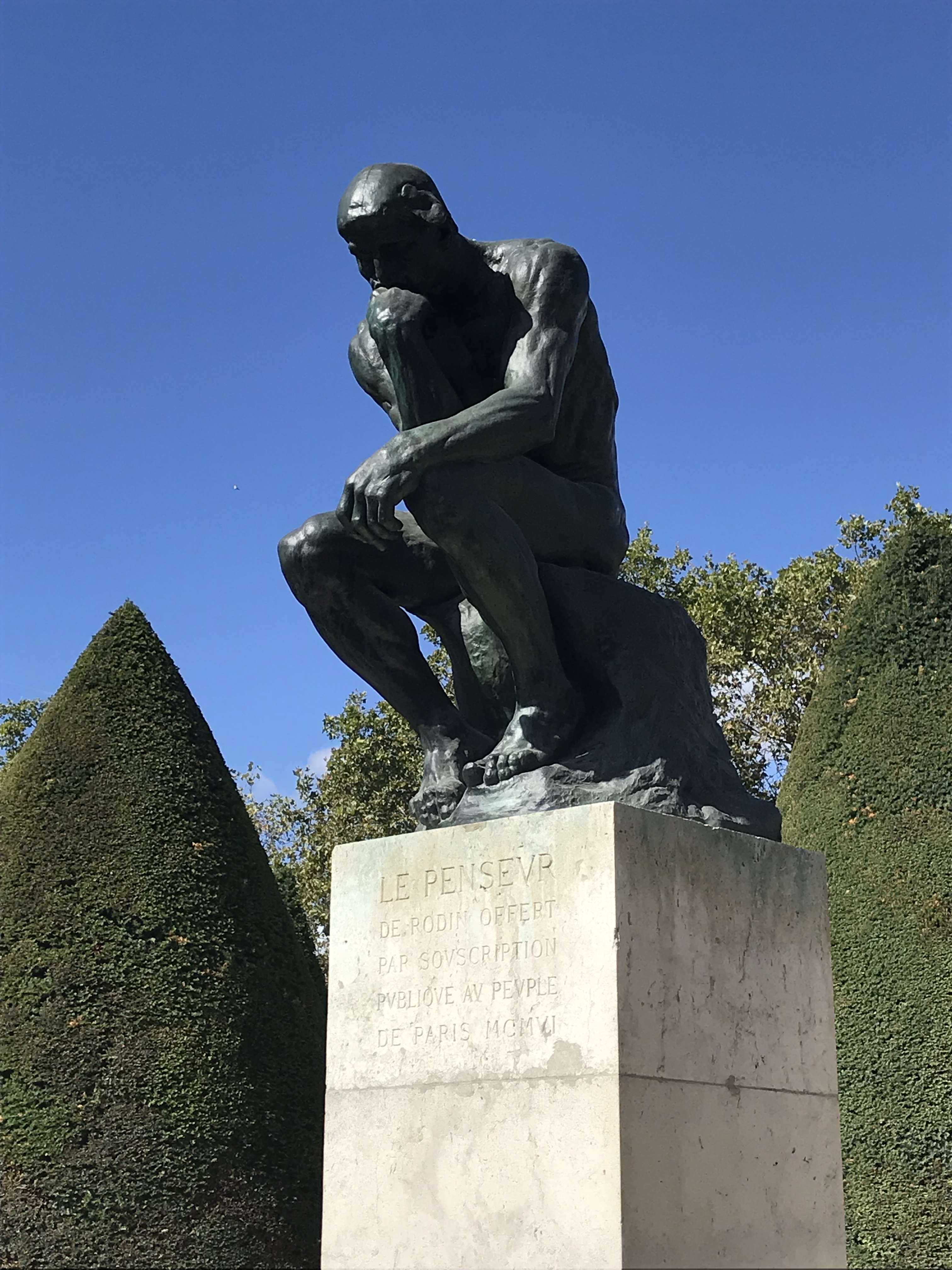
In my leadership class this week we will be looking at the importance of critical thinking. We hear about it all the time, but fail to realize it truly is one of the most important elements to consider at this time.  I began digging by looking at Stephen D. Brookfield’s book, Teaching for Critical Thinking,and it has certainly created a deeper desire to more analytically consider my own ability to think critically. A word I learned during my Post Grad studies was metacognition. It’s a great word that is packed with so much substance.

“…thinking about one’s thinking. It refers to the processes used to plan, monitor, and assess one’s understanding and performance. Metacognition includes a critical awareness of a) one’s thinking and learning; and b) oneself as a thinker and learner.” Nancy Chick

When we put these two things together, critical thinking and metacognition, something really important begins to emerge. Consider these questions as you continue reading:

  1. Do I engage critical thinking during these times?
  2. What assumptions influence my decisions?
  3. Am I clear on my values?
  4. Who am I focusing on?

So let’s put this in context of what leaders are facing in our current leadership ethos. Not only do they face the challenge of guiding their teams through uncharted waters, but in the process they are expected to learn new tools, new terminology, new ways to motivate and measure performance…I could go on! However; perhaps one of the most challenging aspects of leadership today looks at preserving culture within an organization. Or possibly the question is more about whether there is a culture worth preserving? Or maybe the realization hits that it’s time to consider the health of the culture, or to examine if what was believed (stated) as being the organizational culture is in fact what teams and customers are experiencing?

My intent is certainly not to address organizational culture in this blog (perhaps at another time), but to look at what critical thinking skills a leader needs to employ when examining such matters.

In his writings, Brookfield suggests the purpose of thinking critically is “…so we can take informed actions…not just to survive, but also to live and love well”. Beautiful. In order to do this he states that individuals need to discover what assumptions influence the way they think and act. He then encourages the checking of those assumptions as to whether or not they are valid and reliable. Finally, Brookfield urges that time is taken to envision our assumptions from others perspectives and points of view. All this before any informed action is taken.

But (and there so often is a ‘but’), the ribbon that must run through all of this is: values. What values actually inform our critical thinking. As leaders, do our values encourage critical thinking that leads to decisions and actions that truly are in the best interest of those we are entrusted to serve?

Back to leadership ethos. The American Heritage Dictionary defines ethos as “The disposition, character, or fundamental values peculiar to a specific person, people, culture, or movement.

Moving that into the realm of leadership ethos, we learn that:

Leadership ethos is associated with actions which add value, honour commitments to stakeholders and society…leaders…choose service over self-interest.” Dr. Ken Kalala Ndalamba

Getting back to those guiding questions, let me once again ask, as leaders do we:

  1. Take time to think about how we are thinking critically when navigating and guiding our teams through uncharted waters?
  2. Do we stop to consider what assumptions are influencing our decisions?
  3. Are we clear about, and committed to, the values that guide our actions?
  4. Does the leadership ethos we create result in putting those we serve over self-interest?

Interested in talking more about this? Please feel free to email me, reach out via LinkedIn, or simply comment on this post.

References

Chick, Nancy. (nd). Metacognition: thinking about one’s thinking. Center for Teaching, Vanderbult University. https://cft.vanderbilt.edu/guides-sub-pages/metacognition/

Brookfield, Stephen D. (2012). Teaching for Critical Thinking : Tools and Techniques to Help Students Question Their Assumptions: Vol. 1st ed. Jossey-Bass.

Ndalamba, Ken. (2017). Leadership Ethos and Culturally Oriented Strategic Management: A Conceptual Framework and Research Propositions. Journal of Values-Based Leadership. 11. 10.22543/0733.62.1216.

Photo by Marcel Strauß | @martzzl on Unsplash