Probe & Ponder…
Exploring books, learning, travel, life experiences & adventure with author, Roberta E Sawatzky
Almost all good writing begins with terrible first efforts. You need to start somewhere.
Anne Lamott
Are you ready to explore new adventures through life’s obstacles and transitions? Welcome to this first edition, sharing my ponderings with a community of curious, courageous readers who’ve connected with my books:
“What If…? Finding new adventures through life’s obstacles.” and “Between Here and Where? Embracing life’s transitions.”
Each month, you’ll receive:
- ✍️ Insights on writing and creativity (from others wiser than I)
- 📚 Book recommendations that inspire and challenge (from my readings)
- 🌱 Quotes and insights on overcoming obstacles and embracing change
- 🎧 Thought-provoking podcasts worth your time (from my listening)
- 💬 Life stories or travel pictures to inspire your writing journey
Books & Podcasts
Podcast:
The Writer’s Routine Podcast is a great source of inspiration. In a recent episode, Faith Hogan shares her journey to becoming a bestselling author. She describes writing as a “punster,” letting stories evolve naturally. Her novels often take place on fictional Irish islands to shape atmosphere and theme. She explains her commitment to uplifting fiction and the core elements needed to engage readers.
Book:
There are so many great books on writing… all offering great value. The first book I read when I only dreamed about writing a book was Bird by Bird by Anne Lamott. Lamott offers practical advice and honest reflections on the writing life, encouraging writers to focus on small, manageable steps, rather than feeling overwhelmed by the whole project. She blends humour, personal stories, and hard-earned wisdom to address common writer struggles like perfectionism, self-doubt, and writer’s block.

October in Hawaii
Writing Tips
Memoir writing is all about telling your story. Here’s a tip to help get you started:
Pick a Memory
Choose one moment that sticks with you—it doesn’t have to be dramatic.
Example: your first day at a new job, a family dinner, a childhood walk to school.
Set the Stage (5 minutes)
Write down where you were, what time of day it was, and who was there.
Use sensory details: What could you see, hear, smell, touch, taste?
Zoom In (10 minutes)
Describe one action or exchange in real time.
Instead of “My grandmother was kind,” write a scene:
“She slid the last piece of pie across the table to me, her eyes twinkling as though she had a secret.”
Reflect (5 minutes)
Add a short reflection on why that moment mattered.
This bridges memory (what happened) with meaning (why it’s part of your story).
Writing Prompts (from my travels)


What am I up to?
I’m mulling around an idea for a new book. I love telling stories from life experiences, but I would also like to try my hand at fiction. So, I may attempt to create a memoir-esque, factional novel, autofiction… not sure what the correct term is. Or maybe I’ll just stay in my lane and write stories from life that hopefully inspire, motivate, challenge, and produce a giggle. The pages are still blank… perhaps I’ll have more clarity to report in the next newsletter.
“You’re never too old to set another goal or dream a new dream.”
C.S. Lewis












 Before taking a break for holidays, I want to post one final blog regarding remote work (I’ll continue to post again in September). A student asked me today for clarity around competencies…a valid question. How do you differentiate basic skill know-how, from a competency? This is important to clarify as we consider those key to remote work. I like this definition from
 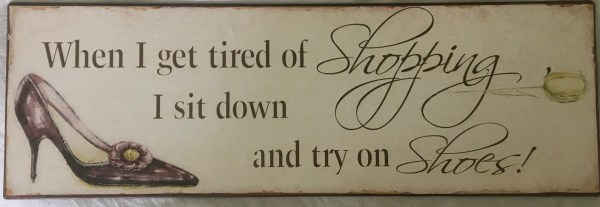 However, that doesn’t mean I know how to sell a pair of shoes in such a way that a loyalty and ‘relationship’ has been seeded with the customer. Do I discover why the shoe is being purchased? Did I learn anything about the customer and his/her likes and dislikes? Have I created a shoe shopping experience for the customer that they will come back for, AND tell their friends about? We are talking about behaviour here…what kind of behaviour would you be able to observe as I served the customer? Perhaps excellent customer service? Perhaps some level of empathy? Those behaviours are what we call competencies.


 Probe and Ponder…learning from life & travels with Roberta Sawatzky