Category: Working remotely

Remote workers—trust and communication skills

You don’t get too far along in the discussion of trust-building before hitting on the importance of communication: verbal, non-verbal, written… and the channels used to convey the desired message. A message delivered effectively can provide the platform on which trust continues to be developed; however, a message miscommunication can create barriers, misunderstanding, and even offense that could lead to the shredding of progress made along the road to trusting relationships.

Kavi Guppta, a self-declared digital nomad, in a recent webcast “How to survive work in the 21st Century”, spoke about his ‘Holy Trinity Model’…skills you need to master no matter the job. Communication makes the top three:
– Organization: time management, billing, get jobs…
(How organized are you?)
– Process: how you do the work (music, selling shoes, cooking…)
(How well do you implement an idea?)
– Communication skills: how to talk to all involved in your work…all stakeholders.
(How well do you communicate that idea?)

Jeff Robbins – PIAF: Management Distributed (Yonder), speaking in the same webinar addressed the communication challenges faced by distributed teams and remote workers. They are:
– Very little nonverbal communication
– All communication needs to be intentional
– Most communication is archived (forget the delete button!)
– Very asynchronous
– Communication can by syndicated

The above list could be expanded on (and I intend to in future posts), however, the bottom line is that good communication takes skill and intentionality, AND it matters!
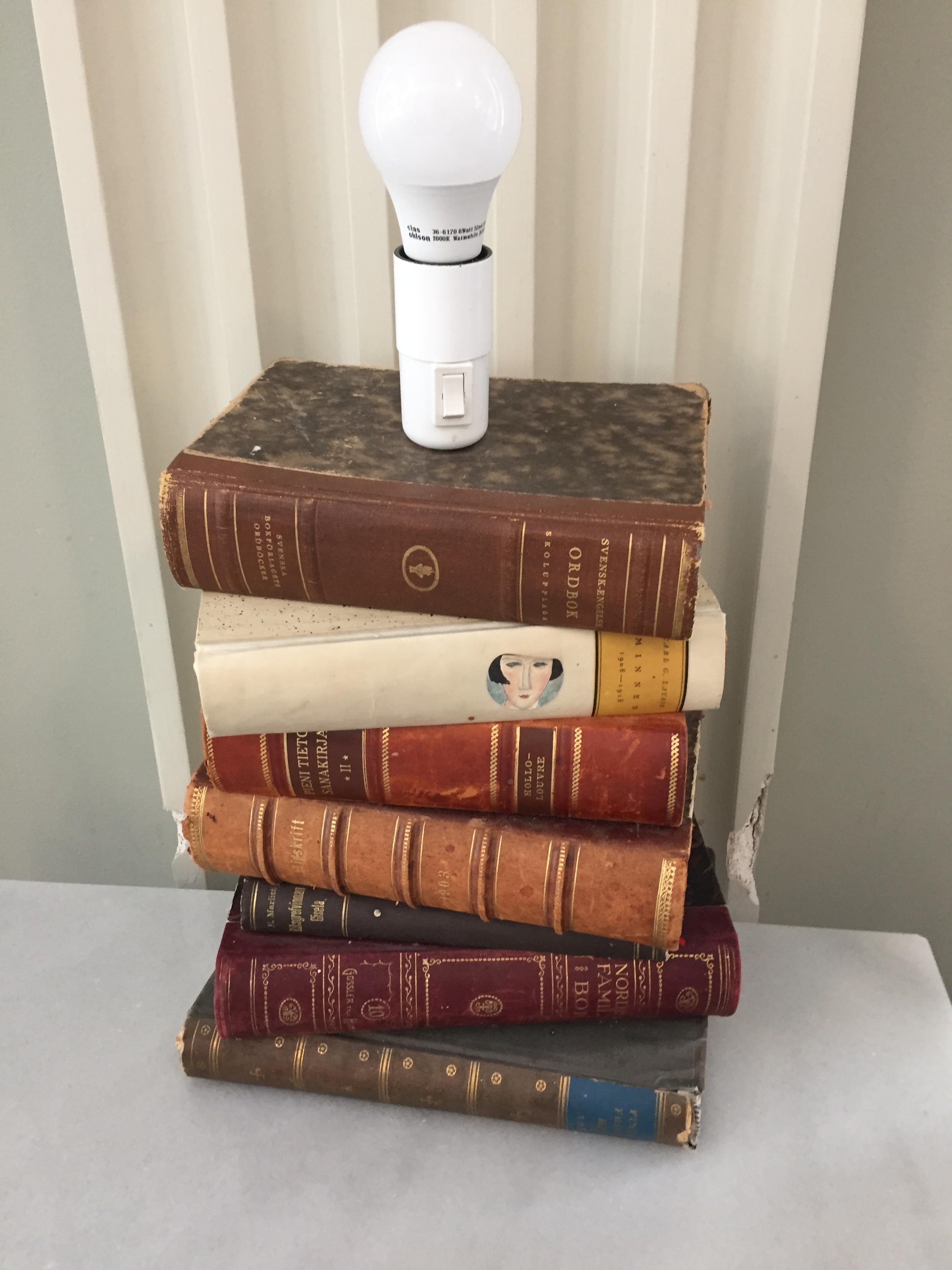
Remember back when reading and writing were the cornerstones of education? A time when the very act of writing was something of an art form? While I concede that artful handwriting may not be as important as it once was, the ability to create word pictures that enable your readers to truly get what you’re saying without the use of emoticons has never been more important to the business person than it is today.

For remote workers, much of their communication is indeed in written form: introductions, proposals, contract negotiations, documentation for all sorts of agreements… the list goes on. Needless to say, when creating a written message attention needs to be given to what you are saying, how you are saying it, how it will be received, and the all important emotional intent of the communication.

One final note… communicating with individuals is different than communicating with a team as a whole…fortunately there are great tools to help with that (yes, yet another post 📝).


A remote worker’s most important tools.

As I have been traveling in Portugal, Finland, Spain and England these past weeks, I have once again been struck by the commonalities we share as humans…both in our need for meaningful work and renewing play time. This balance is especially important for those who have chosen the path of remote work. However, the degree to which cultures intentionally plan for playtime is varied.

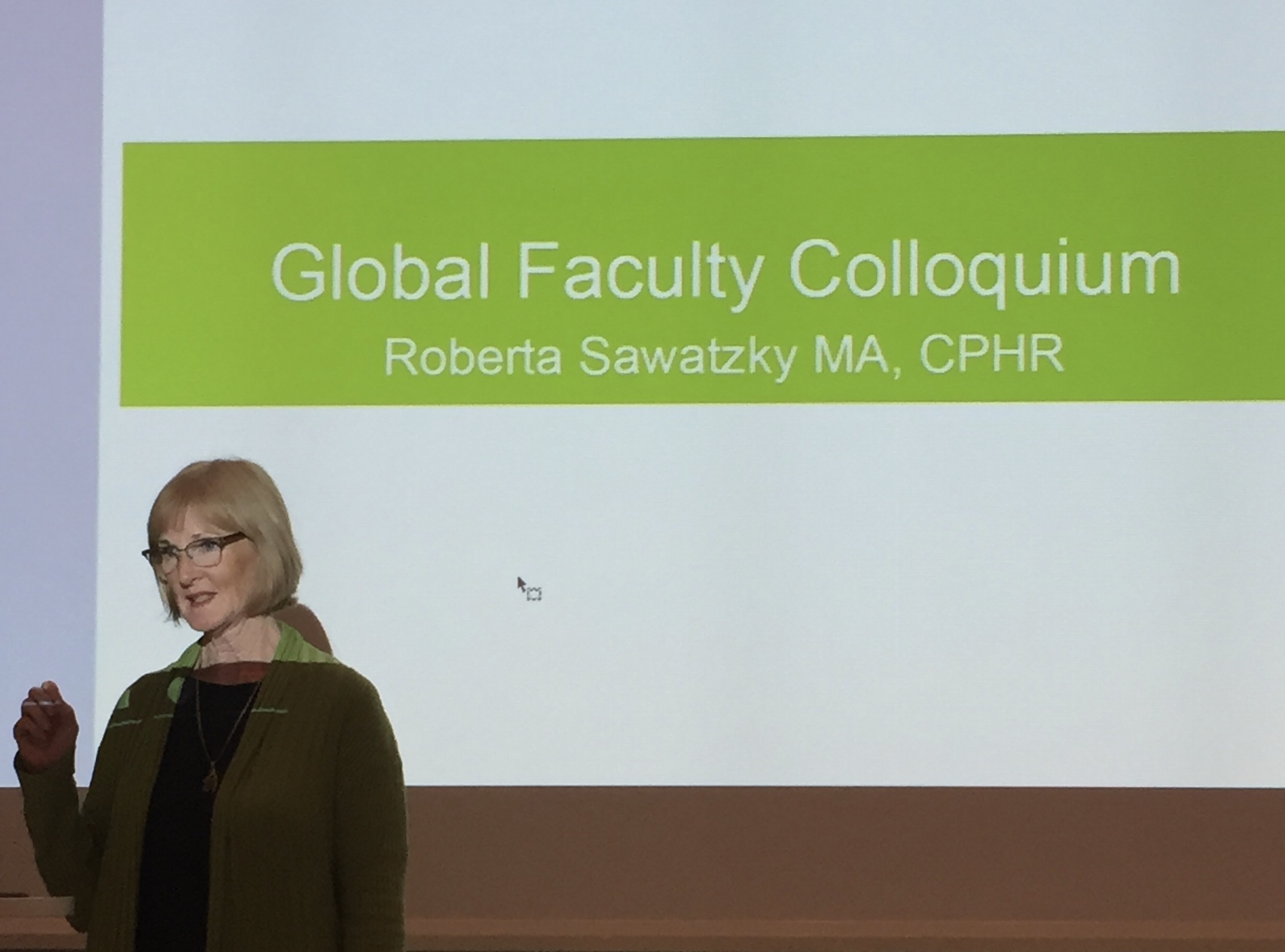
While in Finland I was honored to be part of a Global Faculty Colloquium held at JAMK University of Applied Sciences in Jyvascula; 18 individual from around the globe presented their practices related to applied research in the post secondary classroom. Inspiring, informative, and innovative ideas were shared, and each brought their unique culture and perspective to the conversation. However, the learning that left the strongest impression on me was the intentionality demonstrated by the Finnish people…our hosts. These people are hard workers, but take seriously their time to step back and enjoy the wonder of the country they are blessed to live in. Time and again, we heard guides and locals alike refer to ‘living room spaces’…spaces where people take time out of their work to simply sit, visit, get to know one another, and reflect on life. Time to be still, to think, to watch, to simply…be. I would suggest this is one of the two most important tools for a remote worker, the pre-cursor to innovative and creative thinking.

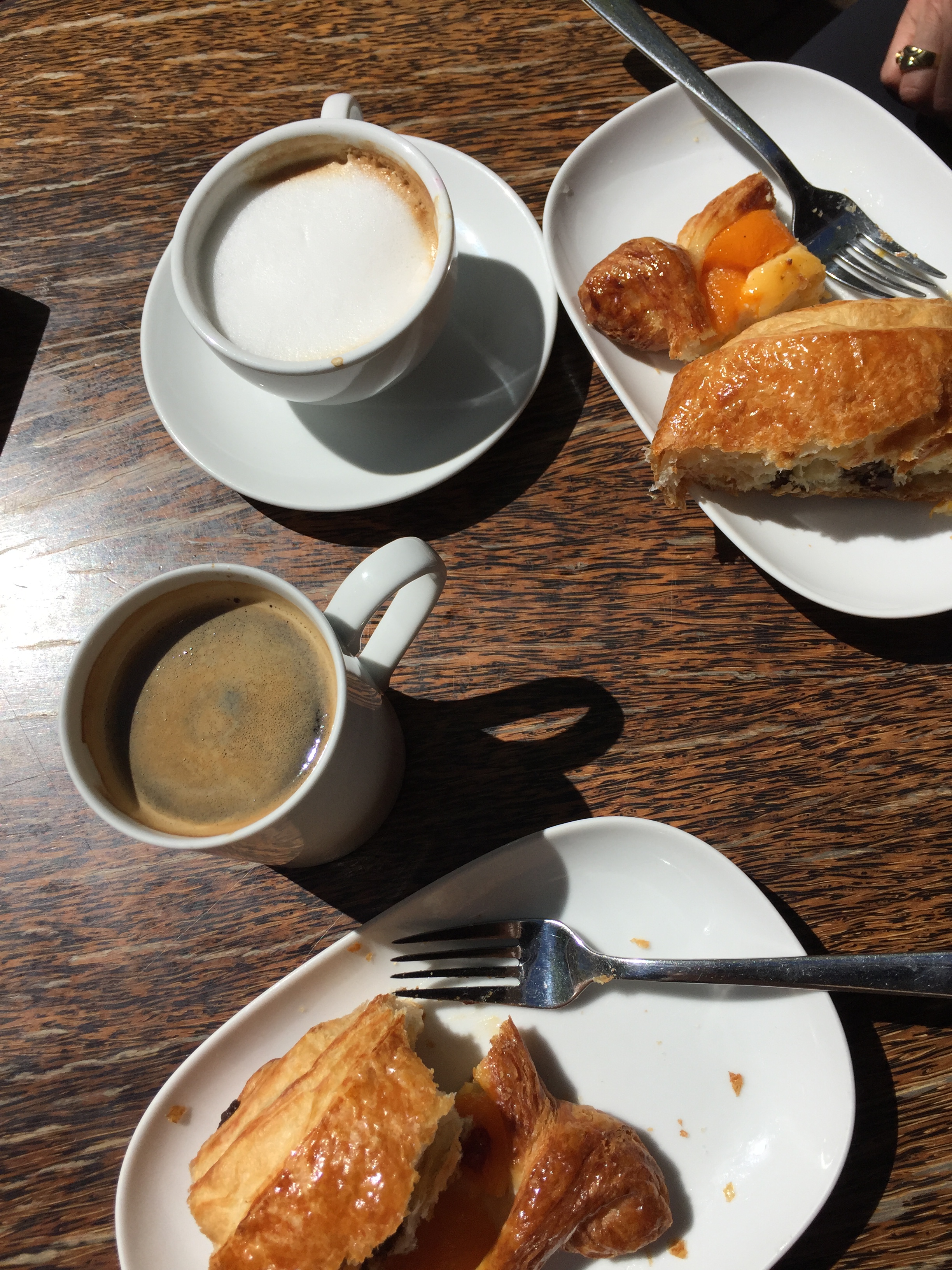
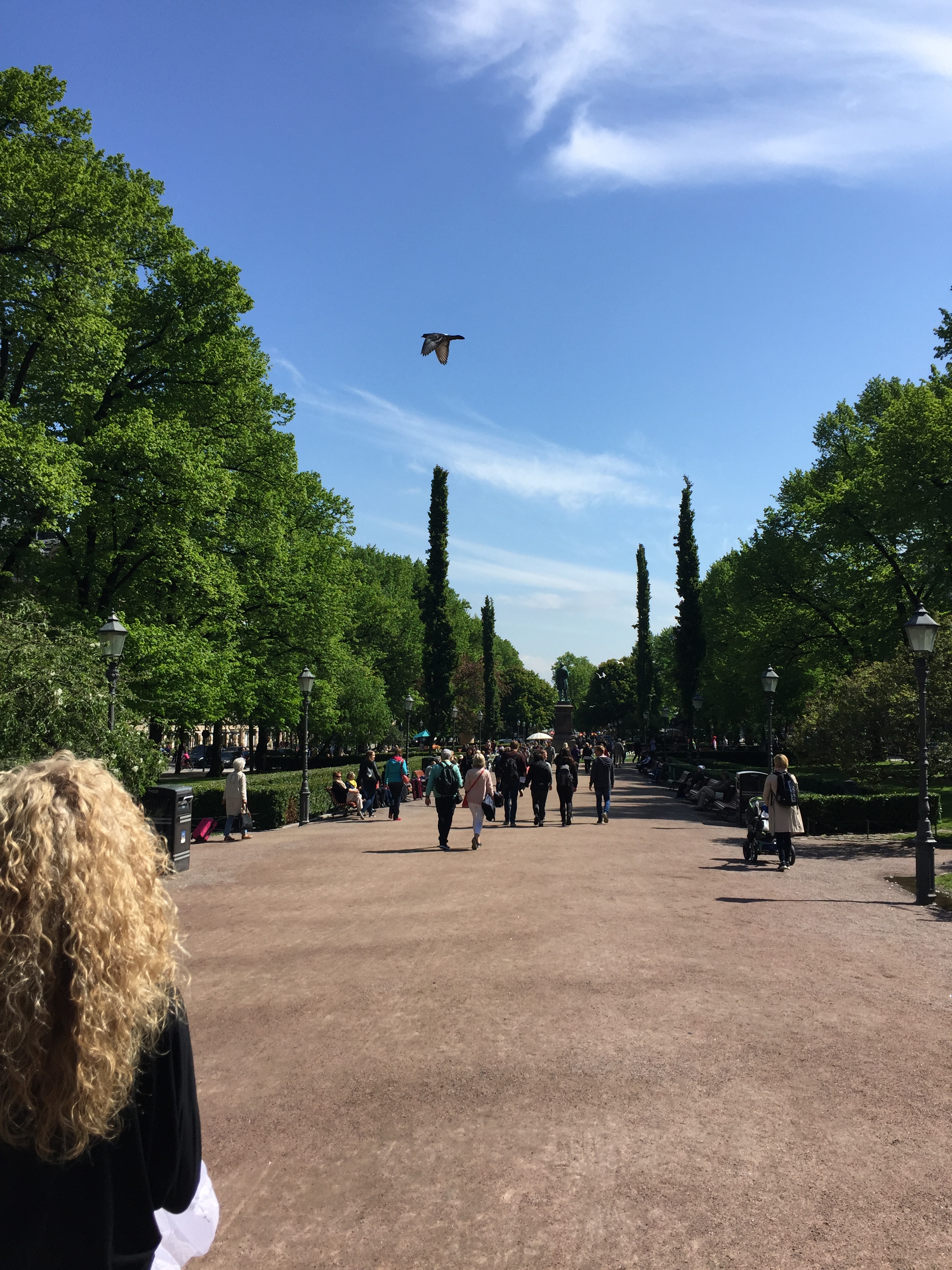
You may have intentional playtime all figured out, but for many this is a necessity that all to easily gets pushed aside. There is almost a panic that sets in if we are not doing something that contributes to existing contracts or to the pursuit of new business. While in Helsinki it was a treat to sit among the many people taking time out of their busyness to enjoy a pastry and coffee from one of the many sidewalk cafes, or simply sit on a bench along the city’s central linear park…intentionally taking advantage of the many ‘living room spaces’. But this is not a new concept…we are all keenly aware of the need for such ‘playtime’…aware, of , but perhaps not committed to .

I was also stuck by the intentionality of the Finns regarding building relationships in business. The value they place on taking time to create a foundation of trust before moving forward with business dealings is commendable; people first, business second. Continue reading “A remote worker’s most important tools.”

What does working remotely look like for me?

As I embark on this path of investigating the world of remote work and workers, I decided a good starting place was with my own experience: What does working remotely look like to me? What do I enjoy about it? What drives me crazy?

A point of clarification is called for here to ensure we have a shared understanding of terms. When I say ‘remote’ I am referring to individuals and/or teams who are not physically based in a designated office space to do their work…it could be full time, part time, seasonal…the options are many. Other important terms that I will refer to are distributed teams and digital workspaces. Checkout this article on What’s Your Company’s Definition of Remote Work?

Remote working looks different for everyone; however, as I share my experiences, you may find points of connection that perhaps will put expression to your realities.

Connecting with a client at Theirry in Vancouver, BC

Like many of you, I work in a few roles. The majority of my time is spent as a business professor, focusing on Human Resources and Management. The classroom provides a wonderful opportunity to be face to face with some incredible students…but we also have a learning management system that provides a platform for virtual communication and interactions. I also teach online courses, where the only interaction we have is virtual. This is one area of working remotely where my ‘office’ never seems to close.

I also do business coaching/consulting. This role offers opportunities to mset one on one with clients (face to face or virtually), developing training materials, or collaborating with others to provide services to various organizations.

So, I get to enjoy both …working in a specific office space at the college, and working remotely (home, coffee shop, Canada, Portugal, Ireland, Greece, Finland…the world’s the limit).

My ‘office’ for exam marking in Naxos, Greece

For me, the key is to fit the task or activity with the most appropriate working environment. One of my favourite experiences was being in Ireland working in a beautiful hotel cafe with my son – Guinness, coffee, and soda bread on the table. I was reviewing research papers submitted by my distance students while Nathan worked on material for one of his clients. We did take breaks from screen time to chat about what we were focusing on…remote working at it’s finest! Another experience had me Facetiming one of my advisors from a cave house in Santorini, to her location in Africa!

The thing I am passionate about is helping people realize their greatest potential in whatever career path they choose…whether they work in a physical office, work remotely, or a combination of both. No matter the context, it is important that both employer and employee have a clear understanding of each other’s strengths and needs in order to realize both individual and organizational potential…success on all counts. I truly believe that one contributor for individual and organizational success lies in opportunities for flexible work spaces, thus my curiosity around investigating this concept.

Next time I’ll get more specific about what I enjoy most about working remote, AND provide responses from others’ positive experiences. In the meantime, you might find this article interesting to muse over: Are Remote Workers Happier than Office Employees?